Bhupender Yadav marks 12 years of Nari Shakti push

Synopsis
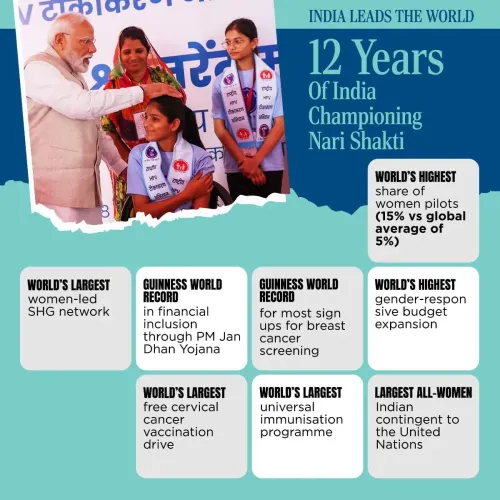
Union Environment Minister Bhupender Yadav marked twelve years of the BJP government's Nari Shakti initiative on June 12, 2026, declaring women's empowerment the defining identity of new India. The post anchors a milestone in a policy arc stretching from Beti Bachao Beti Padhao to the Women's Reservation Act.
Key Takeaways
Union Environment Minister Bhupender Yadav posted on X on June 12, 2026 to mark #12YearsOfNariShakti .
The post declares: 'Women's empowerment is the identity of the new India' — a core BJP governance slogan since 2014 .
The twelve-year arc includes flagship schemes such as Beti Bachao Beti Padhao (2015) and Pradhan Mantri Ujjwala Yojana (2016) .
The Nari Shakti Vandan Adhiniyam (Women's Reservation Act) remains pending full implementation, contingent on delimitation.
Women voters have been a decisive demographic in BJP electoral strategies across multiple election cycles since 2014 .
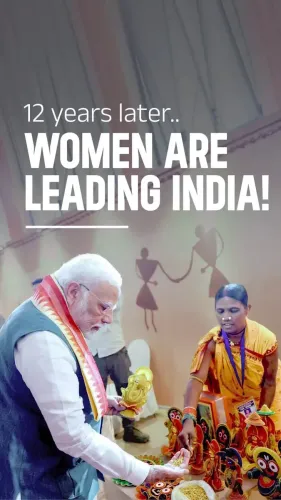
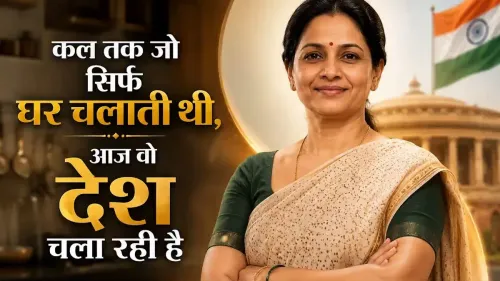
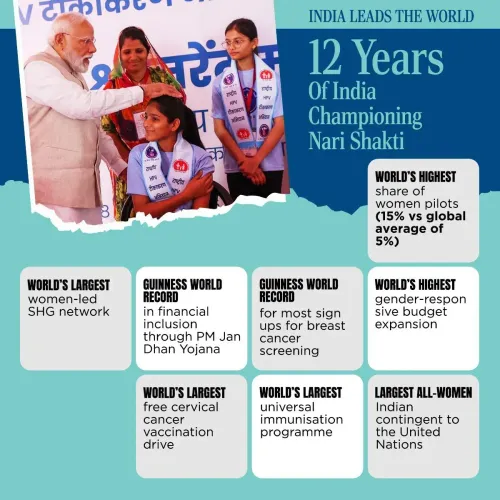
Union Environment Minister Bhupender Yadav on Friday, June 12, 2026, marked twelve years of the BJP-led government's Nari Shakti initiative, calling women's empowerment the defining identity of a new India. The minister posted on X under the hashtag #12YearsOfNariShakti, accompanied by a video.
Context
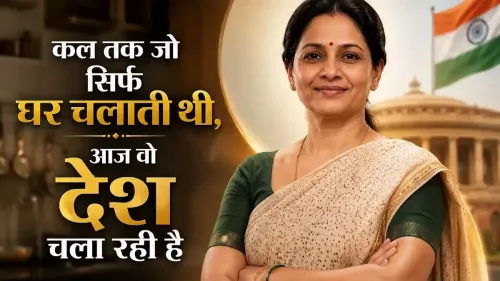
Yadav's post carries the Hindi declaration 'Nari Shakti hai naye Bharat ki pehchaan' — 'Women's empowerment is the identity of the new India.' The phrase is a frequently used formulation within the ruling Bharatiya Janata Party's communications framework around women-centric governance. The twelve-year milestone counts from 2014, when the Narendra Modi government first took office and began positioning women's welfare as a central pillar of its development narrative.
Policy Backdrop
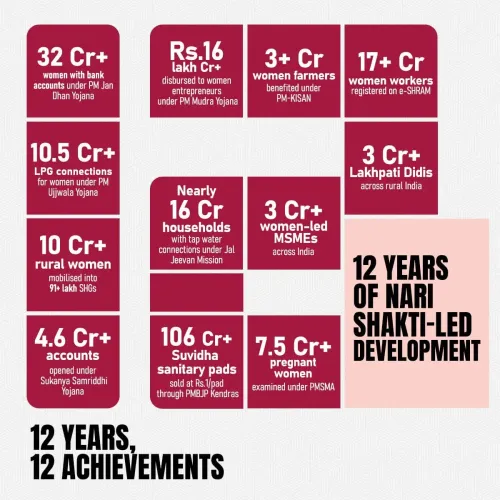
The Nari Shakti messaging has been backed by a series of flagship schemes over the past decade-plus. The Beti Bachao Beti Padhao scheme, launched in 2015, targeted districts with skewed child sex ratios and aimed to improve girls' access to education. The Pradhan Mantri Ujjwala Yojana, rolled out in 2016, extended LPG cooking-gas connections to women-headed households living below the poverty line, framing energy access as a women's dignity issue.
In the legislative domain, the Nari Shakti Vandan Adhiniyam — the Women's Reservation Act — was passed to reserve one-third of seats in the Lok Sabha and state assemblies for women, with implementation linked to the completion of delimitation. Taken together, these measures form the policy scaffolding behind the anniversary the minister is commemorating.
Stakeholders and Impact
The primary stakeholders are Indian women across rural and urban constituencies who have been the stated beneficiaries of these schemes. Women's rights advocates and opposition parties have, over the years, debated the pace and depth of implementation, particularly on the reservation law. The twelve-year mark arrives as the government faces questions about when delimitation — a precondition for activating the reservation — will be completed.
For the BJP, the Nari Shakti theme has also served as a significant electoral mobilisation tool, with women voters credited as a key demographic in successive general and state election victories since 2014.
What's Next
Attention will remain on the timeline for delimitation and the eventual operationalisation of women's legislative reservation. Upcoming Union Budget cycles are also being watched for new women-focused financial inclusion or skilling schemes that could add substance to the anniversary messaging. The government's ability to move from symbolic milestones to measurable outcomes on gender indices will shape how the Nari Shakti narrative is received in the years ahead.
Point of View
However, gives critics a ready counter-narrative. The anniversary thus sits at the intersection of genuine policy achievement and unfinished legislative business.
NationPress
22 Sept 2026
Frequently Asked Questions
What is Nari Shakti and why is 12 years being celebrated in 2026?
Nari Shakti refers to the BJP-led central government's overarching women's empowerment initiative. The 12-year milestone in 2026 counts from 2014, when Prime Minister Narendra Modi's government took office and made women's welfare a central governance theme.
What schemes are associated with the Nari Shakti initiative?
Key schemes include Beti Bachao Beti Padhao (2015), which targets girls' education and child sex ratios, and Pradhan Mantri Ujjwala Yojana (2016), which provided LPG connections to women-headed BPL households. The Nari Shakti Vandan Adhiniyam, reserving one-third of parliamentary seats for women, is also part of this policy arc.
What is the Nari Shakti Vandan Adhiniyam?
The Nari Shakti Vandan Adhiniyam, also called the Women's Reservation Act, reserves one-third of seats in the Lok Sabha and state assemblies for women. Its implementation is linked to the completion of delimitation, which has not yet occurred.
Who is Bhupender Yadav?
Bhupender Yadav is the Union Minister of Environment, Forest and Climate Change and a senior leader of the Bharatiya Janata Party. He has been a prominent face of BJP policy communication on social media.
What does 'Nari Shakti hai naye Bharat ki pehchaan' mean?
The Hindi phrase translates to 'Women's empowerment is the identity of the new India.' It is a frequently used formulation in BJP communications to frame women's welfare as central to the party's vision of a developed India.