Bhupender Yadav Reviews CAQM's PAVAN-I3C Air Quality Command Centre
Synopsis
Union Environment Minister Bhupender Yadav reviewed CAQM's PAVAN-I3C Integrated Command and Control Centre on October 30, 2026 — a system fusing 30+ data streams for real-time, predictive air quality management across Delhi-NCR ahead of the 2026-27 winter pollution season.
Key Takeaways
Bhupender Yadav visited CAQM's PAVAN-I3C Integrated Command and Control Centre on October 30, 2026 .
PAVAN-I3C integrates 30+ data streams for real-time air quality monitoring and compliance management across Delhi-NCR .
The system is designed to anticipate pollution events and respond in real-time, shifting from reactive emergency bans to predictive enforcement.
CAQM was constituted in 2021 under the CAQM Act with statutory authority over Delhi, Haryana, UP, Rajasthan, and Punjab for air quality control.
PAVAN-I3C builds on existing frameworks including the National Clean Air Programme (2019) and the Graded Response Action Plan (2017) .
The centre's real test comes during November–December 2026 , Delhi-NCR's most severe pollution months.
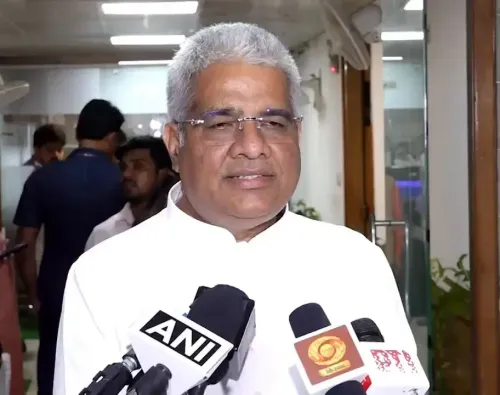
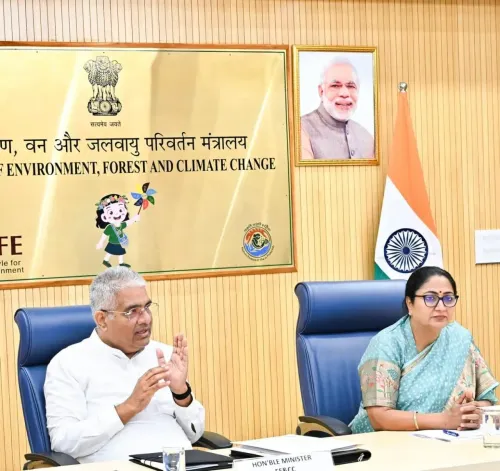
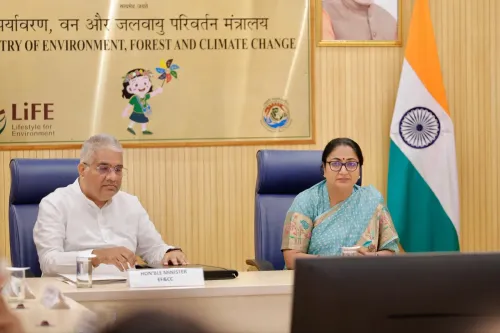
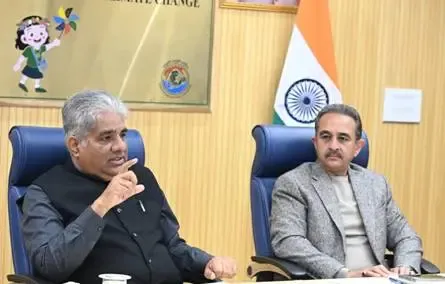
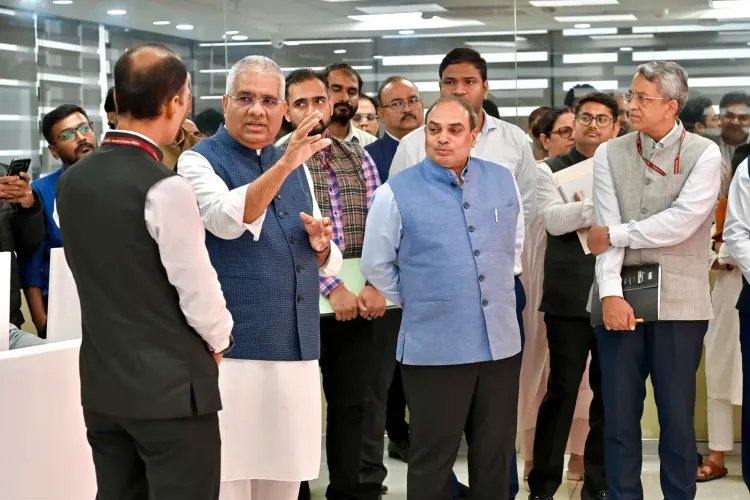
With winter's pollution season already gripping the National Capital Region, Union Environment Minister Bhupender Yadav on Friday, October 30, 2026, visited the Commission for Air Quality Management's (CAQM) newly operational PAVAN-I3C Integrated Command and Control Centre in Delhi-NCR to review real-time air pollution mitigation operations — signalling that this year's response will be driven by data, not just directives.
The minister described PAVAN-I3C as a system that 'integrates 30+ data streams for real-time monitoring and data-driven compliance management of air quality across Delhi-NCR,' adding that the initiative 'anticipates air pollution and acts in real-time' — a shift from reactive emergency measures to predictive, pre-emptive governance.
What PAVAN-I3C actually does — and why it matters now
The timing is deliberate. October and November mark the onset of Delhi-NCR's worst pollution months, when stubble burning in Punjab and Haryana, vehicular congestion, and industrial emissions converge into hazardous air. In past years, the response arrived after the crisis. PAVAN-I3C is designed to change that calculus.
By pulling in more than 30 data streams simultaneously — spanning meteorological feeds, satellite inputs, ground-level sensor networks, and compliance records — the centre gives CAQM operators a unified dashboard rather than a patchwork of siloed reports. The goal: spot a violation or a pollution surge before it compounds, and trigger enforcement before an emergency declaration becomes unavoidable.
CAQM's mandate and the policy chain behind this centre
The Commission for Air Quality Management was constituted in 2021 under the CAQM Act, replacing earlier ad-hoc bodies with a statutory authority that can issue binding directions to Delhi, Haryana, Uttar Pradesh, Rajasthan, and Punjab. It sits above state pollution control boards in the NCR hierarchy — a deliberate design choice to overcome inter-state coordination failures that had hobbled earlier efforts.
PAVAN-I3C builds on two prior frameworks: the National Clean Air Programme (NCAP), launched in 2019 with city-specific action plans to reduce particulate matter, and the Graded Response Action Plan (GRAP), in place since 2017, which triggers emergency restrictions in Delhi-NCR as pollution crosses predefined thresholds. Where GRAP kicks in after thresholds are breached, PAVAN-I3C is meant to act before they are.
A broader shift: from episodic bans to always-on enforcement
India's air quality governance has historically lurched between indifference and emergency — calm in summer, crisis mode in winter. CAQM's command centre represents a structural break from that pattern: a permanent, centralised nerve centre with the tools to enforce compliance year-round, not just when AQI readings go viral.
For Delhi-NCR's roughly 30 million residents — who have endured some of the world's worst urban air for years — the real test of PAVAN-I3C will not be a minister's visit but its enforcement record when pollution peaks in November and December 2026. Watch for CAQM directives, industry notices, and GRAP escalations in the weeks ahead: those will tell you whether the command centre commands.
Point of View
Court-prodded responses toward institutionalised, technology-driven enforcement. CAQM's statutory authority over multiple states was always its key differentiator from earlier bodies; a centralised command-and-control system operationalises that authority in real time. The political calculus is also evident: with winter smog having become a perennial reputational liability for the BJP-led Centre, embedding accountability in a data-logged system insulates the government from 'no action taken' criticism. Whether PAVAN-I3C translates ministerial optics into actual emission reductions will depend on enforcement follow-through — the one variable no command centre can automate.
NationPress
30 Oct 2026
Frequently Asked Questions
What is CAQM's PAVAN-I3C centre?
PAVAN-I3C is the Commission for Air Quality Management's Integrated Command and Control Centre that consolidates 30+ data streams — including sensor networks, satellite feeds, and compliance records — to monitor and manage air quality across Delhi-NCR in real time.
What is CAQM and why was it set up?
The Commission for Air Quality Management was established in 2021 under the CAQM Act to provide a single statutory authority for coordinating air pollution control across Delhi, Haryana, Uttar Pradesh, Rajasthan, and Punjab, replacing earlier ad-hoc enforcement bodies.
How is PAVAN-I3C different from the Graded Response Action Plan (GRAP)?
GRAP triggers emergency restrictions after air quality crosses predefined thresholds; PAVAN-I3C is designed to anticipate pollution build-up using real-time data and act before thresholds are breached, shifting from reactive to predictive compliance.
What is the National Clean Air Programme?
The National Clean Air Programme was launched in 2019 with city-specific action plans aimed at reducing particulate matter concentrations across Indian cities, forming part of the broader policy architecture that PAVAN-I3C now sits within.
Why does Delhi-NCR face severe air pollution every winter?
Delhi-NCR's winter pollution spikes result from a convergence of stubble burning in Punjab and Haryana, increased vehicular emissions, industrial activity, and cold weather that traps pollutants close to the ground — making October to January the most hazardous months for the region's roughly 30 million residents.