CM Yogi Hails Ayodhya as Smart City and Solar City at Deepotsav 2026
Synopsis
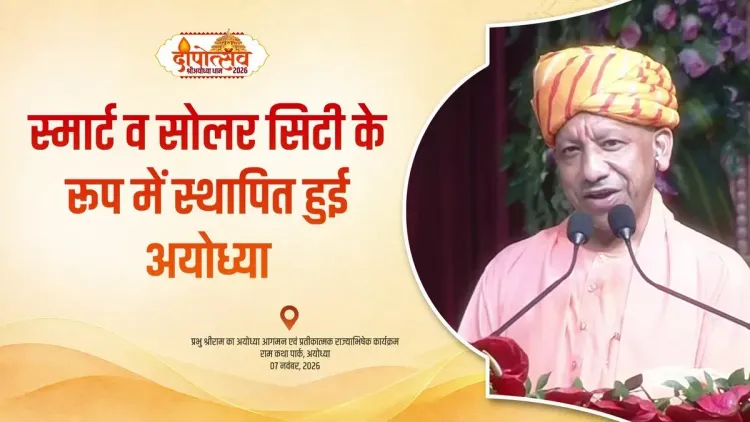
At Deepotsav 2026's tenth edition, CM Yogi Adityanath declared Ayodhya a Smart City and Solar City, spotlighting four grand corridors — Dharm Path, Bhakti Path, Shri Ram Path, and Janmabhoomi Path — as symbols of the city's modern urban transformation.
Key Takeaways
CM Yogi Adityanath at Deepotsav 2026 declared Ayodhya established as both a Smart City and a Solar City .
Four corridors — Dharm Path, Bhakti Path, Shri Ram Path , and Janmabhoomi Path — are being cited as global tourism draws.
Ayodhya was included in the Central government's Smart Cities Mission launched in 2015 .
Deepotsav 2026 marks the tenth edition of the annual lamp-lighting festival, hashtagged #deepotsav1dasak .
The UP government has paired religious tourism with smart-city and renewable-energy infrastructure across Ayodhya.
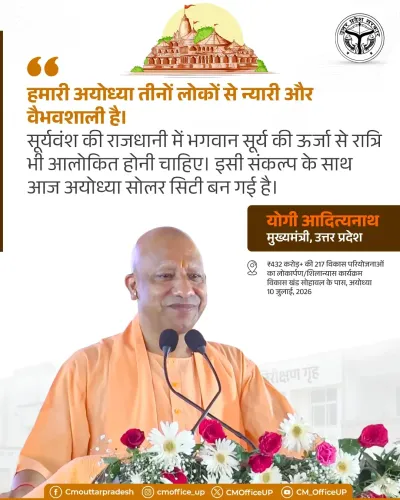
Ayodhya is no longer just a pilgrimage destination — it is now being positioned as a model of modern urban India. At Deepotsav 2026, Chief Minister Yogi Adityanath declared that Ayodhya has established itself as both a Smart City and a Solar City, with grand corridors already drawing visitors from across the country and the world.
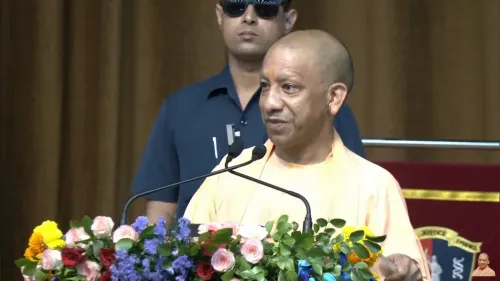
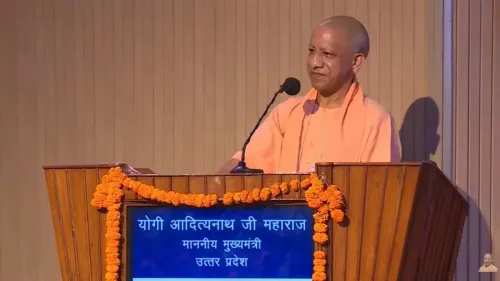
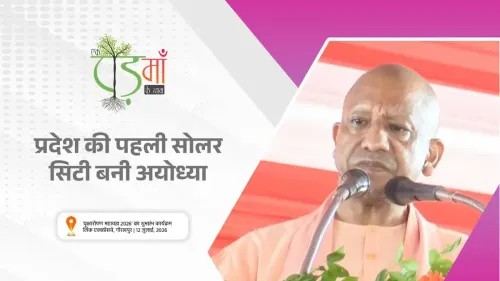
Addressing the tenth edition of the festival on Saturday, 7 November 2026, CM Yogi said — 'Aaj Ayodhya desh ki Smart City ke saath-saath Solar City ke roop mein khud ko sthapit kar chuki hai' — 'Today, Ayodhya has established itself not just as a Smart City of the country, but as a Solar City as well.' He pointed to four landmark thoroughfares — Dharm Path, Bhakti Path, Shri Ram Path, and Janmabhoomi Path — as the spine of this transformation, drawing pilgrims and tourists from across the globe.
Four Corridors at the Heart of a Reinvented Ayodhya
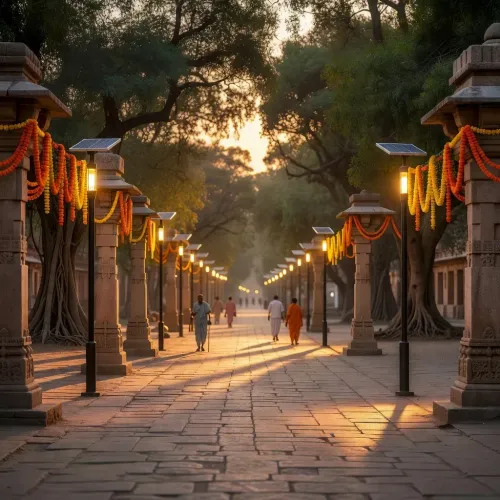
The named pathways are not merely roads — they are the centrepiece of a sweeping beautification and connectivity drive that the Uttar Pradesh government has pursued alongside Ayodhya's religious resurgence. Dharm Path and Shri Ram Path have been widened and lined with heritage-themed streetscaping, while Bhakti Path and Janmabhoomi Path provide pilgrims direct, well-lit access to the Ram Janmabhoomi complex. The corridors now function as open-air gateways that frame the city's identity for first-time visitors arriving from every direction.
Smart City Mission Roots and Ayodhya's Renewable Push
Ayodhya's inclusion in the Central government's Smart Cities Mission — launched in 2015 — gave the city's redevelopment a formal policy framework, funding integrated technology infrastructure alongside urban design. The solar-city claim reflects the state government's parallel push to layer renewable-energy installations onto pilgrimage infrastructure, a pattern also visible at other Uttar Pradesh religious destinations. Together, the two tracks — digital-smart and solar-green — are designed to present Ayodhya as a 21st-century pilgrimage hub, not a heritage site frozen in time.
Deepotsav's Tenth Year and the Scale of Ambition
Deepotsav — the mass lamp-lighting festival held on the eve of Diwali — has grown from a state ceremony into one of India's most-watched annual spectacles under CM Yogi Adityanath, who has led the government since 2017. The 2026 edition, hashtagged #deepotsav1dasak (marking a decade), signals a milestone moment for the administration. Infrastructure and aesthetics — the corridors, the solar installations, the smart-city grid — are being deliberately showcased alongside the festivities as proof of a vision delivered.
Ayodhya's transformation is a live stress-test of whether India can marry mass religious tourism with 21st-century urban planning. So far, the corridors are lit. The question now is whether the solar grid holds — and how many more pilgrims the city can absorb.
Point of View
Turning a religious festival into a development showcase. The dual Smart City–Solar City branding aligns with the BJP's broader governance narrative of linking Hindu cultural nationalism with modernisation. Showcasing named corridors and renewable energy at a mass public event allows the state government to claim both emotional and technocratic credibility simultaneously. The tenth-anniversary milestone of Deepotsav gives the administration a natural platform to consolidate nine years of infrastructure messaging into a single, high-visibility declaration.
NationPress
7 Nov 2026
Frequently Asked Questions
Why is Ayodhya called a Solar City?
CM Yogi Adityanath declared Ayodhya a Solar City at Deepotsav 2026, referring to the Uttar Pradesh government's push to install renewable-energy infrastructure alongside the city's urban redevelopment. The exact scale and status of solar installations have not been independently verified.
What is Deepotsav and when did it start?
Deepotsav is a mass lamp-lighting festival held in Ayodhya on the eve of Diwali, launched under CM Yogi Adityanath's government. The 2026 edition marked the tenth year of the event, celebrated under the hashtag #deepotsav1dasak.
What are Dharm Path, Bhakti Path, Shri Ram Path, and Janmabhoomi Path in Ayodhya?
These are four grand urban corridors developed in Ayodhya as part of its beautification and connectivity drive. They provide pilgrims and tourists structured, heritage-themed access routes through the city and to the Ram Janmabhoomi complex.
Is Ayodhya part of the Smart Cities Mission?
Yes. Ayodhya was included in the Central government's Smart Cities Mission, launched in 2015, which funds integrated urban technology and sustainability upgrades across selected Indian cities.
What has Yogi Adityanath said about Ayodhya's development?
At Deepotsav 2026, CM Yogi stated that Ayodhya has established itself as both a Smart City and a Solar City, and that its grand corridors are attracting visitors from across India and the world.