CM Yogi Questions Congress Rally on 1984 Anti-Sikh Riot Anniversary
Synopsis
UP Chief Minister Yogi Adityanath questioned Congress for holding its Election Commission protest on 1 November — the anniversary of the 1984 anti-Sikh massacre — calling it insensitive and accusing the party of celebrating at Ramlila Maidan instead of mourning.
Key Takeaways
CM Yogi Adityanath posted on X on 5 November 2026 questioning the timing of a Congress protest against the Election Commission.
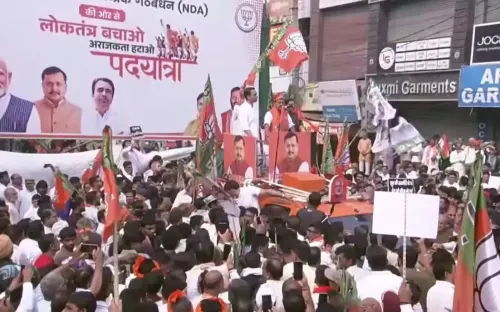
Congress allegedly held the demonstration at Ramlila Maidan, Delhi on 1 November — the anniversary of the start of the 1984 anti-Sikh riots .
The anti-Sikh violence began on 1 November 1984 , the day after the assassination of PM Indira Gandhi , and resulted in the killing of thousands of Sikhs.
Yogi accused Congress of choosing celebration over solidarity with the Sikh community on that date.
BJP leaders have a consistent pattern of invoking the 1984 riots to challenge Congress's moral and political record.
Responses from Congress and Sikh organisations are expected to shape this debate further in the election cycle.
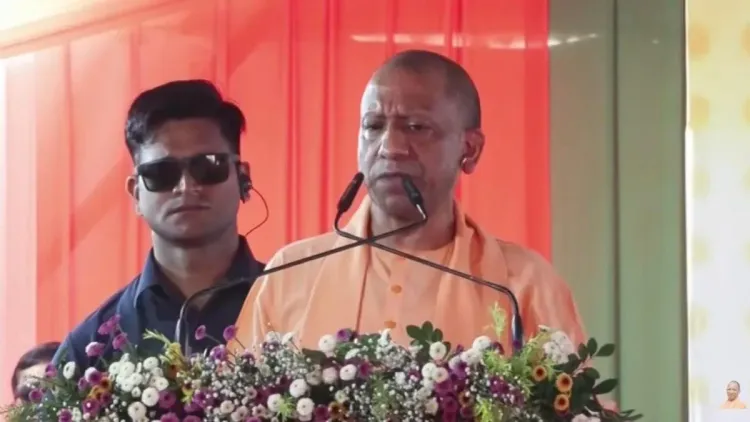
A date that marks one of independent India's darkest chapters — the mass killing of Sikhs beginning 1 November 1984 — has been thrust back into political debate. Uttar Pradesh Chief Minister Yogi Adityanath on Thursday, 5 November 2026, sharply questioned why the Indian National Congress chose 1 November to hold its demonstration against the Election Commission of India at Ramlila Maidan, Delhi — the very anniversary of the anti-Sikh violence that left thousands dead.
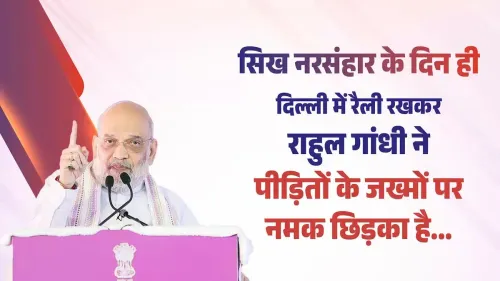
Posting on X, CM Yogi asked: 'Kangrass ne Election Commission ke khilaf Delhi mein jo pradarshan kiya tha, woh pradarshan 1 November ko kyun kiya tha?' — 'Why did Congress hold its demonstration against the Election Commission in Delhi on 1 November?' He then supplied his own answer: 'This is the very day the massacre of Sikhs took place. Instead of expressing solidarity with Sikh brothers, Congress was celebrating at Ramlila Maidan that day.'
The Weight of 1 November 1984
The date carries immense historical gravity. Following the assassination of Prime Minister Indira Gandhi on 31 October 1984, organised anti-Sikh violence erupted across Delhi and several other Indian cities starting 1 November 1984. The riots lasted several days and resulted in the killing of thousands of Sikhs, leaving deep and lasting wounds in the community's collective memory. Congress was the ruling party at the centre at the time, and successive governments and courts have grappled with questions of accountability ever since.
BJP's Recurring Invocation of 1984 Against Congress
CM Yogi's post is the latest episode in a well-established political pattern: BJP leaders routinely invoke the 1984 riots to challenge Congress's moral standing, particularly when the opposition stages protests or makes electoral moves. By linking the timing of a protest against the constitutional poll body to the massacre anniversary, Yogi makes a pointed two-layered argument — that Congress is both insensitive to Sikh grief and opportunistic in its use of a date that should demand solemnity.
The choice of Ramlila Maidan — Delhi's most iconic rally ground — only sharpens the optics of the contrast he draws. What to watch now: whether Congress responds directly to the timing allegation, and how Sikh organisations and community leaders react as this exchange enters the broader electoral conversation ahead of forthcoming state campaigns.
Forty-two years on, the wounds of November 1984 retain enough political charge to detonate at a moment's notice — and CM Yogi has just pulled the pin.
Point of View
Yogi conflates institutional grievance with communal insensitivity — a potent combination for Sikh voters. The move signals that as elections near, the 1984 wound will remain a live weapon in inter-party warfare, not a settled chapter of history.
NationPress
5 Nov 2026
Frequently Asked Questions
What did CM Yogi Adityanath say about the Congress protest against the Election Commission?
CM Yogi questioned why Congress chose 1 November — the anniversary of the 1984 anti-Sikh riots — to hold its protest against the Election Commission at Ramlila Maidan, calling it insensitive and accusing the party of celebrating instead of mourning.
What happened on 1 November 1984 in India?
On 1 November 1984, large-scale anti-Sikh violence erupted across Delhi and other Indian cities following the assassination of Prime Minister Indira Gandhi the previous day, resulting in the killing of thousands of Sikhs in what are known as the 1984 anti-Sikh riots.
Why do BJP leaders often bring up the 1984 anti-Sikh riots?
BJP leaders invoke the 1984 riots to challenge the Indian National Congress's historical record, since Congress was the ruling party at the centre when the violence occurred and questions of accountability have never been fully resolved.
Where did Congress hold its protest against the Election Commission?
According to CM Yogi's post, the Congress demonstration against the Election Commission was held at Ramlila Maidan in Delhi on 1 November.
What is the significance of Ramlila Maidan in Indian politics?
Ramlila Maidan is a historic public ground in Delhi that has been the venue for many major political gatherings, protests, and mass meetings, making it one of the most symbolically loaded rally venues in the country.