NHAI-NCAER MoU: India's first transport economics research centre launched
Synopsis
India is getting its first permanent, independent research centre dedicated to transportation economics — a structural gap that has long hampered evidence-based highway policymaking. Backed by NHAI for 10 years and housed at NCAER, the new centre will cover everything from toll policy to asset monetisation, with the potential to reshape how India plans and funds its National Highway network.
Key Takeaways
NHAI and NCAER signed an MoU on 24 June to establish India's first dedicated transportation economics research centre.
The NHAI Centre for Economics of Transportation, Mobility and Logistics will be housed at NCAER with a founding contribution from NHAI.
NHAI will fund and support the centre's operations for 10 years .
Research will cover National Highway economics, freight logistics, toll policy, asset monetisation, road safety, and technology adoption.
An Advisory Committee of economists and policy experts and a separate Steering Committee constituted by NHAI will govern the centre.
Findings will directly inform the Ministry of Road Transport and Highways and other government agencies on policy and investment decisions.
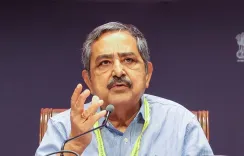
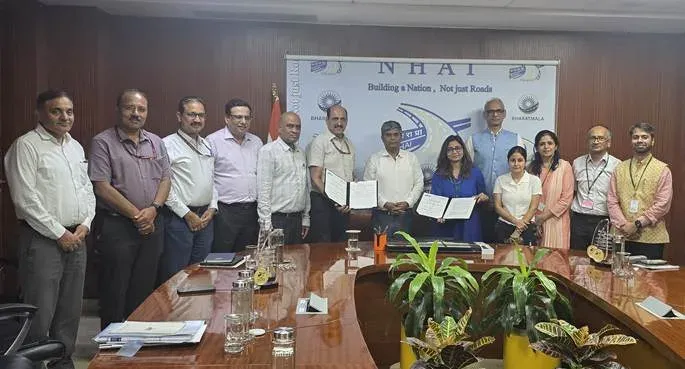
The National Highways Authority of India (NHAI) has signed a Memorandum of Understanding (MoU) with the National Council of Applied Economic Research (NCAER) to establish India's first permanent, independent research centre dedicated to the economics of transportation, mobility, and logistics. The agreement was formalised on 24 June at the NHAI headquarters, New Delhi, in the presence of NHAI Chairman Santosh Kumar Yadav and senior officials from both organisations.
What the Centre Will Do
The proposed NHAI Centre for Economics of Transportation, Mobility and Logistics will be housed at NCAER, with a founding contribution from NHAI. The centre's mandate spans applied economic research across National Highway economics, freight logistics, modal integration, toll policy, asset monetisation, road safety interventions, and technology adoption in highway operations and maintenance.
Beyond primary research, the institution will function as a knowledge hub — publishing policy briefs, working papers, and flagship reports, while organising stakeholder consultations, workshops, and academic engagements. An Advisory Committee comprising economists, transportation specialists, public policy experts, and academicians will guide its research agenda. A separate Steering Committee constituted by NHAI will oversee research priorities and ensure alignment with policy and operational requirements.
What NHAI Chairman Said
NHAI Chairman Santosh Kumar Yadav said the authority has been at the forefront of improving national connectivity and logistics efficiency, and that the partnership with NCAER would help strengthen planning, investment, and asset management decisions in the transportation sector. NHAI will support the centre's establishment and operations for a period of 10 years.
Policy and Planning Impact
According to the Ministry of Road Transport and Highways, the centre will serve as a dedicated platform for generating insights to support long-term planning, investment decisions, and policy formulation. Research findings are expected to assist the Ministry, NHAI, and other government agencies in designing programmes aimed at improving efficiency, sustainability, and user experience across India's transportation ecosystem.
This comes amid India's rapid expansion of its National Highway network, which has seen record construction targets and significant private investment through models such as the Hybrid Annuity Model (HAM) and toll-operate-transfer (TOT) concessions. The absence of a dedicated, independent research body has long been cited as a gap in evidence-based policymaking for the sector.
Significance and What Comes Next
The initiative marks a structural shift toward research-driven decision-making in a sector that accounts for a substantial share of India's infrastructure spending. With the centre expected to cover regional economic impacts of highway investments and asset monetisation — two of the most contested areas in road policy — its outputs could directly shape the next generation of National Highway planning frameworks. The research centre's first publications and stakeholder engagements are anticipated in the coming months as the institution takes shape at NCAER.
Point of View
Yet the policy frameworks governing toll structures, asset monetisation, and regional economic impact have largely been shaped without a dedicated, independent research institution. The NHAI-NCAER centre addresses a real institutional gap — but its credibility will depend on genuine independence. With NHAI both funding and constituting the Steering Committee, the risk of research priorities being steered toward conclusions that suit the funder is real. The Advisory Committee's composition and whether its working papers are published without clearance filters will be the true test of whether this is a think tank or a public relations exercise.
NationPress
23 Jun 2026
Frequently Asked Questions
What is the NHAI Centre for Economics of Transportation, Mobility and Logistics?
It is India's first permanent, independent research centre dedicated to transportation, mobility, and logistics economics, established through an MoU between NHAI and NCAER signed on 24 June. The centre will be housed at NCAER with founding support from NHAI and will conduct applied policy research to inform National Highway planning and investment decisions.
Why is this research centre significant for India?
India has lacked a dedicated institution for evidence-based research on transportation economics, despite rapid expansion of its National Highway network. The centre is expected to fill that gap by generating insights on toll policy, freight logistics, asset monetisation, and regional economic impacts of highway investments.
How long will NHAI fund the new research centre?
NHAI will support the establishment and operation of the centre for a period of 10 years, providing the founding contribution required to set it up at NCAER.
What topics will the centre research?
The centre's research agenda includes National Highway economics, freight logistics, modal integration, regional economic impacts of highway investments, toll policy, asset monetisation, road safety interventions, and technology adoption in highway operations and maintenance.
Who will oversee the centre's work?
An Advisory Committee comprising economists, transportation specialists, public policy experts, and academicians will guide the research agenda. A separate Steering Committee constituted by NHAI will oversee research priorities and ensure alignment with policy and operational requirements.