Elsa Reichmanis defends global science ties after China honour
Synopsis
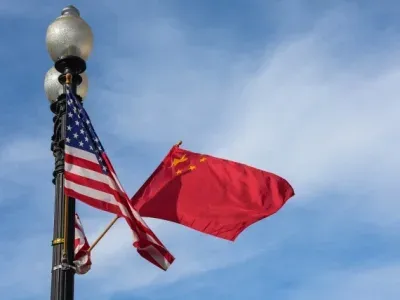
American semiconductor pioneer Elsa Reichmanis, whose photoresist chemistry made modern chip manufacturing possible, publicly defended US-China scientific collaboration after receiving China's top foreign expert honour at the Great Hall of the People on July 8 — a striking statement amid escalating tech-war tensions.
Key Takeaways
Elsa Reichmanis , 72 , a professor at Lehigh University , received the China International Science and Technology Cooperation Award on July 8, 2026 at the Great Hall of the People in Beijing .
She is one of nine recipients drawn from eight countries , including the US , France , Germany , and Australia .
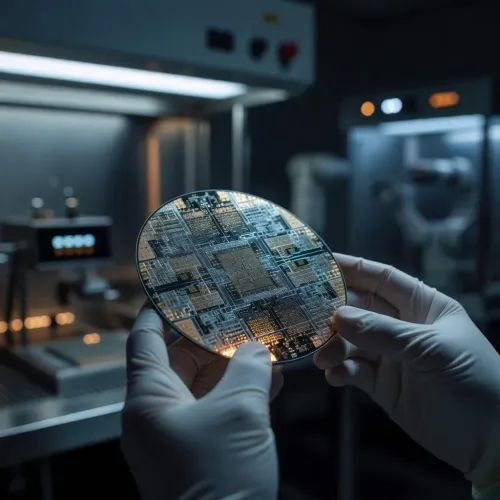
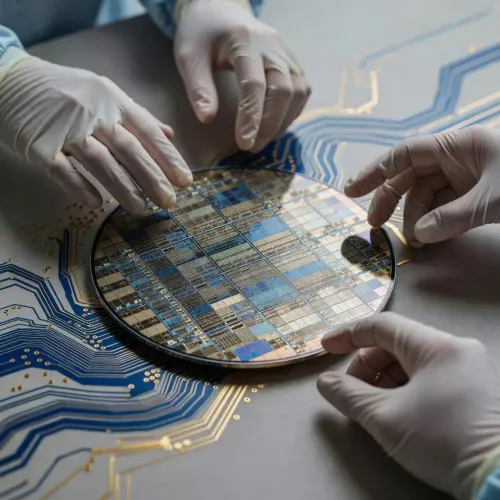
Reichmanis pioneered chemically amplified photoresists, enabling the commercial production of chips with tens of millions of transistors on a single silicon wafer.
The China International Science and Technology Cooperation Award was established by the State Council in 1994 to recognise foreign scientists who advance China 's scientific capabilities.
Her public defence of cross-border scientific exchange comes as US lawmakers intensify scrutiny of academic ties with China in sensitive technology sectors.
Elsa Reichmanis, the American materials scientist whose work on chemically amplified photoresists helped enable modern semiconductor manufacturing, has called for scientific collaboration to rise above geopolitical rivalry — days after receiving one of China's most prestigious awards for foreign researchers. The 72-year-old Lehigh University professor described science as 'a universal language' that benefits all of society.
The Award and Its Significance
Reichmanis was among nine recipients of the China International Science and Technology Cooperation Award, presented on July 8 at the Great Hall of the People in Beijing. Established by the State Council — China's cabinet — in 1994, the award honours foreign scientists who collaborate with Chinese partners on significant achievements, introduce advanced technologies, cultivate domestic talent, and promote international scientific exchange.
Recipients at this year's ceremony came from eight countries: the US, France, Germany, the Netherlands, Russia, Australia, Belgium, and Portugal, representing disciplines spanning marine engineering, artificial intelligence, photovoltaics, and oncology.
Why It Matters: Semiconductors at the Centre
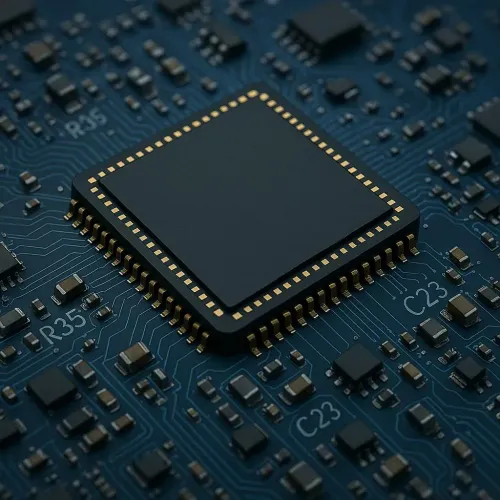
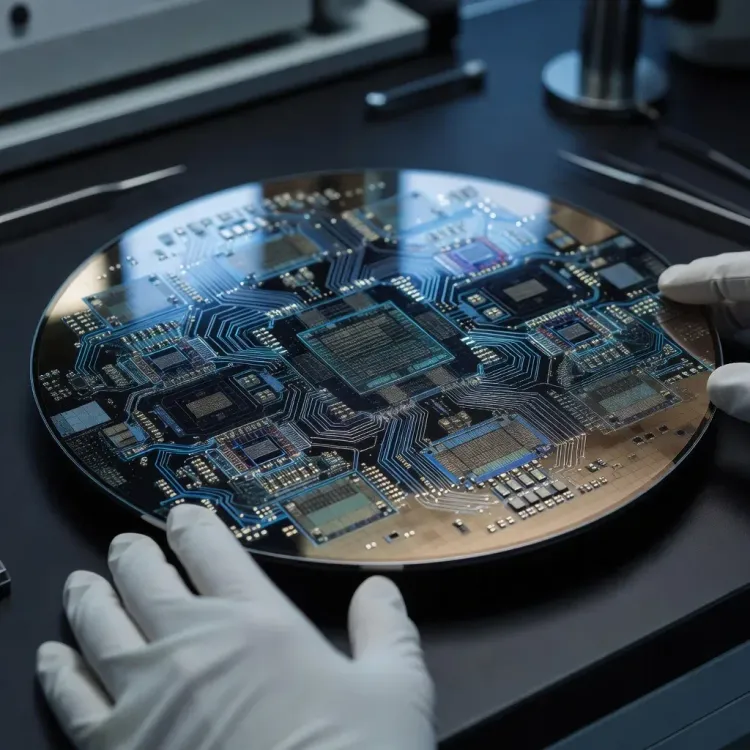
Reichmanis is best known for pioneering chemically amplified photoresists — light-sensitive materials used to etch microscopic circuits onto silicon wafers. Her chemistry made it commercially viable to pack tens of millions of transistors, or more, onto a single silicon chip, laying the groundwork for the nanoscale semiconductor industry that underpins everything from smartphones to AI data centres.
The recognition arrives at a sensitive moment: US–China tensions over semiconductor technology and export controls have intensified scrutiny of scientific exchanges between the two nations, making her public defence of cross-border collaboration particularly pointed.
Reichmanis on Collaboration
'I was shocked,' Reichmanis said, reacting to the honour. As a professor in Lehigh University's Department of Chemical and Biomolecular Engineering and director of its Institute for Functional Materials and Devices, she has maintained research ties with Chinese institutions over the course of a career that previously included a long tenure at AT&T Bell Laboratories.
Her position — that scientific exchange should transcend national rivalry — reflects a view increasingly contested in policy circles in Washington, where lawmakers have moved to restrict academic and research links with China in sensitive technology domains.
The Competitive Backdrop
China's government has systematically cultivated foreign scientific talent through awards, fellowships, and joint research programmes as part of its drive to close technological gaps with the West. The China International Science and Technology Cooperation Award's breadth — spanning AI, clean energy, and advanced materials — signals that Beijing continues to prioritise international expertise even as export controls tighten around it.
What's Next
The episode is likely to fuel ongoing debate in the US over where to draw the line between legitimate scientific exchange and technology transfer that could benefit China's strategic industries. Policymakers, university administrators, and researchers will be watching how the US National Science Foundation and other funding bodies respond to high-profile cases of American scientists receiving Chinese state honours.
Point of View
Designed to legitimise continued knowledge flows at a moment when Washington is trying to sever them. Reichmanis's willingness to accept and publicly defend the award puts US universities in an uncomfortable position: her career contributions are unimpeachable, yet the optics hand critics of academic exchange programmes a concrete case to exploit. The deeper tension — whether foundational science can remain truly open while applied technology becomes a controlled geopolitical asset — is the fault line that no export-control regime has yet resolved.
NationPress
14 Sept 2026
Frequently Asked Questions
Who is Elsa Reichmanis and why did China honour her?
Elsa Reichmanis is an American materials scientist and professor at Lehigh University best known for developing chemically amplified photoresists, the light-sensitive materials that made it commercially viable to etch nanoscale circuits onto silicon chips. She received the China International Science and Technology Cooperation Award in recognition of her contributions to scientific exchanges and collaboration with Chinese researchers.
What is the China International Science and Technology Cooperation Award?
The China International Science and Technology Cooperation Award is one of China's highest honours for foreign experts, established by the State Council in 1994. It recognises foreign scientists who collaborate with Chinese partners on significant achievements, introduce advanced technologies, cultivate domestic talent, and promote international scientific exchange.
Why is this award significant given US-China tech tensions?
The award is significant because it recognises an American scientist whose foundational semiconductor chemistry is directly relevant to the chip technologies at the centre of US-China export-control disputes. Her public defence of cross-border scientific collaboration comes as US lawmakers are actively scrutinising and restricting academic ties with China in sensitive technology domains.
What did Elsa Reichmanis say about scientific collaboration?
Reichmanis described science as 'a universal language' that benefits all of society, and said scientific collaboration should transcend national rivalry. She also said she was 'shocked' to receive the honour.
Who else received the 2026 China International Science and Technology Cooperation Award?
A total of nine scientists received the award in early July 2026, drawn from eight countries: the US, France, Germany, the Netherlands, Russia, Australia, Belgium, and Portugal. Their fields spanned marine engineering, artificial intelligence, photovoltaics, and oncology, among others.