Tokyo anti-Takaichi rally: 13,000 protest Constitution revision and military expansion
Synopsis
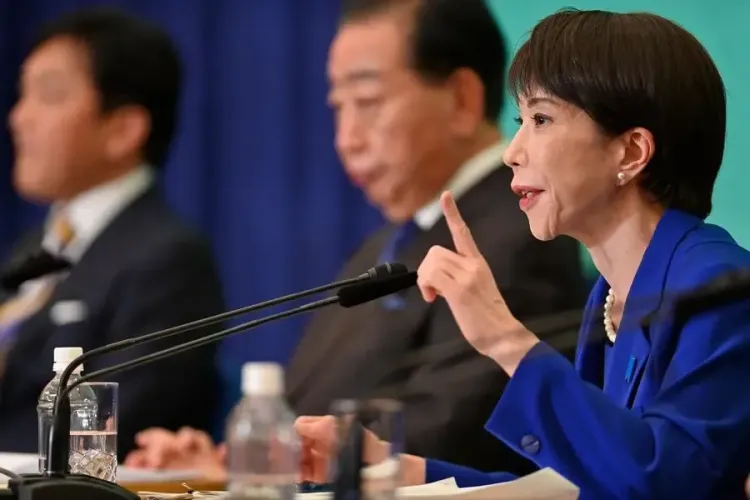
More than 13,000 people surrounded Japan's National Diet in Tokyo to push back against PM Takaichi's most consequential policy gamble — revising the pacifist Constitution and potentially carving exceptions into the Three Non-Nuclear Principles. With revised security documents due in December, Japan's postwar identity is on the line.
Key Takeaways
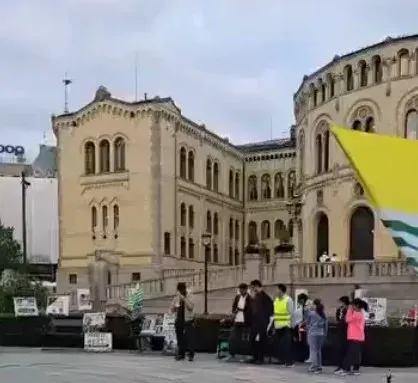
More than 13,000 people rallied outside Japan's National Diet building in Tokyo on 20 November 2026 .
Protesters opposed PM Sanae Takaichi 's push to revise Japan's pacifist Constitution and expand military capabilities.
The government is reportedly planning to release revised national security documents in December focused on offensive military capabilities.
Japanese media report the government is considering exceptions to the Three Non-Nuclear Principles , potentially allowing nuclear weapons into Japan in emergencies.
Akira Koike of the Japanese Communist Party warned against turning the Diet into a one-directional vehicle for constitutional change.
Article 9 of Japan's Constitution, which renounces war and bans maintenance of armed forces, is at the centre of the constitutional debate.
More than 13,000 people gathered outside Japan's National Diet building in Tokyo on 20 November 2026 to protest against Prime Minister Sanae Takaichi's push to revise the country's pacifist Constitution and expand its military capabilities. The demonstration, one of the largest since Takaichi took office, signals deepening public unease over the administration's national security direction.
What Demonstrators Opposed
Protesters carried placards bearing slogans such as 'Defend the Constitution,' 'Stop preparations for war,' and 'No exceptions to the Three Non-Nuclear Principles.' Speakers at the rally warned that the administration's moves risk hollowing out the postwar legal framework that has governed Japan's security posture for decades.
'Attempts to revise the pacifist Constitution and plans to reduce the number of seats in the Diet, paving the way for authoritarian rule ... There are so many things about the Takaichi administration that are worrying,' one demonstrator said at the rally.
Another protester, identified as Yamashita, said: 'We have always upheld Article 9 of the Constitution, but now they want to abandon it with their own hands. I strongly oppose this.'
The Government's Security Push
Since taking office, Takaichi has repeatedly expressed her intention to revise the Constitution and has accelerated efforts to strengthen Japan's military capabilities. The government is reportedly planning to adopt revised versions of its three key national security documents in December, with a focus on developing offensive military capabilities and broadening Japan's military role.
Japanese media have reported that the government is considering including exceptions to the Three Non-Nuclear Principles in the revised security documents — a move that would potentially allow nuclear weapons to be brought into Japan in emergencies. Critics argue that even a limited relaxation could progressively erode the principles until they become effectively meaningless.
Article 9 and Its Significance
Article 9 of Japan's Constitution stipulates that the country 'forever renounces war as a sovereign right of the nation' and prohibits the threat or use of force in resolving international disputes. It also bars Japan from maintaining land, sea, or air forces or any other war potential. The article is widely regarded as the cornerstone of Japan's postwar pacifist identity.
Opponents of revision argue that any amendment to Article 9 would fundamentally alter Japan's constitutional character, while the Takaichi administration and its allies contend that the evolving regional security environment — including threats from North Korea and China — demands greater defence flexibility.
Opposition Voices at the Rally
Akira Koike, head of the secretariat of the Japanese Communist Party, addressed the gathering, warning that the Diet must not become a forum where there are 'only an accelerator and no brakes' on constitutional revision, with 'the steering wheel turned only to the right.' His remarks drew sustained applause from the crowd.
What Comes Next
All eyes are now on the government's anticipated December release of revised national security documents. If the final texts include exceptions to the Three Non-Nuclear Principles, opposition parties and civil society groups have signalled they will escalate pressure on the administration. The rally underscores the significant domestic political cost Takaichi faces as she advances one of Japan's most consequential security overhauls in the postwar era.
Point of View
000 people at the Diet gates — is a meaningful political signal, but Takaichi's administration has shown little sign of moderating its security agenda under street pressure. The more consequential battleground will be the December security document release: if exceptions to the Three Non-Nuclear Principles appear in the final text, Japan will have crossed a threshold that no postwar government had dared approach. What mainstream coverage underweights is the cumulative effect — Constitution revision, Diet seat reduction, and nuclear-policy loosening are three separate pressure points being applied simultaneously, compressing Japan's postwar consensus faster than public debate can keep pace with.
NationPress
20 Nov 2026
Frequently Asked Questions
Why are people protesting against PM Takaichi in Tokyo?
Protesters oppose Prime Minister Sanae Takaichi's push to revise Japan's pacifist Constitution, expand military capabilities, and potentially introduce exceptions to the Three Non-Nuclear Principles. Critics argue these moves collectively risk dismantling the postwar legal framework that has defined Japan's security identity since 1947.
What are Japan's Three Non-Nuclear Principles?
The Three Non-Nuclear Principles are an established national policy under which Japan commits to not possessing, not producing, and not permitting the introduction of nuclear weapons into its territory. Reports indicate the Takaichi government is considering exceptions that would allow nuclear weapons to be brought into Japan during emergencies — a significant departure from decades of policy.
What is Article 9 of Japan's Constitution?
Article 9 stipulates that Japan forever renounces war as a sovereign right and prohibits the threat or use of force in settling international disputes. It also bars Japan from maintaining land, sea, or air forces or any other war potential, and is widely regarded as the cornerstone of Japan's postwar pacifist policy.
When will the government's revised security documents be released?
The Takaichi administration is reportedly planning to adopt revised versions of its three key national security documents in December 2026, with a focus on offensive military capabilities and an expanded military role for Japan.
How large was the Tokyo protest against the Takaichi administration?
Organisers reported approximately 13,000 participants at the rally held outside the National Diet building in Tokyo on 20 November 2026, making it one of the largest demonstrations since Takaichi took office.