Bangladesh police: 5 killed, 370 injured in 484 attacks
Synopsis
Five Bangladesh police personnel have been killed and over 370 injured in more than 484 attacks this year, with 400 of those assaults coming after the Tarique Rahman-led BNP government took office in February. Organised groups have snatched suspects, looted firearms and set police stations ablaze.
Key Takeaways
At least five Bangladesh police personnel have been killed and over 370 seriously injured in more than 484 attacks this year.
400 of those attacks were recorded between March and October , after the BNP government led by Prime Minister Tarique Rahman took office on 17 February 2026 .
Police Headquarters and the Bangladesh Police Association logged 484 attacks from January to October , with four officers dead in that window.
The killing of a police member in Narayanganj on 22 November took the death toll to at least five ; 21 officers were injured between 1 and 23 November .
Reported tactics include snatching handcuffed suspects, looting government firearms, attacking patrols, and setting police stations ablaze.
Crime analyst Touhidul Haque of Dhaka University linked the assaults to impunity, political influence and eroding public trust, and called for swift investigations.
At least five police personnel have been killed and more than 370 others seriously injured in over 484 attacks on police across Bangladesh this year, as the country continues to grapple with rising violence and a deteriorating law-and-order situation. Of these, 400 attacks were recorded between March and October, after the Bangladesh Nationalist Party (BNP) government led by Prime Minister Tarique Rahman took office on 17 February 2026.
Key developments this year
Citing monthly crime statistics from Police Headquarters and data from the Bangladesh Police Association, a report in Bangladeshi daily Dhaka Tribune said 484 attacks were logged nationwide between January and October, leaving four police personnel dead and 370 others seriously injured. The figures were reported on 25 November.
The killing of a police member in Narayanganj on 22 November raised the death toll among officers targeted in attacks this year to at least five. Meanwhile, at least 21 police members sustained injuries in various attacks between 1 November and 23 November, the same report noted.
Pattern of attacks on the force
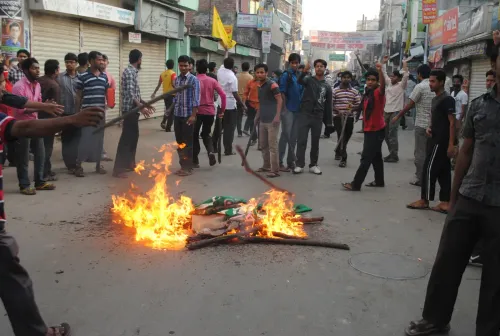
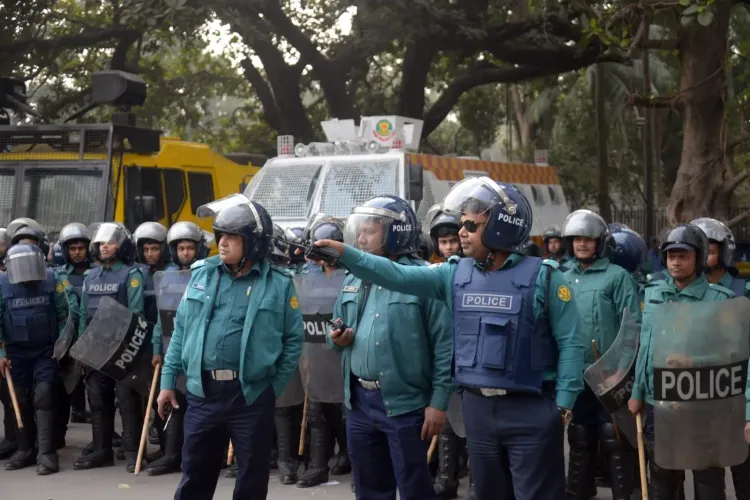
The reporting highlighted a disturbing pattern involving the killing of police personnel, arson attacks on police stations, looting of firearms, and the forcible release of arrested suspects by organised groups. Officers have been targeted while attempting arrests; handcuffed suspects have been snatched from custody; patrol teams have come under assault; government firearms have been looted; and police stations have been set ablaze.
According to the Dhaka Tribune account: “Police officers are being killed while trying to arrest criminals. Handcuffed suspects are being snatched from police custody, patrol teams are coming under attack, government firearms are being looted, and police stations are being set ablaze. At a time when the police are entrusted with protecting people's lives and property, the security of the force's own members has emerged as a major concern.”
It added: “From isolated criminal incidents to political violence, repeated attacks on police are not only putting officers at greater risk but also testing the state's law enforcement capacity and authority.” Notably, 400 of the 484 recorded assaults fell in the eight months after the new government was formed — a concentration that has drawn attention to enforcement capacity in the post-transition period.
What the crime analyst said
Touhidul Haque, an associate professor at Dhaka University's Institute of Social Welfare and Research and a crime analyst, said repeated attacks on police across the country raised serious concerns about the state of law and order.
“This is not merely a matter of the security of police personnel; it is also linked to the state's capacity and authority to enforce the law. When criminals attack police in organised groups or snatch suspects from custody, a sense of insecurity spreads among ordinary people as well. A culture of impunity, political influence, a lack of public trust in police and the increasingly reckless behaviour of criminals may be contributing to these incidents,” he said.
Calling for swift investigations and visible justice against those responsible, Haque added: “At the same time, rebuilding police professionalism, accountability and public trust is essential. Otherwise, such incidents could further complicate the law and order situation.”
Why it matters for citizens
The scale — more than one recorded attack a day on average across the January–October window — points beyond isolated crime. Organised groups snatching handcuffed suspects and looting government weapons challenge not only individual officers but the state's ability to enforce the law. This comes amid a broader deterioration in law and order described in the same reporting, with political violence listed alongside criminal incidents as a driver of attacks.
When police stations themselves are set on fire, the signal to the public is that even the symbols of state authority are not secure. Ordinary people are affected twice: first by the crimes officers were trying to stop, and second by the insecurity that spreads when the force is seen as vulnerable. The factors Haque listed — impunity, political influence, and eroding public trust — if left unaddressed, risk a cycle in which criminals grow more reckless and communities less willing to cooperate with police.
What happens next
Haque has urged prompt investigations and visible justice, alongside a rebuild of professionalism, accountability and public confidence in the police. Without that, he warned, the law-and-order situation could grow more complicated. Subsequent monthly crime statistics from Police Headquarters will show whether the November cluster of injuries and the Narayanganj killing mark a further intensification. For now, the security of Bangladesh's own police personnel has become a central test of the state's authority.
Point of View
The state's monopoly on force is being contested in public. India's interest is structural: Bangladesh's law-and-order capacity sits on a shared border, trade routes and a dense security interface. The clustering of 400 attacks after the February change of government will be read as a test of the new BNP administration's writ, not merely as crime data. Visible prosecutions — not statements — will decide whether this is a post-transition spike or a longer erosion of authority.
NationPress
25 Nov 2026
Frequently Asked Questions
How many Bangladesh police personnel were killed and injured in attacks this year?
At least five police personnel have been killed and more than 370 others seriously injured in over 484 attacks on police across Bangladesh this year. Four deaths were recorded from January to October; a killing in Narayanganj on 22 November took the toll to at least five.
When did most of the attacks on Bangladesh police take place?
Of the 484 attacks logged between January and October, 400 were reported between March and October, after the Tarique Rahman-led BNP government took office on 17 February 2026. At least 21 more officers were injured between 1 and 23 November.
What kinds of attacks have been reported against Bangladesh police?
Reports describe officers being killed while trying to arrest criminals, handcuffed suspects being snatched from custody, patrol teams coming under attack, government firearms being looted, and police stations being set ablaze. Organised groups have also forcibly freed arrested suspects.
Why do analysts say these attacks on Bangladesh police matter?
Crime analyst Touhidul Haque of Dhaka University says the attacks test the state's capacity and authority to enforce the law, not only the safety of officers. When organised groups assault police or snatch suspects, he argues, a sense of insecurity spreads among ordinary people as well.
What has been recommended to stop attacks on Bangladesh police?
Touhidul Haque has called for swift investigations and visible justice against those responsible, along with rebuilding police professionalism, accountability and public trust. He warned that without those steps, such incidents could further complicate the law-and-order situation.