Gujarat Police arrest 5 in ₹2.30 crore forex scam; cyber fraud network worth ₹15.31 crore busted
Synopsis
Five Gujarat men have been arrested for allegedly cheating a victim out of ₹2.30 crore through a fake RoboForex forex scheme — but the real scale is far larger. The single bank account used in the fraud has been linked to 31 cyber fraud complaints nationwide, with total proceeds exceeding ₹15.31 crore, revealing a sophisticated money-mule chain stretching from Gujarat to Delhi to Nepal.
Key Takeaways
Gujarat Police arrested five accused under Operation Mule Hunt 2.0 for allegedly defrauding a victim of ₹2.30 crore via a fake RoboForex forex trading platform.
The fraud began through a matrimonial website and the Dilsafar app , using a fake persona named 'Jigyasha Kapoor' .
The victim transferred ₹1.47 crore via Telegram -directed transfers before the account was allegedly locked; total losses reached ₹2.30 crore .
Chemicals bank account used in the fraud was linked to 31 cyber fraud complaints across India, with total proceeds exceeding ₹15.31 crore .
A money-mule chain allegedly ran from Gujarat through Delhi to Nepal , where fraud proceeds were routed and laundered.
Investigators seized 7 mobile phones and 2 forged identity documents (Aadhaar and PAN cards) during the operation.
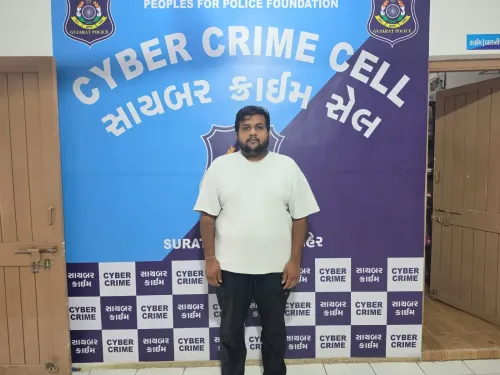
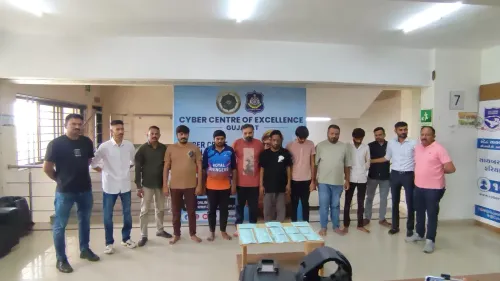
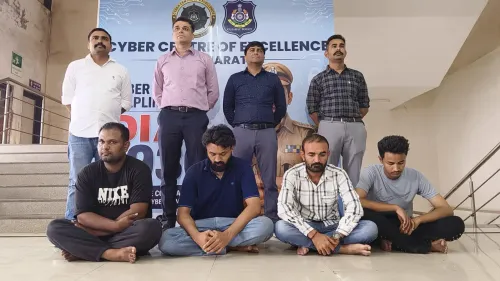
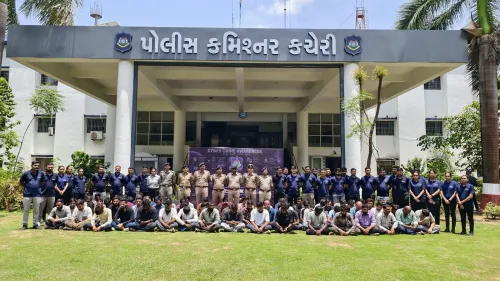
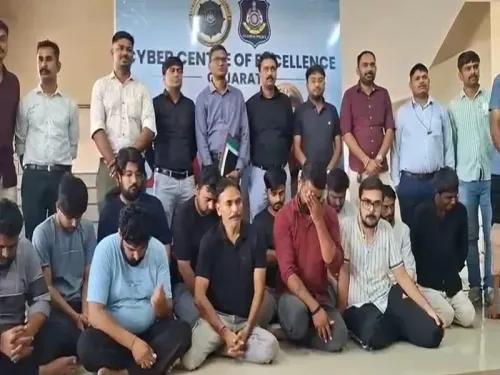
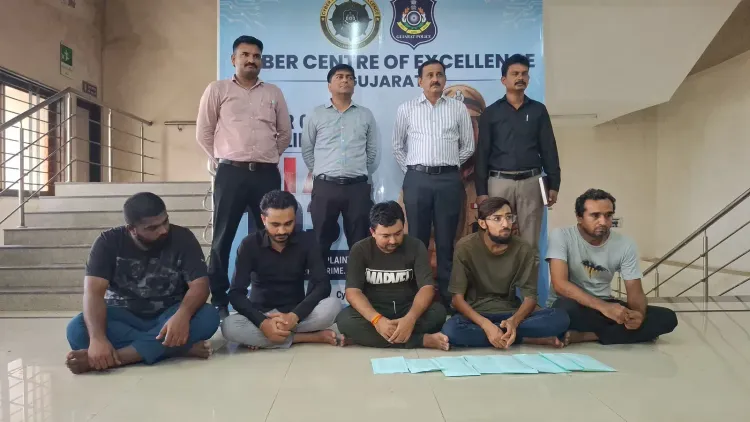
Gujarat Police's Cyber Centre of Excellence has arrested five members of a cyber fraud syndicate under Operation Mule Hunt 2.0, cracking a fake forex trading scheme that allegedly defrauded a victim of ₹2.30 crore through a platform called RoboForex. Investigators have further traced a nationwide cyber fraud network linked to the same bank account, with total proceeds exceeding ₹15.31 crore across 31 complaints filed on the National Cyber Crime Reporting Portal (NCCRP).
How the Scam Unfolded
The fraud reportedly began when the victim was approached on the Dilsafar application by someone using the name 'Jigyasha Kapoor', who had first made contact through a matrimonial website. The accused allegedly built trust by promising substantial profits through forex trading tips before directing the victim to open an account on the RoboForex webpage with an initial investment of ₹50,000.
According to investigators, the fraudsters initially allowed the victim to withdraw profits from the first investment — a classic confidence-building tactic used in online investment scams. After trust was established, the victim was guided via Telegram to transfer funds into multiple bank accounts, eventually transferring ₹1.47 crore.
The trading platform allegedly displayed inflated profit figures before the victim received a message claiming the RoboForex account had been locked. The accused then allegedly demanded ₹83 lakh to unlock the account, followed by additional payments under the pretext of withdrawal charges. In total, the victim transferred ₹2.30 crore, none of which was returned, according to police.
The Mule Network: From Gujarat to Nepal
Investigators uncovered a layered money-mule chain stretching from Gujarat to Delhi and ultimately to Nepal. According to police, arrested accused Raj Padsala of Anand allegedly opened a bank account in the name of his firm, R.P. Chemicals, and handed the banking kit to co-accused Yagnik Ramani of Rajkot in exchange for a commission.
Ramani allegedly passed the kit through Dr Jaydipkumar Ardeshna, also known as Doctor Upleta, who operates a clinic in Upleta. The kit then reportedly reached Laxman Vaghela, who used Pankaj Paswan to connect with a person identified only as Rahul in Delhi. Through another individual identified as Sarfaraz, the banking kit was ultimately routed to Nepal, where it was allegedly used to receive and launder the proceeds of cyber fraud.
Scale of the Fraud Network
A check on the NCCRP revealed that the R.P. Chemicals bank account had been flagged in 31 separate cyber fraud complaints filed across India, with the cumulative amount involved exceeding ₹15.31 crore. This points to the account being a key node in a broader criminal network rather than an isolated case.
During the operation, investigators seized seven mobile phones and two forged identity documents — one Aadhaar card and one PAN card.
The Five Arrested
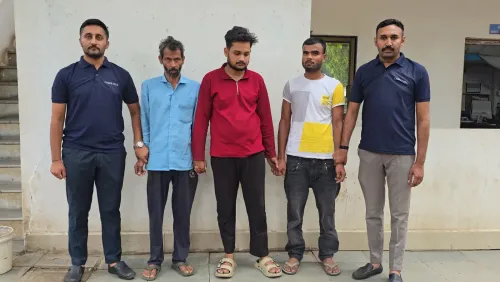
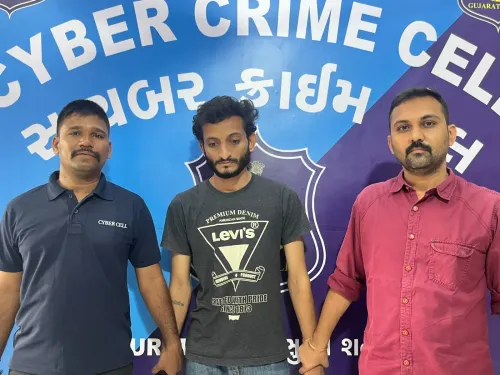
The five accused arrested under Operation Mule Hunt 2.0 are: Raj Padsala (Anand), identified as the bank account holder; Yagnik Ramani (Rajkot), bank account supplier; Laxman Vaghela (Rajkot), bank account supplier; Dr Jaydipkumar Ardeshna (Rajkot), bank account supplier; and Sagar Gokani (Rajkot), bank account provider. All five allegedly acted in criminal conspiracy, according to police.
Investigation Ongoing
Police have confirmed that further investigation is underway. This operation is part of a broader push by Gujarat's cyber enforcement machinery to dismantle money-mule networks that serve as the financial backbone of large-scale online fraud operations across India.
Point of View
Mule accounts in another, and proceeds laundered abroad, in this instance through Nepal. The fact that a single bank account in the name of a chemicals firm was flagged in 31 separate NCCRP complaints before arrests were made raises questions about the speed of inter-agency data sharing. Operation Mule Hunt 2.0 signals that Gujarat Police is moving upstream — targeting account suppliers rather than just end-point fraudsters — but the Nepal routing suggests the financial trail extends well beyond domestic jurisdiction, where enforcement coordination remains a structural gap.
NationPress
28 Sept 2026
Frequently Asked Questions
What is the Gujarat forex trading scam arrested under Operation Mule Hunt 2.0?
Gujarat Police arrested five men for allegedly defrauding a victim of ₹2.30 crore through a fake forex trading platform called RoboForex. The scam began via a matrimonial website and the Dilsafar app, with fraudsters posing as an investment guide named 'Jigyasha Kapoor' before directing the victim to transfer funds through Telegram.
How much money is linked to the cyber fraud network uncovered in this case?
The bank account used in the fraud — opened in the name of R.P. Chemicals — was found on the National Cyber Crime Reporting Portal to be linked to 31 cyber fraud complaints filed across India, with total proceeds exceeding ₹15.31 crore. The ₹2.30 crore victim loss is only a portion of the broader network's activity.
Who are the five people arrested in the Gujarat cyber fraud case?
The five arrested are Raj Padsala of Anand (bank account holder), Yagnik Ramani of Rajkot (bank account supplier), Laxman Vaghela of Rajkot (bank account supplier), Dr Jaydipkumar Ardeshna of Rajkot (bank account supplier), and Sagar Gokani of Rajkot (bank account provider). All are accused of acting in criminal conspiracy, according to police.
How did the money-mule network operate in this case?
According to investigators, the banking kit was passed through a chain of accused from Raj Padsala in Anand to Yagnik Ramani, then to Dr Jaydipkumar Ardeshna, Laxman Vaghela, and via Pankaj Paswan to a contact in Delhi. It was ultimately routed to Nepal through an individual identified as Sarfaraz, where the fraud proceeds were allegedly disposed of.
What is Operation Mule Hunt 2.0?
Operation Mule Hunt 2.0 is an ongoing cyber enforcement operation by the Gujarat Police's Cyber Centre of Excellence targeting money-mule networks — individuals who provide or operate bank accounts used to route proceeds of cyber fraud. The operation aims to dismantle the financial infrastructure behind large-scale online scams.