Bangladesh garment protests: 748 arrested, 543 injured in 20-day crackdown

Synopsis
748 people arrested and 543 injured over 20 days of garment worker protests in Bangladesh — and two workers are dead. A Paris-based human rights group is calling for an international inquiry, flagging the use of anti-terrorism laws against wage protesters and alleged attacks by ruling BNP leaders. The crackdown is the first major labour test of Bangladesh's post-transition government.
Key Takeaways
748 people arrested and 543 workers injured during 20 days of garment worker protests in Bangladesh , according to JMBF .
Two workers have died from injuries allegedly sustained in protest-linked attacks.
Arrested individuals include 13 labour leaders and organisers and 170 Awami League leaders and activists.
The Bangladesh Anti-Terrorism Act has reportedly been used in cases tied to what is fundamentally a wage dispute.
JMBF demands an impartial international commission of inquiry, immediate release of all detainees, and a minimum wage aligned with workers' demands.
Alleged attacks by leaders and workers of the ruling Bangladesh Nationalist Party (BNP) are also under scrutiny.
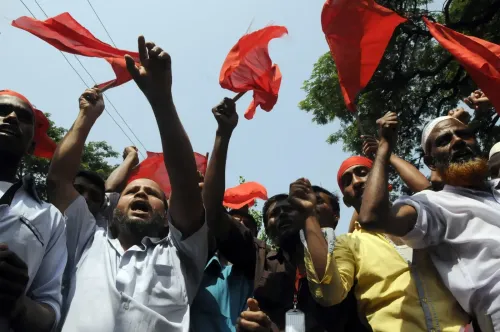
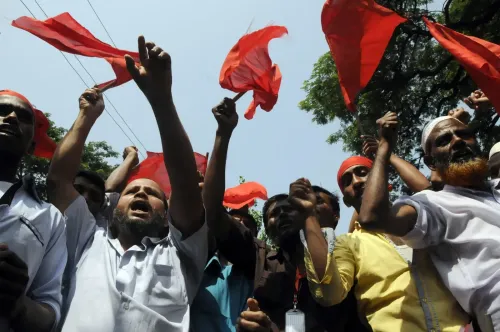
At least 543 workers have been injured and 748 people arrested in Bangladesh during 20 days of ongoing protests by garment workers demanding higher wages, according to Justice Makers Bangladesh in France (JMBF), a leading international human rights organisation that raised alarm on Friday, 20 November over what it described as a brutal crackdown by Bangladeshi authorities.
Scale of the Crackdown
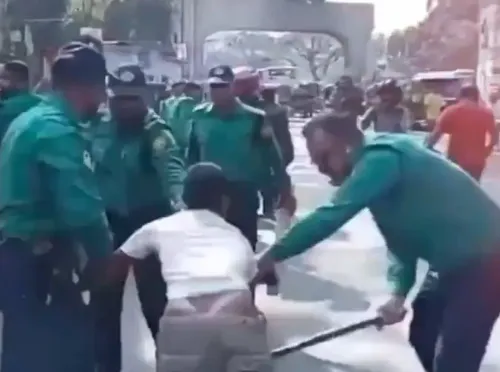
Among those arrested are 13 labour leaders and organisers and 170 leaders and activists from the Awami League. The JMBF strongly condemned what it characterised as police torture, excessive use of force, and mass arrests carried out in response to the wage dispute. Notably, the Bangladesh Anti-Terrorism Act has reportedly been invoked in cases linked directly to the wage protests — a development the rights body said demands immediate scrutiny.
Two Workers Dead, Accountability Demanded
The JMBF expressed outrage over the deaths of two workers from injuries allegedly sustained in attacks connected to the protests. The organisation also demanded accountability for alleged assaults by leaders and workers of the ruling Bangladesh Nationalist Party (BNP). It called for an impartial international commission of inquiry to investigate the deaths, police conduct, and alleged attacks by ruling party figures.
JMBF Founder President Shahanur Islam said in a statement: 'Two workers lost their lives while demanding fair wages. We are deeply outraged by the brutal torture, attacks and mass arrests of workers. The families of the workers who died must be told who was responsible for their deaths. Whether the allegations concern police officers or ruling party leaders and activists, an impartial international investigation must establish their role.'
What the Rights Body Is Demanding
The JMBF has issued a set of specific demands to the Bangladeshi government, including the immediate release of all workers and labour leaders arrested for participating in protests or trade union activities, the withdrawal of all cases filed against them, and the setting of a minimum wage in line with workers' stated demands. It also urged authorities to protect workers' right to peaceful assembly and to uphold freedom of association.
Islam added: 'Workers and labour leaders arrested for taking part in the protests must be released immediately, all cases filed must be withdrawn, and the minimum wage must be set in line with workers' legitimate demands.'
Broader Context and What Is at Stake
Bangladesh's garment sector is the backbone of its economy, accounting for the vast majority of the country's export earnings and employing millions of workers, a large proportion of them women. Wage disputes in the industry are not new — the last major overhaul of minimum wages in the sector triggered similarly large-scale protests. This is the first significant labour confrontation since the political transition that brought the BNP back to prominence, raising questions about whether the new administration will respond differently from its predecessors. The invocation of anti-terrorism legislation against wage protesters, critics argue, marks a troubling escalation that could chill legitimate labour organising for years to come.
How the Bangladeshi government responds in the coming days will be closely watched by international buyers, global labour rights bodies, and trade partners who have repeatedly pressed Dhaka on worker protections.
Point of View
And a documented crackdown of this scale gives ammunition to advocacy groups lobbying for trade conditionality. The deaths of two workers and the arrest of 13 labour organisers also expose a structural contradiction: a government that came to power partly on a reform mandate is now presiding over a crackdown that mirrors the worst episodes of its predecessor. Whether an independent inquiry materialises will be the clearest test of whether that mandate was genuine.
NationPress
20 Nov 2026
Frequently Asked Questions
How many people have been arrested and injured in the Bangladesh garment worker protests?
According to the Justice Makers Bangladesh in France (JMBF), at least 748 people have been arrested and 543 workers injured during 20 days of protests by garment workers in Bangladesh. Those arrested include 13 labour leaders and organisers and 170 Awami League leaders and activists.
Why are Bangladesh garment workers protesting?
Workers are protesting to demand a higher minimum wage. The dispute escalated over 20 days and drew an increasingly forceful response from authorities, including mass arrests and, according to JMBF, police torture and excessive use of force.
What is JMBF and what has it called for?
Justice Makers Bangladesh in France (JMBF) is a Paris-based international human rights organisation focused on Bangladesh. It has called for an impartial international commission of inquiry into the two worker deaths, alleged police torture, and alleged attacks by ruling BNP party figures, as well as the immediate release of all detainees and withdrawal of cases against them.
How were anti-terrorism laws used against the protesters?
According to JMBF, the Bangladesh Anti-Terrorism Act was reportedly invoked in cases directly linked to the wage protests. The rights body described this as a development that 'demands immediate scrutiny,' arguing it constitutes an excessive and disproportionate legal response to a labour dispute.
Who are the two workers who died in the Bangladesh protests?
JMBF reported that two workers died from injuries sustained in attacks linked to the protests, but did not publicly name them. The organisation has demanded that the families of the deceased be told who was responsible and called for an impartial investigation to establish accountability, whether involving police officers or ruling party figures.