Ahmedabad 149th Rath Yatra: AI surveillance, elephant tracking, anti-drone systems deployed
Synopsis
For the first time in Ahmedabad's Rath Yatra history, live elephant tracking joins AI facial recognition and anti-drone guns as part of the 149th edition's security plan — a signal that India's largest religious processions are entering a new era of digital crowd management, reviewed at the top by Deputy CM Harsh Sanghavi.
Key Takeaways
Ahmedabad has finalised security for the 149th Rath Yatra of Lord Jagannath , scheduled on Ashadhi Bij .
The 'Gajrakshak Smart Tracking System' will monitor elephants in real time — a first in the event's history.
AI-powered facial recognition via 'PINAC' software and thousands of CCTV cameras will provide live surveillance across the route.
Anti-drone guns and jammer teams will guard against aerial threats during the procession.
The 'Pratiraksha' app will enable Aadhaar-based verification of truck operators and akhada organisers.
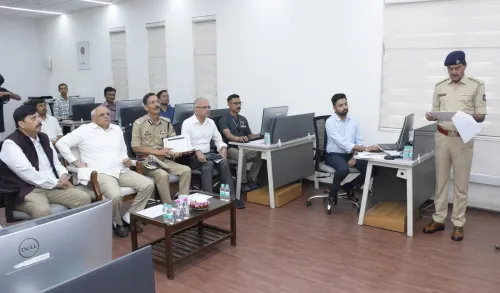
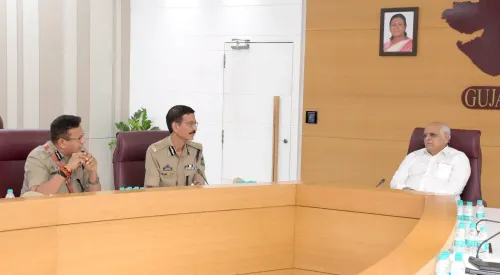
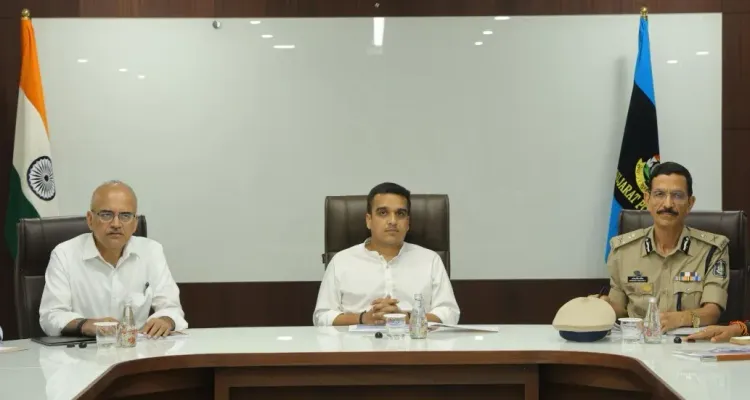
The security review was chaired by Deputy Chief Minister Harsh Sanghavi , attended by DGP G.S.
Malik and Police Commissioner Anupam Singh Gahlaut .
Ahmedabad's administration has finalised a sweeping security framework for the 149th Rath Yatra of Lord Jagannath, deploying AI-powered facial recognition, live elephant tracking, and anti-drone systems ahead of the annual procession on Ashadhi Bij. The arrangements mark one of the most technology-intensive security operations in the event's modern history.
High-Level Security Review
The preparations were assessed on Wednesday at a senior-level meeting chaired by Deputy Chief Minister Harsh Sanghavi, who reviewed security deployment, law and order conditions, and inter-departmental readiness. The meeting brought together Director General of Police G.S. Malik, Ahmedabad Police Commissioner Anupam Singh Gahlaut, Chief Minister's Principal Secretary Sanjeev Kumar, Municipal Commissioner Banchhanidhi Pani, and Ahmedabad Collector Bhavya Verma, alongside senior police officers and representatives of multiple security agencies.
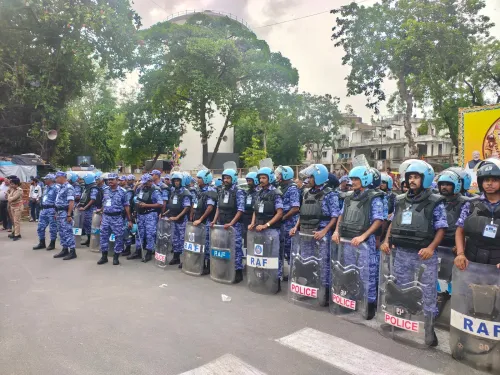
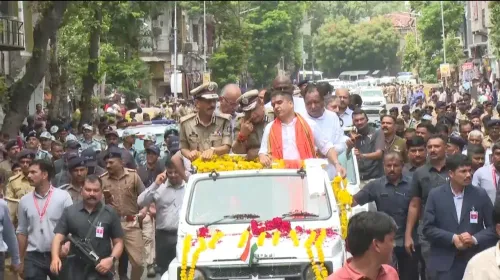
Sanghavi directed the police and civil administration to remain fully prepared to ensure the procession is conducted peacefully. He reviewed police deployment plans along the route, traffic management protocols, emergency response arrangements, and coordination across agencies. Officials also briefed the meeting on visits to sensitive locations, community outreach with local leaders, and preventive action taken against anti-social elements.
Technology at the Core of Security
Emphasising the integration of technology with conventional policing, Sanghavi called for close coordination between manpower and modern surveillance systems. 'PINAC' software will power an AI-driven facial recognition system operating across the procession route. The network is supported by thousands of CCTV cameras providing live surveillance along the entire corridor.
Anti-drone guns and dedicated jammer teams will guard against aerial threats — a measure reflecting growing concerns about unmanned aerial intrusions at large public gatherings. 'Pratiraksha', an Aadhaar-based verification application, will be used to authenticate truck operators and akhada organisers participating in the yatra.
Gajrakshak: A First for Ahmedabad's Rath Yatra
Among the headline initiatives this year is the 'Gajrakshak Smart Tracking System', being deployed for the first time in the city's Rath Yatra history. The system will monitor the real-time location and safety of elephants participating in the procession — an acknowledgement of both animal welfare concerns and crowd management challenges that large animals in dense urban settings can pose.
This is the first time such live elephant tracking has been integrated into the event's security architecture, according to officials.
What Officials Said
Sanghavi underscored the importance of a seamless event, stating: 'All arrangements should be ensured so that the Rath Yatra is completed smoothly in an atmosphere of devotion and enthusiasm.' Security agencies presented a detailed coordinated action plan during the meeting covering all aspects of law and order management.
Scale and Significance
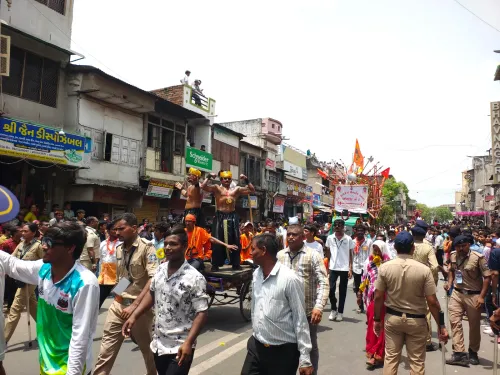
The Ahmedabad Rath Yatra is one of India's largest annual religious processions, drawing hundreds of thousands of devotees each year. The 149th edition adds historical weight to an event that has grown in both scale and security complexity over the decades. This year's technology-forward approach signals a broader shift in how Indian administrations are managing large-scale public gatherings — combining traditional policing with real-time digital oversight.
With final preparations underway, all eyes will be on whether the multi-layered security framework delivers a safe and uninterrupted procession on Ashadhi Bij.
Point of View
But the real test is whether PINAC's facial recognition operates within a clear legal framework for data retention and misuse prevention. Large-scale biometric surveillance at public religious gatherings raises questions that the Gujarat administration has not yet publicly addressed. The scale of this year's tech deployment also sets a precedent — if it works, expect replication at Kumbh, Pushkar, and every major state-level mela going forward.
NationPress
7 Oct 2026
Frequently Asked Questions
What is the Gajrakshak Smart Tracking System used in the Rath Yatra?
The Gajrakshak Smart Tracking System is a live elephant monitoring tool being deployed for the first time in Ahmedabad's Rath Yatra history. It tracks the real-time location and safety of elephants participating in the procession, addressing both animal welfare and crowd management concerns.
What AI technology is being used for security at the 149th Rath Yatra?
Authorities are deploying an AI-powered facial recognition system operating through 'PINAC' software, supported by a network of thousands of CCTV cameras along the entire procession route. The system is designed to identify persons of interest in real time during the event.
Who chaired the security review meeting for the Ahmedabad Rath Yatra?
Deputy Chief Minister Harsh Sanghavi chaired the high-level security review meeting held on Wednesday. It was attended by DGP G.S. Malik, Police Commissioner Anupam Singh Gahlaut, Municipal Commissioner Banchhanidhi Pani, and Ahmedabad Collector Bhavya Verma, among others.
What is the 'Pratiraksha' application used for in the Rath Yatra?
The 'Pratiraksha' application enables Aadhaar-based identity verification of truck operators and akhada organisers taking part in the Rath Yatra. It is part of a broader effort to vet participants and strengthen access control during the procession.
Why are anti-drone systems being deployed at the Rath Yatra?
Anti-drone guns and jammer teams have been deployed to guard against potential aerial threats during the procession. The measure reflects growing concerns about unauthorised drone activity at large public and religious gatherings across India.