Amit Shah Challenges Opposition's North-South Divide Tactics on Women's Quota
Synopsis
In a powerful address, Union Home Minister Amit Shah counters the Opposition's narrative on the women's reservation bill, urging for swift action and unity across states. He emphasizes the equal rights of all regions in the legislative process.
Key Takeaways
Amit Shah criticizes the Opposition's North-South divide narrative.
He challenges Congress to support the swift passage of women’s reservation legislation.
Southern states will maintain or increase their representation post-delimitation.
Women voters are watching the Opposition's actions closely.
Division tactics will not be tolerated.
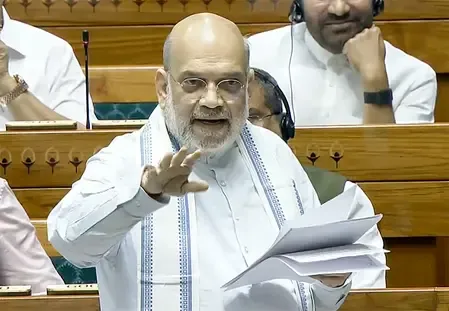
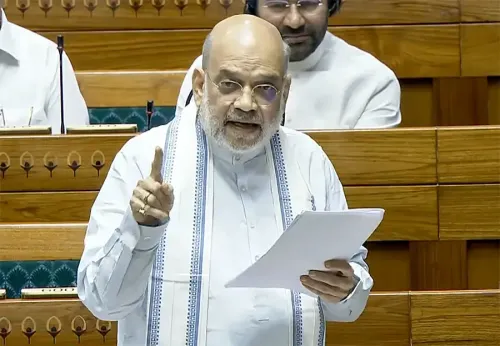
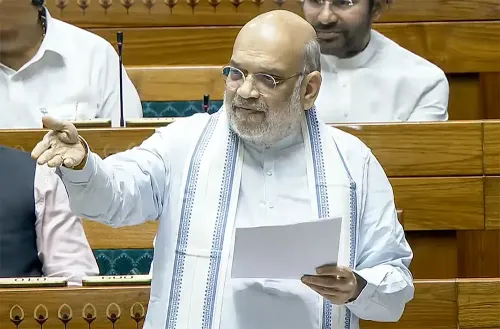
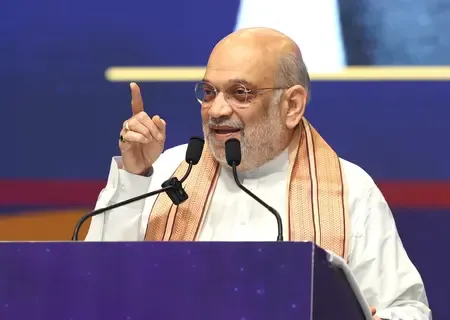
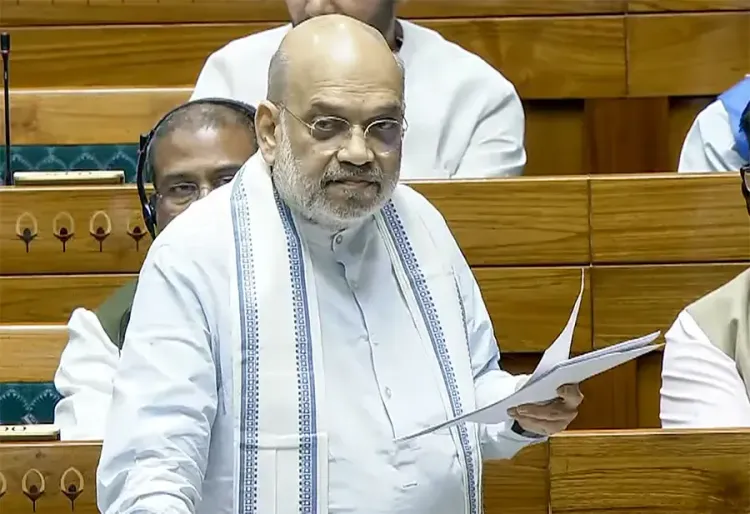
New Delhi, April 17 (NationPress) In a strong rebuttal to the North-South divide narrative, Union Home Minister Amit Shah on Friday called on the Congress party to guarantee the swift passage of the 'Nari Shakti Vandan Adhiniyam' if the government proposes an official amendment within one hour to ensure a 50% increase in Lok Sabha seats across all states.
During the Lok Sabha debate regarding the women’s reservation bill, HM Shah firmly stated that he would not be misled by the Opposition's demand to separate women’s reservation from delimitation, which is essential for achieving the proposed seat increase.
“We will not permit the Opposition to postpone the women’s reservation past 2029,” he emphasized, alerting that women are observing the Opposition’s resistance to the reservation for the fifth time.
HM Shah also denounced the Opposition's efforts to create a divide between the North and South. “The narrative of dividing the nation along North-South lines will not be tolerated,” he asserted.
He acknowledged that the southern states have equal rights in the House as their northern counterparts. “Disregard the North-South discourse; even a small Union Territory like Lakshadweep possesses the same rights in the House as Uttar Pradesh,” he remarked.
Assuring that southern states will not lose representation in Lok Sabha following delimitation, contrary to the Opposition's claims, HM Shah pointed out that currently, the five southern states—Karnataka, Andhra Pradesh, Telangana, Tamil Nadu, and Kerala—account for 129 seats out of 543, equating to 23.76% of the total seats.
He noted that with the number of Lok Sabha seats expanding to 815 after delimitation, the representation for these five southern states will grow to 195 seats, maintaining their share at 23.87%.
HM Shah cautioned that the government will not allow the Opposition to “incite a division based on North-South narratives.”
He further warned the Opposition parties that if they choose to reject the women’s reservation on flimsy grounds, they risk facing repercussions from women voters for failing to support their rights once again.
Point of View
It's clear that the discourse around women's reservation and regional divides is critical. Union Home Minister Amit Shah's statements reflect a commitment to ensuring equitable representation for women across all states, while also condemning attempts to manipulate regional sentiments for political gain.
NationPress
19 Sept 2026
Frequently Asked Questions
What is the Nari Shakti Vandan Adhiniyam?
The Nari Shakti Vandan Adhiniyam is a legislative proposal aimed at reserving a certain percentage of seats for women in the Lok Sabha and state assemblies.
Why is the North-South divide significant in this context?
The North-South divide narrative has been used by the Opposition to create division among states, which Union Home Minister Amit Shah argues is detrimental to national unity and women's representation.
How will delimitation affect Lok Sabha seats?
Delimitation is the process of redrawing the boundaries of electoral constituencies. After delimitation, the total number of Lok Sabha seats is expected to increase, providing more representation for southern states.
What did HM Shah say about the representation of southern states?
HM Shah assured that the southern states would not lose representation in the Lok Sabha after delimitation, emphasizing their equal rights in the House.
What are the repercussions for the Opposition if they oppose women's reservation?
HM Shah warned that if the Opposition continues to resist women's reservation on trivial grounds, they risk alienating women voters who may punish them in future elections.