Assam's four new GI tags: Bihu Pepa, Karbi Anglong Handloom among heritage products certified

Synopsis
Assam has added four more GI-tagged products — including the buffalo-horn Bihu Pepa and bamboo craft Bah Silpa — to its growing intellectual property portfolio. The certifications, announced by Chief Minister Himanta Biswa Sarma, offer legal protection to indigenous artisans and open new export avenues, but the real test will be whether branding and market infrastructure follow.
Key Takeaways
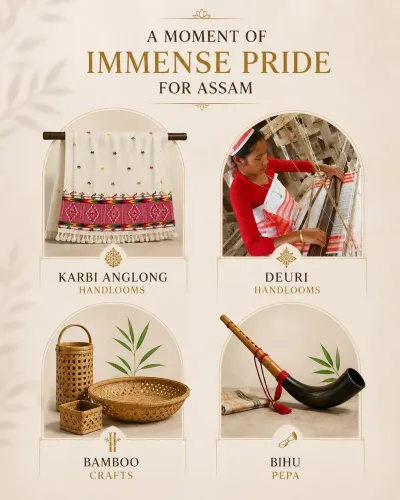
Assam received four new GI tags on 15 June 2025 for Bihu Pepa , Karbi Anglong Handloom , Bah Silpa , and Deori Handloom Products .
Chief Minister Himanta Biswa Sarma announced the certifications via a post on X, calling it 'another shot in the arm' for heritage conservation.
GI tags grant legal intellectual property protection, preventing misuse of traditional product names by inauthentic producers.
NABARD has reportedly been supporting Assam's GI recognition efforts for indigenous products.
The certifications are expected to improve branding, market access, and export potential for rural artisan communities across the state.
Assam has secured four new Geographical Indication (GI) tags for traditional products — Bihu Pepa, Karbi Anglong Handloom, Bah Silpa (Assamese Bamboo Craft), and Deori Handloom Products — in a development announced on Monday, 15 June by Chief Minister Himanta Biswa Sarma. The certifications grant legal intellectual property protection to these indigenous crafts and strengthen their link to the state's cultural and geographical identity.
What the Four Products Represent
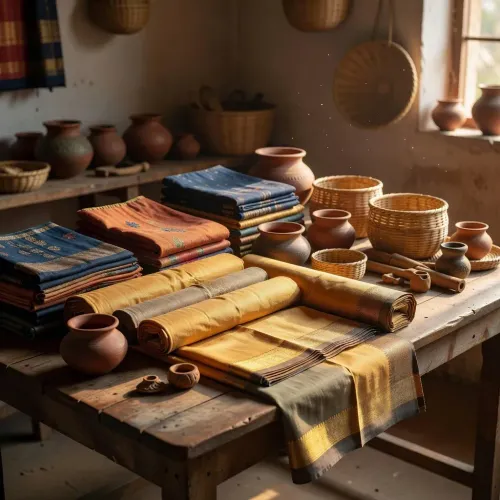
Bihu Pepa is a traditional wind instrument fashioned from buffalo horn, considered inseparable from Assam's iconic Bihu festival celebrations. Karbi Anglong Handloom embodies the centuries-old weaving traditions of the Karbi community, one of Assam's prominent indigenous groups. Deori Handloom Products reflect the distinctive textile heritage of the Deori tribe, while Bah Silpa — Assamese bamboo craft — represents a centuries-old artisanal tradition woven into daily life and cultural practice across the state.
What GI Certification Means for Artisans
A GI tag is an intellectual property right awarded to products whose qualities, reputation, or characteristics are essentially attributable to their place of origin. The certification ensures that only authentic producers can market goods under the protected name, shielding traditional craftspeople from counterfeit competition. Chief Minister Sarma described the recognition as 'another shot in the arm' for heritage conservation, adding that it would help genuine producers receive fair market value for their work.
Economic and Market Impact
The GI certifications are expected to improve branding, market access, and export potential for rural artisans in Assam. According to officials, Assam's heritage products are increasingly gaining visibility in both national and international markets, and the new tags arrive at a moment of growing commercial interest. Institutions such as the National Bank for Agriculture and Rural Development (NABARD) have reportedly been supporting efforts to secure GI recognition for the state's traditional products.
Assam's Expanding GI Portfolio
With these four additions, Assam continues to build one of the more extensive GI portfolios among Indian states, covering textiles, crafts, and cultural artefacts. This comes amid a broader national push to protect indigenous intellectual property and connect artisan communities to premium market segments. Notably, GI-tagged products from Northeast India have seen rising demand in urban retail and export channels over the past several years, making certification increasingly consequential for livelihoods beyond cultural symbolism.
The next step for these products will be building market infrastructure — branding, distribution, and export linkages — to translate certification into measurable income gains for artisan communities.
Point of View
But the gap between intellectual property protection and artisan income remains wide — most GI-tagged products in India still lack organised supply chains, quality grading, or export facilitation. The inclusion of Bihu Pepa is culturally significant, yet the instrument's artisan base is small and ageing; a tag alone will not reverse that. The real measure of success will be whether NABARD and state agencies follow through with market linkages, not just certificates.
NationPress
14 Sept 2026
Frequently Asked Questions
Which four products received GI tags in Assam in 2025?
The four products are Bihu Pepa, Karbi Anglong Handloom, Bah Silpa (Assamese Bamboo Craft), and Deori Handloom Products. All four received official GI certification, as announced by Chief Minister Himanta Biswa Sarma on 15 June 2025.
What is a GI tag and why does it matter?
A Geographical Indication (GI) tag is an intellectual property right granted to products whose qualities or reputation are attributable to their geographical origin. It prevents counterfeit producers from marketing inauthentic goods under the protected name, ensuring genuine artisans receive fair value.
How will the GI tags benefit Assam's artisans?
The certifications are expected to improve branding, market access, and export potential for rural producers. By ensuring only authentic items can be marketed under the protected names, GI tags help artisans command better prices in national and international markets.
What role has NABARD played in Assam's GI efforts?
The National Bank for Agriculture and Rural Development (NABARD) has reportedly been supporting efforts to secure GI recognition for Assam's traditional products, contributing to the institutional push that led to these latest certifications.