Bangladesh measles outbreak 2025: 797 deaths since March as vaccine gaps persist
Synopsis
Bangladesh's measles crisis has now claimed at least 797 lives since March, yet hospitals report that 80–90% of current admissions are unvaccinated children — exposing a 40-lakh gap in a campaign the government says it exceeded. The numbers on paper and the numbers on the ward floor are telling two very different stories.
Key Takeaways
797 children have died from confirmed and suspected measles in Bangladesh since 15 March 2025 .
The DGHS recorded an average of 1,005 daily cases and 821 daily hospital admissions in the first three weeks of July 2025 .
Between 80 and 90 per cent of current measles admissions at DNCC hospital are unvaccinated children.
A gap of nearly 40 lakh children between the measles-rubella and Vitamin A campaigns has left a large susceptible population unreached.
Experts including Mahmudur Rahman and Be-Nazir Ahmed have criticised inadequate planning, inaccurate targets, and weak public outreach.
Bangladesh's measles outbreak has deepened into a full-scale public health emergency, with the country's Directorate General of Health Services (DGHS) recording an average of 1,005 suspected and confirmed cases, 821 hospital admissions, and nearly four deaths every day during the first three weeks of July 2025. At least 797 children have died from confirmed and suspected measles since 15 March 2025, even as the government insists it surpassed its emergency vaccination targets.
Scale of the Crisis
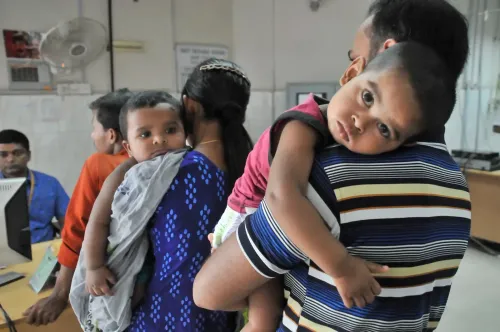
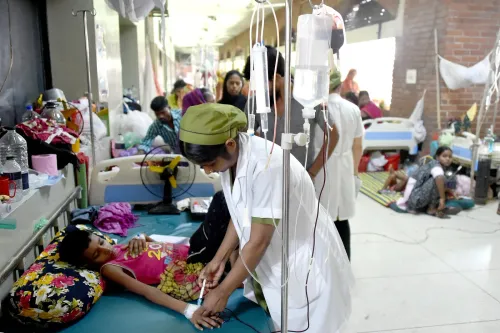
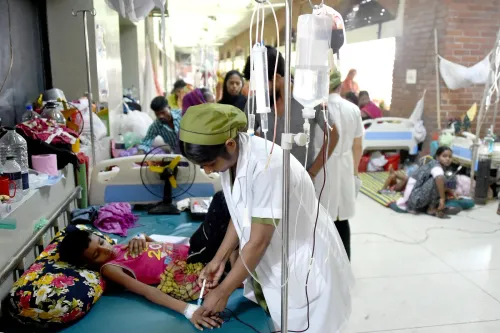
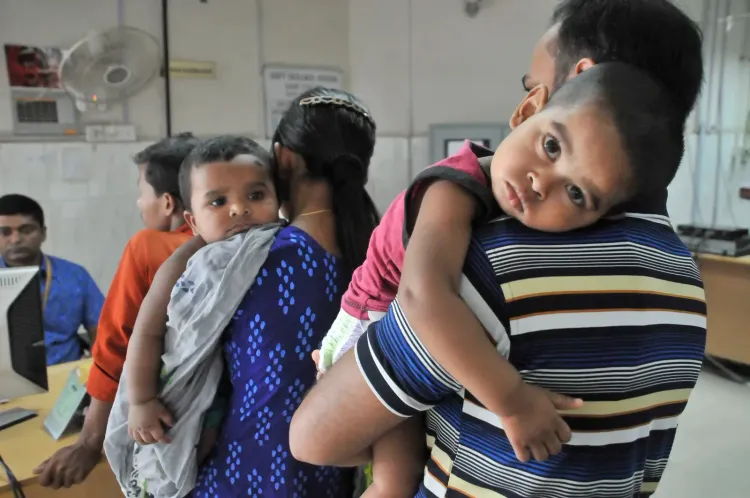
The daily toll tells a grim story. On Tuesday alone, at least four children died in the 24-hour period ending Tuesday morning, with the latest fatalities classified as suspected measles deaths, according to the DGHS. Hospitals across Dhaka continue to receive a relentless influx of patients, with the DNCC Dedicated Covid-19 Hospital — repurposed for measles care since mid-March — and the Infectious Diseases Hospital (IDH) among the hardest-pressed facilities.
Vaccination Gaps at the Heart of the Surge
The data from ward floors is stark. Asif Haider, administrative officer of the DNCC hospital, said that between 80 and 90 per cent of current measles admissions are unvaccinated children. Of the 74 measles patients admitted in the 24 hours ending Sunday, only five had received the measles vaccine. Accounts from attendants of seven patients at the two hospitals revealed that six of the seven children had not been vaccinated.
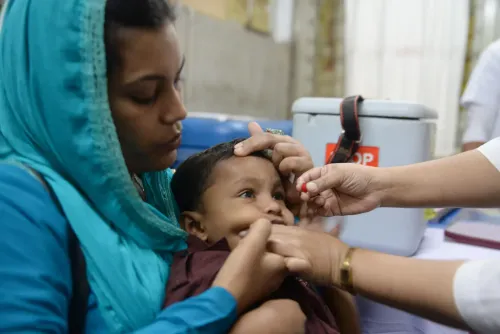
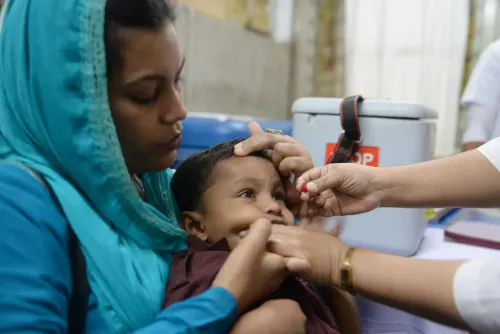
Health experts attribute the sustained outbreak to a gap of nearly 40 lakh children who were not reached by the vaccination campaign, infections spreading among children outside the campaign's target age group, and weak infection prevention and control protocols at health facilities.
Experts Question Campaign Planning
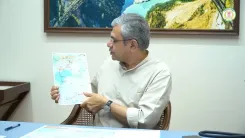
Mahmudur Rahman, chair of the National Verification Committee for Measles and Rubella Elimination, told The Daily Star, Bangladesh's leading English-language newspaper: 'The situation has improved, but not as much as expected two months after the vaccination campaign — the authorities do not appear to realise that.'
Health expert and former DGHS director of disease control Be-Nazir Ahmed described the 40-lakh gap between the measles-rubella and Vitamin A campaigns as 'astonishing', arguing it pointed to a significantly underestimated vaccination target. 'If the target itself was inaccurate, this outcome was inevitable,' he said. Ahmed further noted that inadequate planning and limited public outreach left many families unaware of the revised vaccination schedule.
Government Response Under Scrutiny
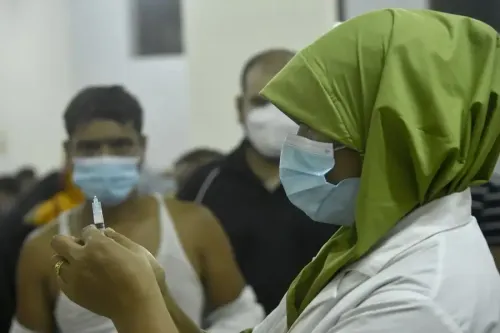
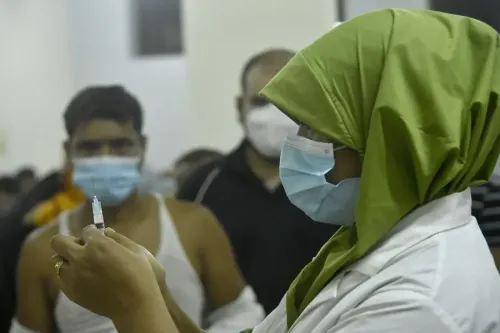
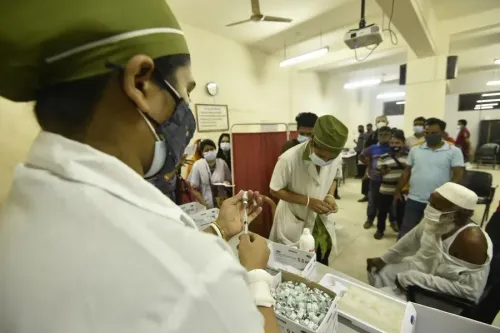
The government has claimed it exceeded its emergency measles vaccination target, yet the hospital data suggests otherwise. Critics argue that the headline vaccination numbers mask deep coverage failures in hard-to-reach communities and among children outside the campaign's defined age band. Both public attention and the official response reportedly show signs of fatigue, even as the outbreak remains at crisis levels.
What Comes Next
With the outbreak now in its fifth month and no clear sign of a downward trend in hospitalisations, health authorities face pressure to reassess their coverage methodology and expand outreach. Independent verification of vaccination figures and a revised target for susceptible children are among the steps experts say are urgently needed to bring the crisis under control.
Point of View
The daily death toll will remain a policy choice, not an inevitability.
NationPress
21 Oct 2026
Frequently Asked Questions
How many children have died in the Bangladesh measles outbreak?
At least 797 children have died from confirmed and suspected measles in Bangladesh since 15 March 2025 , according to the Directorate General of Health Services. The country recorded nearly four deaths every day during the first three weeks of July 2025.
Why is the measles outbreak still spreading in Bangladesh?
Health experts cite a vaccination gap affecting nearly 40 lakh children who were not reached by the emergency campaign, infections among children outside the campaign's target age group, and weak infection prevention measures at hospitals. Many families were also unaware of the revised vaccination schedule due to limited public outreach.
What percentage of measles patients in Bangladesh hospitals are unvaccinated?
Between 80 and 90 per cent of measles patients currently admitted to the DNCC Dedicated Covid-19 Hospital are unvaccinated, according to the hospital's administrative officer Asif Haider . Of 74 patients admitted in a single 24-hour period, only five had been vaccinated.
What do health experts say about Bangladesh's vaccination campaign?
Mahmudur Rahman , chair of the National Verification Committee for Measles and Rubella Elimination, said the situation has not improved as much as expected two months after the campaign. Former DGHS disease control director Be-Nazir Ahmed called the 40-lakh coverage gap 'astonishing' and said an inaccurate target made this outcome inevitable.
What needs to happen to bring the Bangladesh measles crisis under control?
Experts are calling for an independent verification of vaccination figures, a revised and accurate count of susceptible children, and expanded public outreach. Strengthening infection prevention and control measures at health facilities is also considered critical to reducing the daily hospitalisation and death toll.