West Bengal budget 2026-27: BJP doubles funds for North Bengal, Paschimanchal in industrial push
Synopsis
West Bengal's new BJP government has quietly engineered one of its most consequential budget moves by nearly doubling allocations for North Bengal and the western districts — regions rich in mineral, tourism, and tribal welfare potential, and also the party's strongest electoral turf. With commerce funding more than doubling and a single-window clearance system announced for investments above ₹100 crore, this budget is as much an industrial blueprint as it is a political consolidation.
Key Takeaways
North Bengal Development Department allocation nearly doubled to ₹1,821.52 crore from ₹920.13 crore in the 2026-27 West Bengal budget.
Paschimanchal Unnayan Affairs (PUA) budget rose to ₹1,610.85 crore from ₹810.04 crore , also nearly doubling.
Commerce and Industry Department allocation more than doubled to ₹3,266.59 crore from ₹1,483.97 crore .
IT and Electronics Department funding crossed ₹506.18 crore , up from ₹217.16 crore , signalling an ITeS investment drive.
A single-window clearance system announced for all investment proposals of ₹100 crore and above .
Political observers note the targeted districts were the BJP's strongest seats in the 2026 West Bengal assembly elections .
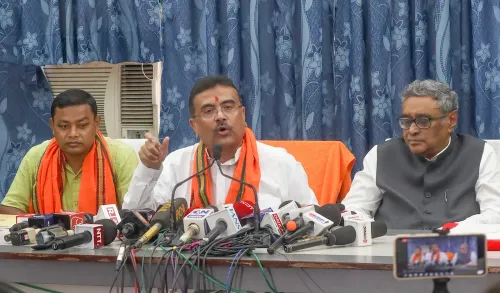
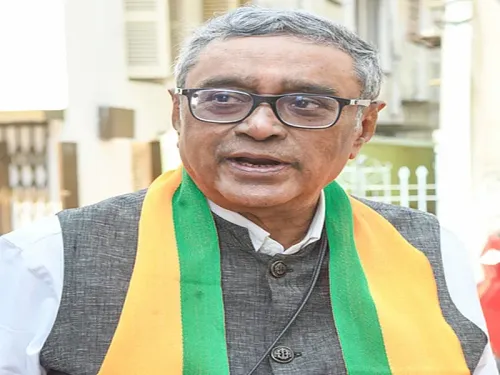
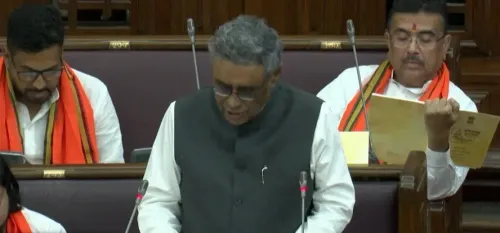
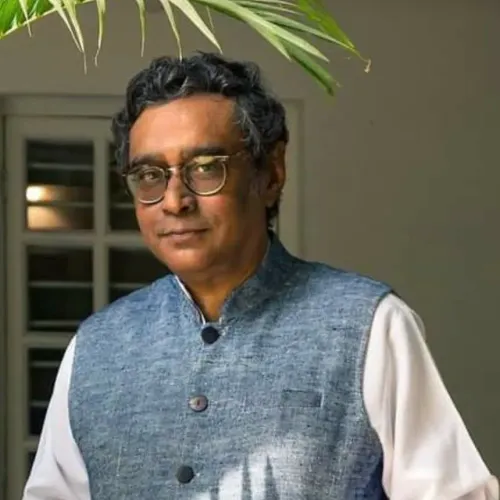
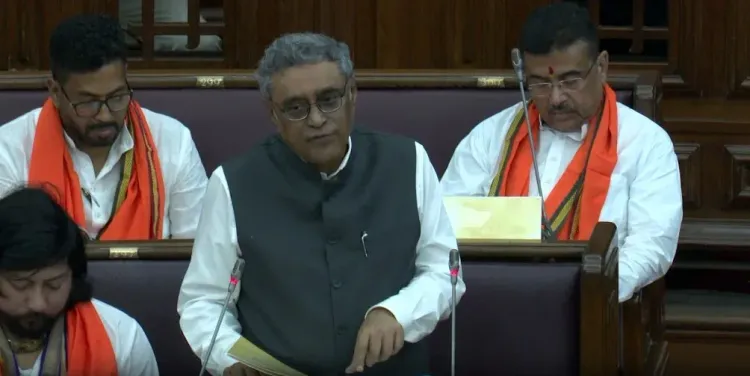
The Bharatiya Janata Party (BJP)-led West Bengal government's 2026-27 state budget, tabled by Finance Minister Swapan Dasgupta, has sharply doubled allocations for regional development departments, signalling a deliberate industrial and infrastructure push for the state's underserved zones. The budget's most striking feature is the near-doubling of funds for North Bengal and the western districts — regions that are both economically underdeveloped and, notably, BJP's strongest electoral strongholds.
Biggest Allocation Jumps: North Bengal and Paschimanchal
The North Bengal Development Department received the single largest proportional increase, with its allocation almost doubling to ₹1,821.52 crore from the previous ₹920.13 crore. The Paschimanchal Unnayan Affairs (PUA) Department — covering the state's western region — saw its budget rise to ₹1,610.85 crore from ₹810.04 crore, also nearly twice the earlier figure.
Economists have described the move as a calculated dual strategy. Both departments operate at the intersection of social welfare and infrastructure development, allowing the government to simultaneously address tribal welfare, forest-based livelihoods, and industry-enabling projects under a single budgetary push.
Why These Regions Hold Industrial Promise
North Bengal's economic potential is centred on what planners call the triple-T sectors — Tea, Tourism, and Timber — along with a growing medicinal herbs industry. The region's hills, dense forests, and large tribal population create both a social development imperative and a tourism investment opportunity.
The PUA's target districts — Bankura, Birbhum, Jhargram, Paschim Bardhaman, Paschim Medinipur, West Burdwan, and Purulia — are endowed with coal and mineral reserves, red-soil terrain, and dense forest cover suited for nature tourism. West Burdwan is traditionally the state's primary industrial pocket, and the increased allocation is expected to accelerate activity there.
Commerce, Industry and IT Get Record Boosts
The Commerce and Industry Department received the largest absolute increase, with its allocation more than doubling to ₹3,266.59 crore from ₹1,483.97 crore. During the budget speech on Monday, the finance ministry announced a single-window clearance system for all investment proposals of ₹100 crore and above, aimed at improving ease of doing business in the state.
The Information Technology and Electronics Department also saw its allocation more than double, rising to ₹506.18 crore from ₹217.16 crore — a clear signal of the new government's intent to position West Bengal as a destination for IT and IT-enabled Services (ITeS) investment.
The Political Dimension
Political observers, however, argue that the allocation pattern is not driven purely by economic logic. According to them, the BJP recorded its strongest performances in the 2026 West Bengal assembly elections precisely in the districts covered by these two departments.
'There are many districts which come under the purview of these two departments, where the BJP candidates swept from all the assembly constituencies, reducing Trinamool Congress to duck there. So, in a way, the doubled budgetary allocations for these two departments are in a way also a reward for the massive support,' said a city-based political observer.
Critics argue this raises questions about whether resource allocation is being shaped by electoral geography rather than purely developmental need — a tension the government has not yet publicly addressed.
What Comes Next
The effectiveness of these allocations will depend on implementation timelines and whether the single-window clearance system is operationalised swiftly enough to attract committed investors. Industry bodies and economists are expected to closely track disbursement rates in the coming quarters as the real test of the budget's industrial ambitions.
Point of View
But investors will want to see it operational before committing. If the BJP can convert electoral loyalty into economic activity in these districts, it sets a powerful template; if the funds sit unspent, the political calculus will look cynical in retrospect.
NationPress
22 Sept 2026
Frequently Asked Questions
What are the biggest budget allocation increases in West Bengal's 2026-27 budget?
The North Bengal Development Department and the Paschimanchal Unnayan Affairs (PUA) Department both saw their allocations nearly doubled, to ₹1,821.52 crore and ₹1,610.85 crore respectively. The Commerce and Industry Department received the largest absolute jump, rising to ₹3,266.59 crore from ₹1,483.97 crore.
Who presented the West Bengal 2026-27 budget?
Finance Minister Swapan Dasgupta, a journalist-turned-politician, presented the budget at the West Bengal state assembly. It is the first full budget of the new BJP-led state government.
What is the single-window clearance system announced in the West Bengal budget?
The West Bengal government announced that all investment proposals of ₹100 crore and above will receive all necessary regulatory clearances through a single-window system, reducing the need for investors to approach multiple departments separately. The measure is aimed at improving ease of doing business in the state.
Why are North Bengal and Paschimanchal getting higher budget allocations?
Both regions have significant potential for industrial development — North Bengal in tea, tourism, timber, and medicinal herbs, and Paschimanchal in coal, minerals, and nature tourism. Economists say the allocations serve a dual purpose of social development for large tribal populations and industry-enabling infrastructure. Political observers also note these districts were the BJP's strongest in the 2026 assembly elections.
How much has West Bengal's IT and Electronics Department budget increased?
The IT and Electronics Department's allocation has more than doubled to ₹506.18 crore for 2026-27, up from ₹217.16 crore previously. The increase reflects the new government's focus on attracting IT and IT-enabled Services (ITeS) investment to the state.