BrahMos missile exports surge after Op Sindoor as 12+ nations eye deal
Synopsis
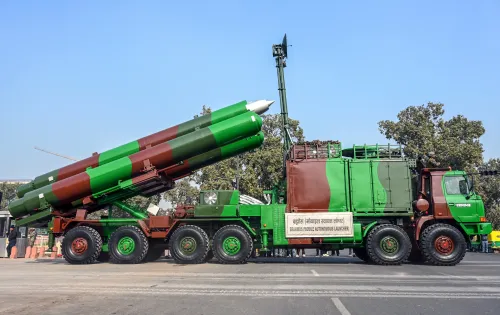
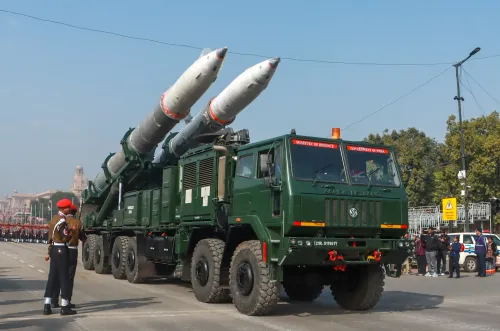
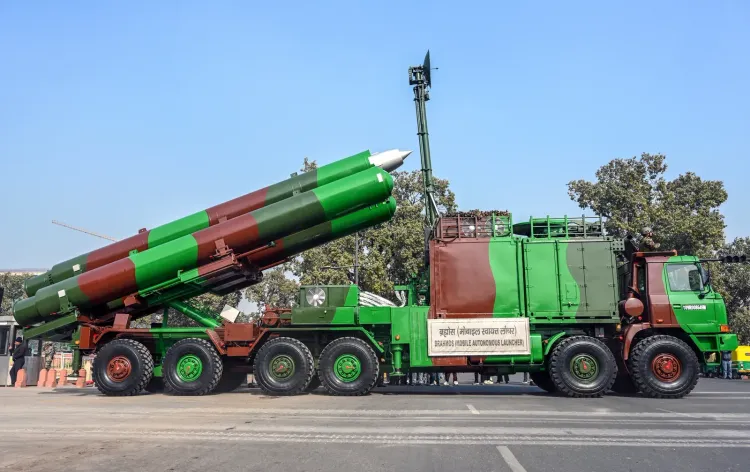
BrahMos was always India's most advanced missile — Operation Sindoor made it the world's most watched. After reportedly evading Chinese-origin air defences and compelling a Pakistani ceasefire, the supersonic cruise missile has triggered a global queue: Vietnam at $629 million, Indonesia at up to $300 million, and a dozen more nations signalling intent. India's defence export story now has a flagship product.
Key Takeaways
BrahMos was used in Operation Sindoor (May 2025) , with at least 15 missiles fired at Pakistani military installations by Indian fighter aircraft.
The missile reportedly evaded Chinese-origin air defence systems deployed by Pakistan, accelerating its global export demand.
Vietnam has signed a deal worth $629 million ; Indonesia has finalised an agreement valued at $200–$300 million .
At least 12 countries across Europe, West Asia, Latin America, and Africa have expressed interest in acquiring BrahMos.
Production is now active at four facilities — Hyderabad, Nagpur, Pilani, and Lucknow — with a combined capacity of at least 4 missiles per month per centre .
Future variants include an underwater-capable version and a miniaturised variant; integration with Tejas and LCA Mk 2 is a stated long-term goal.
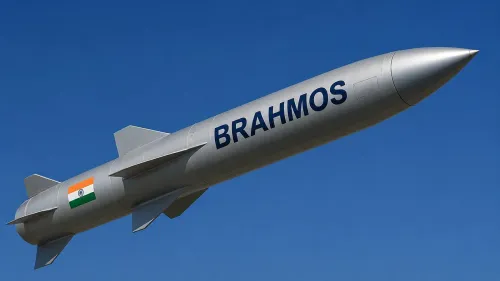
The BrahMos supersonic cruise missile has emerged as India's most sought-after defence export following its combat debut in Operation Sindoor in May 2025, with at least a dozen countries across Europe, West Asia, Latin America, and Africa reportedly expressing interest in acquiring the weapon system, according to a report by The Week. The missile's battlefield performance — including its ability to evade Chinese-origin air defence systems deployed by Pakistan — is credited with accelerating Pakistan's call for a ceasefire.
Combat Performance That Changed the Export Equation
According to the report, at least 15 BrahMos missiles were fired by Indian fighter aircraft during Operation Sindoor, targeting Pakistani military installations without Indian aircraft crossing the international border. Sources quoted in the report said the strikes were executed with precision: 'The accuracy and lethality of the missile strikes were crucial in prompting Pakistan to swiftly call for a ceasefire. BrahMos also demonstrated its ability to evade Chinese-origin air defence systems deployed by Pakistan. That was cue enough for many countries to take keen interest in the missile.'
Operation Sindoor was a military operation conducted by the Indian armed forces against high-value terror targets in Pakistan-occupied Kashmir and Pakistan, in response to the Pahalgam terror attack.
Export Deals Gaining Momentum
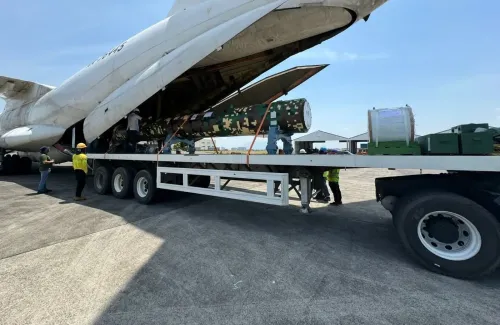
India had already signed a landmark $375-million agreement with the Philippines in January 2022 to supply three BrahMos missile batteries — the missile's first confirmed export. Following Operation Sindoor, negotiations with prospective buyers accelerated sharply.
Vietnam has concluded a deal estimated at $629 million, while Indonesia has finalised an agreement reportedly valued between $200 million and $300 million. Notably, at least a dozen more countries are now in various stages of interest or negotiation, according to the report.
Origins: From a Gap in India's Missile Arsenal
The BrahMos project traces its origins to 1997, when A.P.J. Abdul Kalam — then heading the Defence Research and Development Organisation (DRDO) and the Integrated Guided Missile Development Programme (IGMDP) — identified a critical gap: India's five flagship missile systems (Prithvi, Agni, Akash, Trishul, and Nag) did not include a terrain-hugging cruise missile.
That year, a team of 27 Indian representatives — comprising DRDO scientists, government defence company officials, and private sector delegates — travelled to a military-industrial facility in Reutov, a township outside Moscow. They spent nearly three months evaluating the engine powering Russia's Onyx supersonic cruise missile. Impressed by the technology, New Delhi signed an inter-governmental agreement with Russia in 1998 to establish what would become BrahMos Aerospace.
The programme was fast-tracked after clearance at the highest political level. Within India's defence establishment, it was referred to as the 'JV' — the joint venture between DRDO and Russia's state-owned NPO Mashinostroyeniya. Inside DRDO, it was designated PJ-10.
Production Expansion Across India
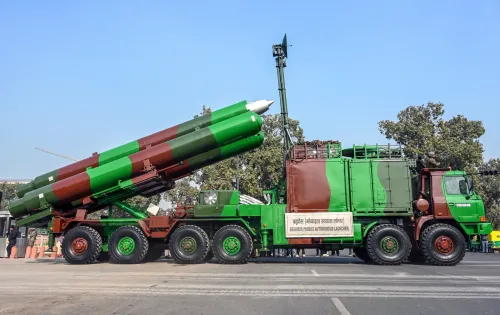
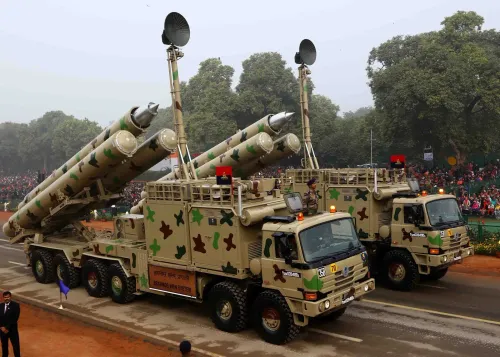
Manufacturing facilities are now operational in Hyderabad, Nagpur, and Pilani, with a newly commissioned facility in Lucknow recently beginning production. All four centres currently have the capacity to manufacture at least four missiles per month, with efforts underway to further expand output in response to rising domestic and international demand — which is reportedly growing faster than current production capacity.
What Comes Next for BrahMos
The Indian government envisions equipping every major naval warship and fighter aircraft with BrahMos. Work is also underway on advanced variants, including a version with underwater capability and a miniaturised variant designed to broaden deployment options. The long-term objective, according to the report, is to pair a fully indigenous BrahMos with India's homegrown platforms — including the Tejas and the upcoming LCA Mk 2 — as part of a broader push toward a self-reliant defence ecosystem.
Point of View
But the bottleneck is now the factory floor, not the order book.
NationPress
23 Sept 2026
Frequently Asked Questions
What role did BrahMos play in Operation Sindoor?
At least 15 BrahMos missiles were reportedly fired by Indian fighter aircraft at Pakistani military installations during Operation Sindoor in May 2025, with aircraft launching strikes without crossing the international border. According to sources cited in The Week report, the missile's accuracy and its ability to evade Chinese-origin air defence systems deployed by Pakistan were key factors in prompting Pakistan to call for a ceasefire.
Which countries have signed BrahMos deals?
The Philippines signed the first export deal in January 2022, worth $375 million for three missile batteries. Following Operation Sindoor, Vietnam concluded a deal estimated at $629 million, and Indonesia finalised an agreement valued between $200 million and $300 million. At least a dozen more countries across Europe, West Asia, Latin America, and Africa have expressed interest.
Where is BrahMos manufactured in India?
BrahMos is currently produced at four facilities — Hyderabad, Nagpur, Pilani, and a newly commissioned plant in Lucknow. Each centre can manufacture at least four missiles per month, with capacity expansion underway to meet growing domestic and international demand.
What is the origin of the BrahMos missile?
BrahMos traces its origins to 1997, when a 27-member Indian delegation visited a facility in Reutov, Russia, to evaluate technology behind the Onyx supersonic cruise missile. An inter-governmental agreement was signed in 1998, leading to the formation of BrahMos Aerospace — a joint venture between India's DRDO and Russia's NPO Mashinostroyeniya.
What are the next developments planned for BrahMos?
Advanced variants under development include an underwater-capable version and a miniaturised variant for broader deployment options. The long-term objective is to integrate a fully indigenous BrahMos with Indian platforms such as the Tejas and the upcoming LCA Mk 2 fighter aircraft.