US must press China on Uyghur, Christian, Tibetan persecution: Brownback
Synopsis
Former US Senator Sam Brownback has gone on record demanding that Washington use its diplomatic leverage — including the Xi-Trump summit — to confront Beijing over the CCP's systematic suppression of Uyghur Muslims, Christians, Tibetans, and Falun Gong practitioners. With allegations of one million Tibetan children separated from families and pastors jailed, the piece frames religious freedom as a central — and largely ignored — fault line in US-China relations.
Key Takeaways
Former US Senator Sam Brownback called on Washington to pressure Beijing to end persecution of Uyghur Muslims , Christians , Tibetans , and Falun Gong practitioners .
Xi Jinping's visit to Washington and his meeting with President Donald Trump failed, according to Brownback, to adequately address China's religious freedom record.
The CCP 's 'sinicization' campaign forces religious leaders to align teachings and institutions with party ideology.
Pastor Ezra Jin of Zion Church was held for roughly a year; eight other Zion Church leaders reportedly remain imprisoned.
Approximately one million Tibetan children are allegedly being separated from families via a CCP-run boarding school system.
Brownback urged US lawmakers to engage openly with the Dalai Lama and Tibet's government in exile and hold Chinese officials accountable.
Former US Senator Sam Brownback has called on Washington to actively pressure Beijing to end its systematic persecution of Uyghur Muslims, Christians, Falun Gong practitioners, and Tibetans — and to hold Chinese Communist Party (CCP) officials accountable for what he describes as severe violations of religious freedom. Writing in an opinion piece for Deseret News, Brownback argued that the United States must sustain support for communities striving to preserve their faith, language, and culture under CCP rule.
Xi-Trump Meeting and the Missed Opportunity
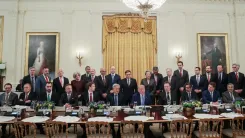
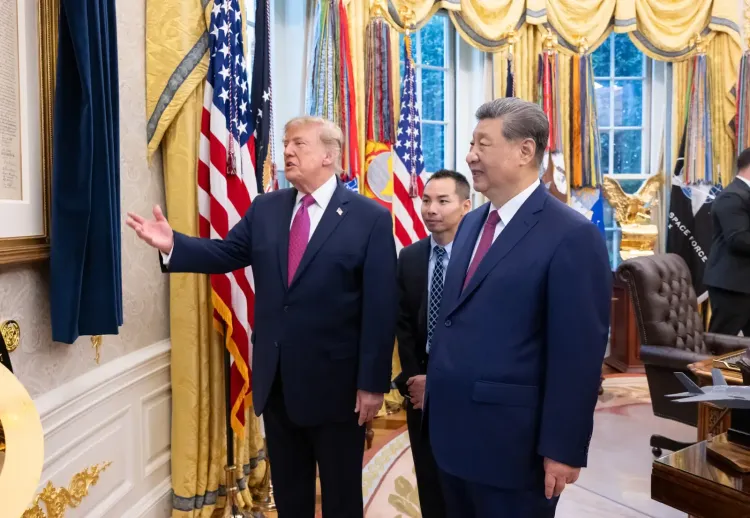
Brownback's remarks came in the context of Chinese President Xi Jinping's recent visit to Washington and his meeting with US President Donald Trump. According to Brownback, the high-profile summit should have drawn greater attention to the millions of people inside China who face government-imposed restrictions on their religious practice and worship. He argued that the bilateral agenda consistently sidelines the human rights dimension of US-China relations.
Under Xi, the CCP has intensified its campaign to 'sinicize' religion across China, compelling religious leaders to reshape their teachings, institutional structures, and leadership to conform with party ideology, Brownback wrote.
Christians Under Pressure to Prioritise Party Over Faith
Christians in China, according to Brownback, face mounting pressure to place loyalty to the CCP above the tenets of their faith. Authorities have reportedly directed churches to display CCP propaganda and rewrite religious texts in line with party doctrine. Pastors who resist face serious consequences — Brownback cited the case of Pastor Ezra Jin of Zion Church, who was detained for approximately a year before being released. Eight additional leaders of Zion Church reportedly remain imprisoned.
Uyghurs, Falun Gong, and the Assault on Minority Faiths
Uyghur Muslims in China have faced what Brownback describes as a broad assault on their faith and cultural identity. Chinese authorities have reportedly destroyed mosques, imposed restrictions on prayer and fasting, and banned religious and cultural dress. Falun Gong practitioners have faced arrest and, according to Brownback, killings.
On Tibet, Brownback noted that following the forced exile of the Dalai Lama and over 80,000 Tibetans in 1959, Beijing has destroyed monasteries, taken action against clergy, and criminalised expressions of Tibetan faith. He further alleged that the CCP has been separating approximately one million Tibetan children from their families through a state-run boarding school system, with the aim of severing their ties to language, culture, and religion.
What Brownback Is Calling For
Brownback outlined a specific set of actions he believes American lawmakers should take. 'The United States should sustain support for communities working to preserve their faith, language, families and culture in the face of Communist Party control. Religious leaders across America can raise their voices together, recognising that an attack on the conscience of one community threatens the freedom of all,' he said.
He added: 'American leaders should engage openly with the Dalai Lama and Tibet's democratically elected government in exile, press Beijing to end its persecution of Uyghur Muslims, Falun Gong practitioners, Tibetans and Christians, and hold Chinese officials accountable for severe violations of religious freedom.'
Broader Context and What Comes Next
This comes amid sustained international scrutiny of China's religious freedom record, with multiple United Nations bodies and Western governments having previously raised concerns about conditions in Xinjiang and Tibet. Critics argue that successive US administrations have allowed trade and geopolitical considerations to dilute pressure on Beijing over human rights. Whether the current administration will translate Brownback's recommendations into formal policy remains to be seen.
Point of View
With no reported public statement on Xinjiang or Tibet, signals to Beijing that the cost of religious repression remains low. The allegations around Tibetan boarding schools — separating an estimated one million children from their families — deserve far more scrutiny than they have received in mainstream diplomatic discourse. Whether this op-ed shifts the needle or remains one voice in a crowded field of advocacy depends entirely on whether it finds traction in Congressional committee rooms rather than opinion pages.
NationPress
30 Sept 2026
Frequently Asked Questions
What is Sam Brownback calling on the US to do regarding China?
Former US Senator Sam Brownback is urging Washington to pressure Beijing to end its persecution of Uyghur Muslims, Christians, Falun Gong practitioners, and Tibetans, and to hold Chinese officials accountable for religious freedom violations. He also wants US lawmakers to engage openly with the Dalai Lama and Tibet's democratically elected government in exile.
What is China's 'sinicization' campaign?
Sinicization is a CCP policy that compels religious leaders and institutions across China to align their teachings, leadership, and practices with Communist Party ideology. Under President Xi Jinping, this campaign has intensified, affecting Christians, Uyghur Muslims, Tibetan Buddhists, and Falun Gong practitioners.
What is happening to Christians in China according to Brownback?
According to Brownback, Chinese authorities are pressuring Christians to place loyalty to the CCP above their faith, directing churches to display party propaganda and rewrite religious texts. Pastors who resist face imprisonment — Pastor Ezra Jin of Zion Church was detained for about a year, and eight other Zion Church leaders reportedly remain imprisoned.
What does the report say about Tibetan children?
Brownback alleged that the CCP is separating approximately one million Tibetan children from their families through a state-run boarding school system, with the stated aim of weakening their connection to Tibetan language, culture, and faith. This is part of a broader pattern that began after the forced exile of the Dalai Lama and over 80,000 Tibetans in 1959.
How does this relate to the Xi-Trump meeting in Washington?
Brownback argued that the recent meeting between Chinese President Xi Jinping and US President Donald Trump in Washington should have spotlighted the religious persecution faced by millions in China, but failed to do so. He contends that high-level US-China diplomacy consistently sidelines human rights concerns in favour of strategic and economic priorities.