CBI withdraws SC transfer pleas in 2021 Bengal post-poll violence cases
Synopsis
The CBI has quietly stepped back from a years-long effort to move the 2021 West Bengal post-poll violence trials out of the state, telling the Supreme Court it no longer wishes to pursue its transfer petitions due to changed circumstances. The withdrawal ends a stay on trial proceedings — but leaves unanswered why the agency reversed course after previously citing witness intimidation and a damning NHRC report.
Key Takeaways
The CBI on 28 October 2026 withdrew petitions in the Supreme Court seeking transfer of 2021 Bengal post-poll violence cases outside West Bengal.
Solicitor General Tushar Mehta cited 'changed circumstances' but gave no further details in court.
The CBI had originally sought transfer due to alleged threats and intimidation of witnesses, officials, and lawyers in West Bengal.
The agency had relied on a 2021 NHRC report recommending trials be held outside the state.
The Supreme Court had previously described the violence against BJP workers as a 'dastardly offence' and a 'grave attack on democracy' in June 2025 .
With the withdrawal, trial proceedings — stayed pending the transfer plea — are now expected to resume in West Bengal courts.
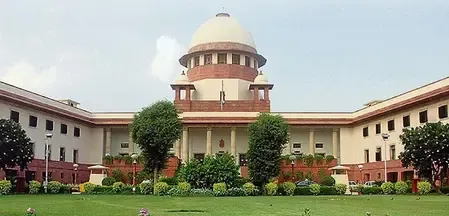
The Central Bureau of Investigation (CBI) on Wednesday, 28 October 2026, withdrew its petitions before the Supreme Court seeking the transfer of cases linked to the 2021 post-poll violence in West Bengal to courts outside the state. The agency told the bench it no longer wished to pursue the matter, citing changed circumstances.
What Happened in Court
Solicitor General Tushar Mehta, appearing on behalf of the CBI, sought permission to withdraw the transfer petitions before a bench comprising Chief Justice of India (CJI) Surya Kant and Justices Joymalya Bagchi and V. Mohana. No further details on the precise nature of the 'changed circumstances' were disclosed in open court.
The Supreme Court had previously stayed trial proceedings in the post-poll violence cases pending before various courts in West Bengal while it considered the CBI's transfer application — a stay that effectively kept the trials in limbo.
Why CBI Had Moved the Supreme Court
The CBI had originally approached the apex court during the tenure of the Mamata Banerjee-led government in West Bengal, contending that threats and intimidation against witnesses, investigating officials, and lawyers were creating an atmosphere unconducive to a fair trial. Additional Solicitor General (ASG) S.V. Raju had, at the time, submitted that officials, advocates, and witnesses were being 'openly threatened and intimidated', thereby obstructing the course of justice.
He had further argued that no effective action appeared to have been taken by state authorities despite the matter being raised with them. The CBI had also relied on a 2021 report by the National Human Rights Commission (NHRC), which had recommended that cases investigated by the central agency be tried outside West Bengal.
Origins of the Cases
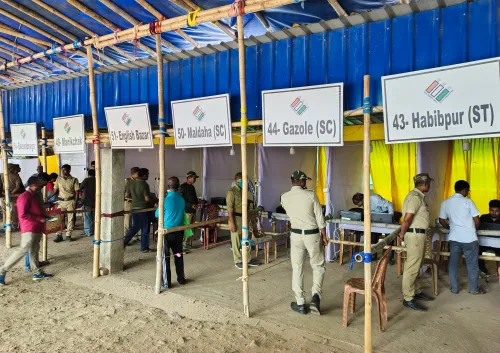
The First Information Reports (FIRs) in these cases were registered following a direction by the Calcutta High Court, which had ordered a CBI probe into post-poll violence incidents. The allegations ranged from murder to crimes against women, and were tied to violence that erupted in the aftermath of the 2021 West Bengal Assembly elections.
Supreme Court's Earlier Observations
In a separate but related development in June 2025, the Supreme Court — while cancelling bail granted to several accused in a post-poll violence case — described the violence against Bharatiya Janata Party (BJP) workers as a 'dastardly offence' and characterised it as 'nothing short of a grave attack on the roots of democracy.' The apex court had also directed the West Bengal Home Secretary and the Director General of Police to ensure adequate protection for the complainant and material witnesses so they could depose during trial without fear or apprehension.
What Happens Next
With the CBI's withdrawal, the trial proceedings — which had been stayed pending the transfer petition — are expected to resume before the courts in West Bengal. The development raises fresh questions about witness protection and the conditions under which these trials will now proceed. Legal observers note that the Supreme Court's earlier protection orders for witnesses remain relevant, and their implementation will be closely watched.
Point of View
Affidavits alleging witness intimidation, and an ASG arguing obstruction of justice before the Supreme Court itself. What changed? If the threat environment improved, the CBI should say so on the record. If it did not, withdrawing the petition while victims and witnesses still await trial raises serious accountability questions. The Supreme Court's June 2025 observation that this violence was a 'grave attack on democracy' now sits awkwardly against an agency that has chosen to quietly exit the field.
NationPress
28 Oct 2026
Frequently Asked Questions
Why did the CBI withdraw its transfer petitions in the Bengal post-poll violence cases?
The CBI told the Supreme Court on 28 October 2026 that it no longer wished to pursue the transfer petitions in view of 'changed circumstances,' but did not elaborate publicly on what specifically had changed. The agency had originally sought the transfer citing threats to witnesses, officials, and lawyers in West Bengal.
What were the 2021 West Bengal post-poll violence cases about?
The cases stem from violence that broke out after the 2021 West Bengal Assembly elections, with allegations including murder and crimes against women. The Calcutta High Court had ordered a CBI probe, leading to FIRs being registered across the state.
What role did the NHRC report play in the CBI's original petition?
The CBI had relied on a 2021 National Human Rights Commission (NHRC) report that recommended cases investigated by the central agency be tried outside West Bengal, citing the prevailing law-and-order situation as a key concern.
What had the Supreme Court said earlier about the post-poll violence?
In June 2025, the Supreme Court described the violence against BJP workers as a 'dastardly offence' and 'nothing short of a grave attack on the roots of democracy' while cancelling bail for several accused. It also directed the West Bengal Home Secretary and DGP to ensure witness protection during trials.
What happens to the trial proceedings now that CBI has withdrawn?
The Supreme Court's earlier stay on trial proceedings in West Bengal courts was linked to the CBI's pending transfer petition. With the withdrawal, those trials are expected to resume before the courts in West Bengal, though the conditions under which witnesses will be protected remain a key concern.