China's panda diplomacy loses sparkle as partner nations dwindle to 16
Synopsis
China's panda diplomacy — long a signature soft-power tool — is losing its shine. Partner nations have dropped from 21 to 16 since 2019, Xi Jinping's latest panda 'gift' to Zoo Atlanta barely registered in US media, and conservationists are calling the rent-a-panda model exploitative. Even Chinese state media is questioning whether the strategy still works.
Key Takeaways
Countries participating in active panda-leasing programmes have fallen from 21 in 2019 to 16 today .
Chinese President Xi Jinping recently gifted a breeding pair — Ping Ping and Fu Shuang — to Zoo Atlanta , drawing little US media attention.
Fewer than 2,000 giant pandas remain in the wild; China claims ownership of almost all of them.
Critics argue China's panda symbolism is tied to the appropriation of Tibetan Plateau heritage, which China annexed in 1950–51 .
Conservationists have criticised the commercial and diplomatic use of a vulnerable species .
Even Chinese state media is reportedly questioning whether panda diplomacy has lost its effectiveness.
China's much-celebrated panda diplomacy is showing signs of diminishing returns, with public interest at panda-hosting zoos reportedly plateauing once the initial novelty fades, and the number of countries participating in active panda-leasing programmes falling from 21 in 2019 to just 16 today. According to a report in Free Malaysia Today, even Chinese state media have begun questioning whether the strategy has lost its effectiveness as a soft-power instrument.
The 'Rent-a-Panda' Model Under Scrutiny
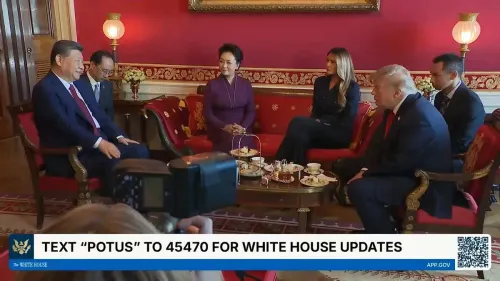
Chinese President Xi Jinping, during a recent visit to Washington, announced that China would send a breeding pair of giant pandas — named Ping Ping and Fu Shuang — to Zoo Atlanta. The animals reportedly arrived within days. However, the announcement drew scant attention from US media, which analysts say is emblematic of the broader fatigue surrounding the diplomatic gesture.
Critics increasingly characterise panda loans as a 'rent-a-panda-pair' programme — a commercial arrangement dressed up as goodwill. Political analysts and lawmakers, according to the report, now regard the loans more as a 'charming distraction' than a meaningful barometer of bilateral relations between China and its partners.
Conservation Concerns and Commercial Exploitation
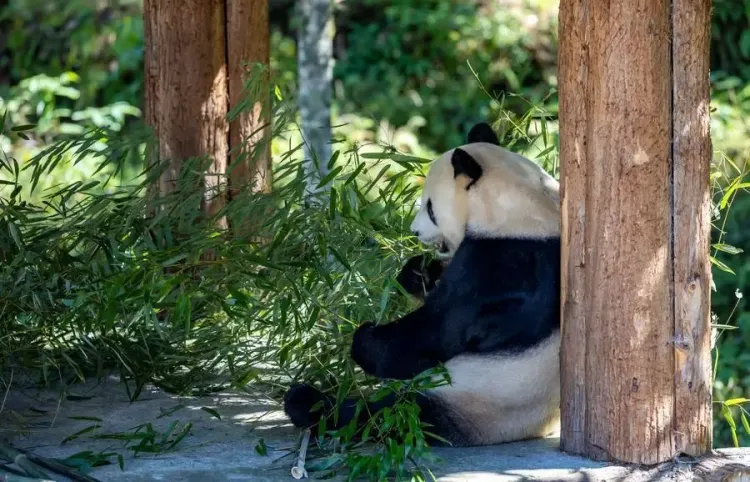
Conservationists have stepped up criticism of the commercialisation and diplomatic deployment of a species they argue deserves protection, not leverage. Fewer than 2,000 giant pandas remain in the wild, and China claims ownership of almost all of them. The giant panda is currently classified as a vulnerable species, while the red panda — a house-cat-sized mammal with a long, bushy tail that also inhabits the Tibetan Plateau — is listed as endangered.
The report further noted a paradox in captive-breeding outcomes: captive-bred pandas reintroduced into the wild tend to perish because they lack critical survival skills, while wild pandas themselves can be aggressive and dangerous.
Tibet, Cultural Appropriation, and the Panda's Origins
The report raised a deeper geopolitical dimension, noting that one of the giant panda's primary natural habitats is Wolong, situated on the steep edge of the Tibetan Plateau. Critics argue that China has sought to systematically dismantle Tibet's cultural identity since annexing the resource-rich region in 1950–51, weaving the Plateau's unique landscape, wildlife, and natural wealth into the mainstream Chinese national narrative.
According to the report, this cultural appropriation extends to cherry-tree cultivation, which Chinese sources have claimed originated not in Japan or Korea but in 'China's Himalayan highlands' — a reference widely understood to mean Tibet. The panda's symbolic ownership, critics say, follows a similar pattern of reframing Tibetan heritage as inherently Chinese.
What the Declining Numbers Signal
The drop from 21 to 16 active panda-leasing nations over roughly six years reflects a combination of rising hosting costs, shifting geopolitical alignments, and growing discomfort among partner countries with the optics of the arrangement. The fact that Chinese state media itself is reportedly revisiting the strategy's efficacy suggests Beijing may be recalibrating its approach to wildlife-based diplomacy.
As soft-power tools face heightened scrutiny globally, observers will be watching whether China refreshes its panda playbook — or quietly retires it.
Point of View
And that value is eroding. Beijing's panda gambit was always more transactional than it appeared — a lucrative leasing arrangement wrapped in goodwill branding — and the conservation community has been saying so for years. The Tibet dimension adds a layer of irony that mainstream coverage routinely sidesteps: China's most beloved diplomatic mascot originates in a region whose cultural identity China has, according to critics, spent decades dismantling. If even state media is questioning the strategy's returns, a quiet rebranding of China's wildlife diplomacy may already be underway.
NationPress
31 Oct 2026
Frequently Asked Questions
What is China's panda diplomacy?
Panda diplomacy is China's practice of loaning giant pandas to overseas zoos as a gesture of goodwill and a soft-power tool. China retains ownership of all loaned pandas and charges significant annual fees, making it a commercial arrangement as much as a diplomatic one.
Why is China's panda diplomacy said to be losing influence?
The number of countries in active panda-leasing programmes has dropped from 21 in 2019 to 16 today, and recent panda 'gifts' — such as the pair sent to Zoo Atlanta — have generated little media interest. Political analysts increasingly regard the loans as a 'charming distraction' rather than a meaningful diplomatic signal.
What are the conservation concerns around panda diplomacy?
Conservationists argue that giant pandas — a vulnerable species with fewer than 2,000 individuals left in the wild — are being commercially exploited for diplomatic purposes. Captive-bred pandas reintroduced into the wild reportedly struggle to survive due to a lack of critical survival skills.
What is the connection between pandas and Tibet?
One of the giant panda's primary natural habitats, Wolong, lies on the Tibetan Plateau — a region China annexed in 1950–51. Critics argue that China's branding of the panda as a Chinese national symbol is part of a broader pattern of incorporating Tibetan landscape, wildlife, and cultural heritage into the Chinese national narrative.
Which pandas did Xi Jinping recently gift to the United States?
During a visit to Washington, President Xi Jinping announced that China would send a breeding pair named Ping Ping and Fu Shuang to Zoo Atlanta. The animals arrived shortly after the announcement, but the gesture received little coverage in US media.