Delhi AQI hits 289 on 19 Nov, smog chokes capital in 'poor' category
Synopsis
Delhi's AQI jumped from 212 to 289 by 8:30 am on 19 November — just days after CAQM lifted Stage III GRAP restrictions following a brief improvement. With JNU logging 367 and ITO at 356, Thursday's readings signal the relief may have been short-lived, and forecasters warned the worst could still be ahead.
Key Takeaways
Delhi's AQI rose from 212 to 289 by 8:30 am on 19 November 2026 , placing it in the 'poor' category per CPCB .
Worst-hit stations included JNU ( 367 ), Sirifort ( 363 ), ITO ( 356 ), and NSUT Jaffarpur ( 358 ).
NCR neighbours were also affected: Gurugram at 271 , Noida at 237 , and Faridabad at 207 .
The CAQM had lifted Stage III GRAP restrictions on Tuesday after a brief improvement; Thursday's spike puts that decision under scrutiny.
The Air Quality Early Warning System had warned on Wednesday that unfavourable meteorological conditions could worsen pollution over the next two days.
Seasonal factors — winter onset, Diwali firecrackers, and stubble burning in Punjab — are cited as the primary drivers of the deterioration.
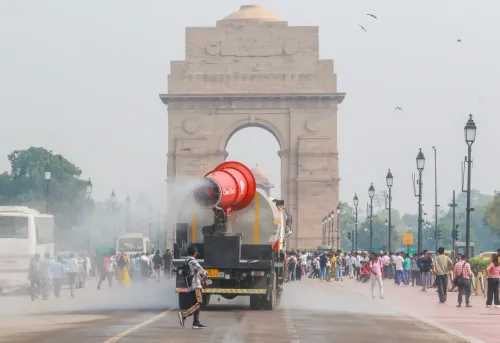
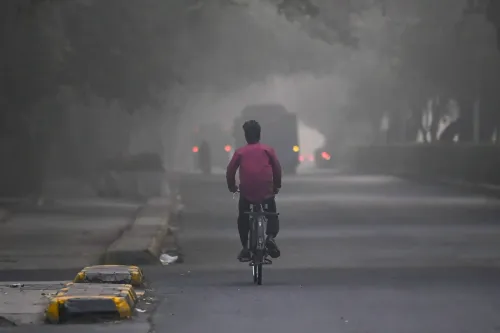
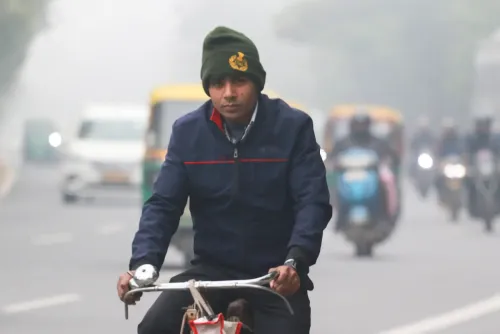
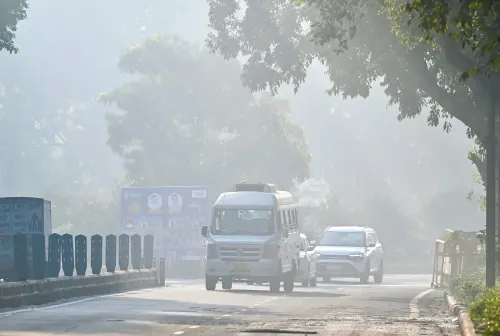
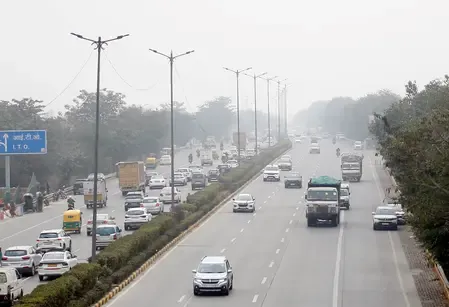
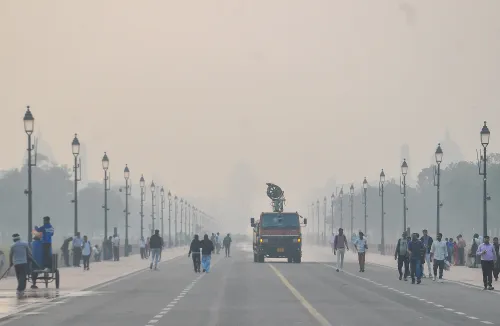
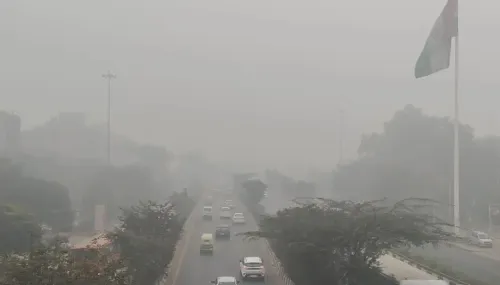
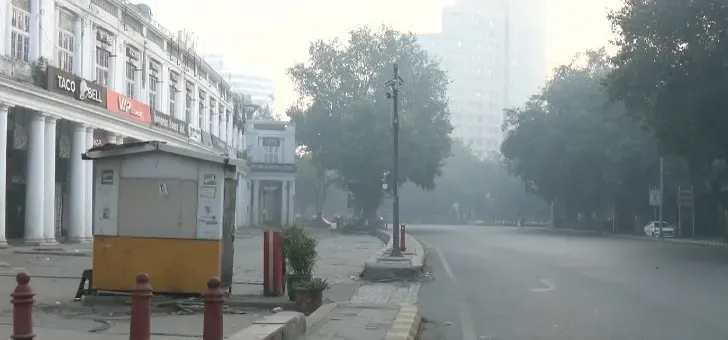
New Delhi's air quality deteriorated sharply on Thursday, 19 November 2026, with the Air Quality Index (AQI) climbing from 212 to 289 by 8:30 am, pushing the city firmly into the 'poor' category, according to the Central Pollution Control Board (CPCB). A dense blanket of smog reduced visibility across the national capital during the early morning hours, compounding already chilly winter conditions.
Monitoring Stations Record Alarming Levels
Data from CPCB monitoring stations painted a grim picture across the city. Among the worst-affected zones, JNU logged an AQI of 367, Sirifort recorded 363, ITO touched 356, and CRRI Mathura Road stood at 347. Other severely impacted stations included NSUT Jaffarpur (358), Commonwealth Sports Complex (350), DTU (344), Talkatora Garden (344), Aya Nagar (325), Mundka (325), Chhawla (320), Burari Crossing (320), and Jahangirpuri (319).
Stations in the 'poor' band included Burari (298), Rohini (295), NIH Narela (297), Karala (286), Nangloi (280), Jharoda Kalan (280), Ghoga (270), Nehru Nagar (311), and Anand Vihar (256).
NCR Neighbours Also Breathing Polluted Air
Neighbouring cities in the National Capital Region (NCR) were similarly affected. Gurugram recorded an AQI of 271, Noida logged 237, and Faridabad stood at 207 — all within the 'poor' classification. The pollution footprint underscores that the crisis extends well beyond Delhi's administrative limits.
Week in Review: A Brief Respite That Did Not Last
On Wednesday, Delhi's average AQI was 232, also in the 'poor' category. The capital had briefly touched its cleanest air of the month on Tuesday, when the AQI fell to 204 — the lowest since 31 October, when it had stood at 117 in the 'moderate' category. Of the 58 monitoring stations that recorded data on Wednesday, 33 reported 'poor' air quality, 20 showed 'moderate' levels, and five fell in the 'very poor' category. Uttam Nagar recorded the worst reading that day at 385, according to official data.
Notably, the Air Quality Early Warning System cautioned on Wednesday that unfavourable meteorological conditions over the following two days could hamper pollutant dispersion, potentially worsening the situation — a warning that Thursday's numbers appear to validate.
GRAP Restrictions: What Was Imposed and What Was Lifted
The Commission for Air Quality Management (CAQM) lifted Stage III restrictions under the Graded Response Action Plan (GRAP) on Tuesday, following a brief improvement in pollution levels. However, Thursday's spike raises fresh questions about whether that rollback was premature. Stage I restrictions had originally come into effect on 21 October, Stage II on 2 November, and Stage III on 6 November after the AQI entered the 'severe' category.
The seasonal pattern is well-established: Delhi's air quality deteriorates sharply with the onset of winter, worsened each year by Diwali firecrackers and stubble burning in neighbouring states, particularly Punjab. This year followed the same trajectory, with a gradual recovery through the preceding week now showing signs of reversal. With meteorological conditions expected to remain unfavourable, authorities and residents face another testing fortnight ahead.
Point of View
Brief lull, renewed deterioration as winter sets in, and reactive policy responses. What is missing is a structural fix — credible stubble-burning alternatives in Punjab and Haryana, enforceable vehicle emission norms, and real-time GRAP triggers tied to forecasts rather than lagging AQI averages. Until those are in place, Thursday's 289 is less a surprise and more a calendar event.
NationPress
19 Nov 2026
Frequently Asked Questions
What is Delhi's AQI today, 19 November 2026?
Delhi's AQI stood at 289 as of 8:30 am on 19 November 2026, placing it in the 'poor' category according to CPCB data. This is a rise from Wednesday's average of 232 and marks a reversal of the brief improvement seen earlier in the week.
Which areas in Delhi have the worst air quality today?
Among the worst-hit monitoring stations on 19 November are JNU (367), Sirifort (363), ITO (356), NSUT Jaffarpur (358), CRRI Mathura Road (347), DTU (344), and Talkatora Garden (344). Most of these fall in the 'very poor' category under CPCB classifications.
What are the CPCB AQI categories and what do they mean?
The CPCB classifies AQI as: 0–50 'good', 51–100 'satisfactory', 101–200 'moderate', 201–300 'poor', 301–400 'very poor', and 401–500 'severe'. An AQI of 289 falls in the 'poor' range, which can cause breathing discomfort for sensitive groups.
What is GRAP and are any restrictions currently in place?
GRAP — the Graded Response Action Plan — is a set of emergency anti-pollution measures activated in stages as Delhi's AQI worsens. The CAQM lifted Stage III restrictions on Tuesday following a brief improvement in air quality, but Thursday's renewed spike could prompt authorities to reimpose stricter curbs.
Why does Delhi's air quality worsen every November?
Delhi's air quality typically deteriorates sharply in November due to a combination of winter meteorological conditions that trap pollutants close to the ground, smoke from Diwali firecrackers, and large-scale stubble burning in neighbouring states, particularly Punjab and Haryana. These factors together overwhelm the city's already-strained air quality every year.