Delhi Assembly to honour WW-I martyrs on April 30, Gen V.K. Singh to chair seminar
Synopsis
The Delhi Assembly chamber — where an imperial Viceroy once rallied India for a war not its own — will host a seminar on 30 April to remember the 74,000-plus Indian soldiers who died in WW-I. The event surfaces a painful historical irony: Gandhi backed British cooperation in 1918 expecting Swaraj; India got the Rowlatt Act and Jallianwala Bagh instead.
Key Takeaways
Mizoram Governor General V.K.
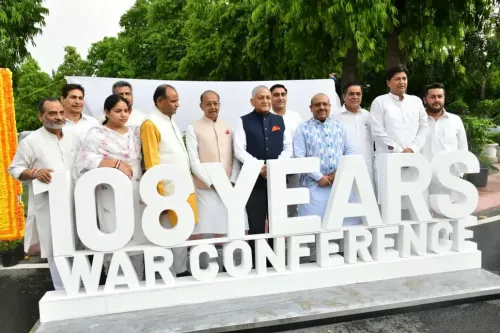
Singh will chair a seminar at the Delhi Assembly on 30 April 2026 , marking the 108th anniversary of the 1918 War Conference.
More than 74,000 Indian soldiers died on foreign soil during World War I ; nearly 13 lakh served the British Empire in total.
Mahatma Gandhi was present at the original 1918 War Conference and supported cooperation with the British, expecting it would lead to Swaraj .
Instead, India received the Rowlatt Act and the Jallianwala Bagh massacre in the aftermath.
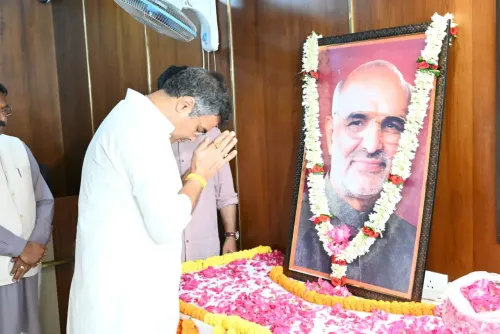
Delhi Assembly Speaker Vijender Gupta led MLAs in a one-minute silence on Tuesday ahead of the formal commemoration.
The Delhi Assembly's Old Secretariat building, constructed in 1912 and designed by E.
Montague Thomas , hosted the first meeting of the Central Legislative Council on 17 January 1913 .
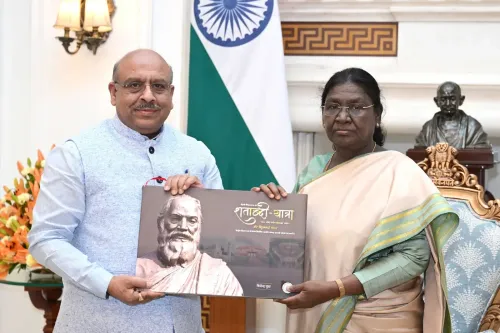
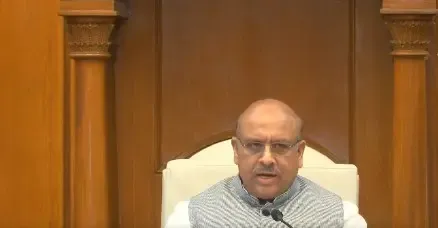
Mizoram Governor General V.K. Singh will chair a seminar at the Delhi Assembly on 30 April 2026 to mark the 108th anniversary of the colonial-era War Conference of 1918, during which Delhi legislators will pay tribute to the more than 74,000 Indian soldiers who laid down their lives in the First World War, an official confirmed on Tuesday. The event will also see General Singh deliver the keynote address and release a publication reproducing the proceedings of the historic 1918 meet.
Background: The 1918 War Conference
On 27, 28 and 29 April 1918, the then Viceroy Lord Chelmsford convened a landmark War Conference in the very chamber that now houses the Delhi Assembly. Nearly 120 representatives assembled, including rulers of princely states, provincial representatives, and national leaders, to deliberate on India's role in the ongoing World War. Notably, Mahatma Gandhi was present at the conference and supported India's full cooperation with the British Empire, believing that India's wartime loyalty would be rewarded with Swaraj — or self-rule.
India's Sacrifice and the Betrayal That Followed
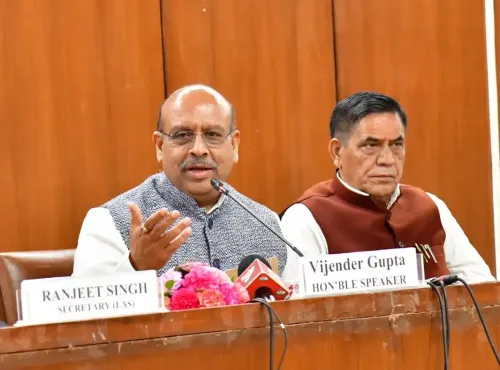
According to Delhi Assembly Speaker Vijender Gupta, nearly 13 lakh Indian soldiers served the British Empire during the First World War, from Flanders to Gallipoli and Mesopotamia. More than 74,000 of them made the ultimate sacrifice on foreign soil. In return, Speaker Gupta said, India received not gratitude but the Rowlatt Act and the Jallianwala Bagh massacre — a bitter historical irony that the seminar seeks to formally acknowledge.
Tuesday's Tribute in the Assembly
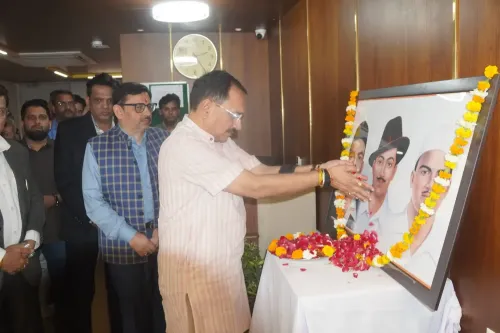
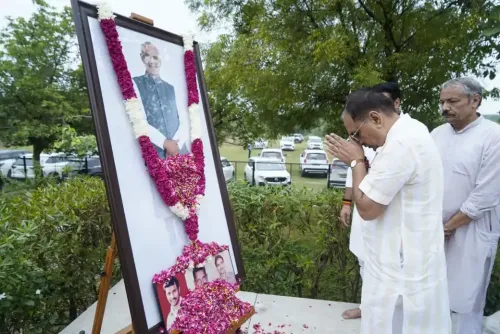
Ahead of the April 30 event, Speaker Vijender Gupta on Tuesday led Delhi MLAs in observing a one-minute silence in honour of the fallen soldiers.
Point of View
000 soldiers died in a war fought for an empire that responded with the Rowlatt Act and Jallianwala Bagh. That Gandhi himself endorsed British cooperation at the 1918 conference, only to be proven catastrophically wrong, is a chapter that mainstream Independence Day narratives routinely gloss over. The Delhi Assembly's decision to formally revisit this history — in the very chamber where it unfolded — is a rare instance of institutional memory confronting inconvenient complexity.
NationPress
7 Oct 2026
Frequently Asked Questions
Why is a seminar being held at the Delhi Assembly on April 30?
The seminar marks the 108th anniversary of the colonial-era War Conference held on 27–29 April 1918 in the same building. It is intended to honour the more than 74,000 Indian soldiers who died in World War I and to formally acknowledge their largely forgotten sacrifice.
What was the 1918 War Conference and why is it significant?
The 1918 War Conference was convened by Viceroy Lord Chelmsford in the Delhi Assembly building, bringing together nearly 120 representatives — including princely rulers and national leaders — to discuss India's role in World War I. Its significance lies in the fact that Mahatma Gandhi attended and backed full cooperation with the British Empire, believing it would lead to Swaraj.
How many Indian soldiers served and died in World War I?
According to Delhi Assembly Speaker Vijender Gupta, nearly 13 lakh Indian soldiers served the British Empire during World War I, across theatres from Flanders to Gallipoli and Mesopotamia. More than 74,000 of them laid down their lives on foreign soil.
Who will lead the April 30 seminar at the Delhi Assembly?
Mizoram Governor General V.K. Singh will chair the seminar and deliver the keynote address. He will also release a publication reproducing the proceedings of the original 1918 War Conference.
What is the historical significance of the Delhi Assembly building itself?
The Old Secretariat building, constructed in 1912 and designed by E. Montague Thomas, hosted the first meeting of the Central Legislative Council on 17 January 1913. Leaders such as Gopal Krishna Gokhale, Bipin Chandra Pal, Madan Mohan Malaviya, Lala Lajpat Rai, and Vitthalbhai Patel all spoke within its walls.