Did Delhi HC Dismiss the Plea Against 'Ghooskhor Pandat' After Netflix's Title Change?
Synopsis
The Delhi High Court has dismissed a plea to halt the release of Netflix's 'Ghooskhor Pandat' after the platform agreed to change its title and remove promotional content. This case raises significant questions about freedom of speech and communal harmony in the context of media representation.
Key Takeaways
The Delhi High Court dismissed the plea against 'Ghooskhor Pandat'.
Netflix agreed to change the film's title.
The controversy centers around alleged defamation of the Brahmin community.
Media representation requires careful consideration of communal sensitivities.
Freedom of speech has its limits in the context of public order.
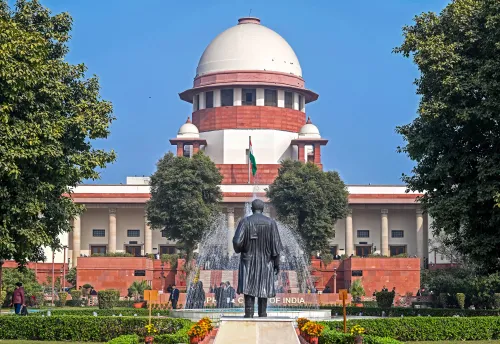
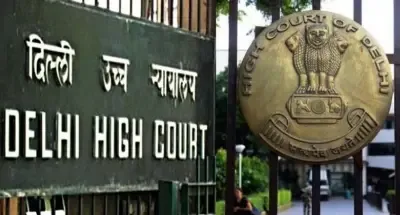
New Delhi, Feb 10 (NationPress) The Delhi High Court on Tuesday dismissed a plea aimed at halting the release and streaming of the forthcoming Netflix film 'Ghooskhor Pandat', after the platform indicated it would revise the film’s title and had already eliminated all promotional materials from social media.
A single-judge panel led by Justice Purushaindra Kumar Kaurav acknowledged the assertions made by Netflix that the contested title would no longer be utilized and that all promotional content featuring the previous name had been removed.
Noting that no further instructions were necessary based on the streaming service's position, the Delhi High Court terminated the petition.
The petition, lodged by lawyer Vineet Jindal, contended that the intended release of the film was problematic because the title 'Ghooskhor Pandat' was defamatory and offensive to communal sentiments, alleging that it maliciously links the term 'Pandat' to corruption and bribery, thereby tarnishing the dignity and reputation of the Brahmin community.
In the writ, petitioner Mahender Chaturvedi argued that 'Pandat' is “historically, culturally, and religiously linked to the Brahmin community and its Acharyas, symbolizing scholarship, ethical behavior, spiritual guidance, and moral authority,” asserting that its inclusion in the disputed title amounts to “collective defamation, stereotyping, and vilification of an entire religious and social community.”
“The contested title wrongfully associates the term 'Pandat' with corruption and bribery, thereby undermining the dignity, reputation, and profession of the petitioner and his community,” the plea emphasized.
Moreover, the petition claimed that the proposed content breaches Articles 14, 21, and 25 of the Constitution, arguing that while the right to free speech under Article 19(1)(a) is constitutionally safeguarded, it does not encompass hate speech, defamation, or material that disrupts communal harmony.
“The right to free speech and expression under Article 19(1)(a) is not absolute and does not cover hate speech, defamation, or content that disturbs communal harmony and public order,” the petition stated.
It was also claimed that the lack of adequate regulatory oversight in the OTT space allows platforms to promote “sensationalism and vilification of communities for commercial gain,” and that inaction would signify a failure of constitutional responsibility to uphold fraternity, secularism, and public order.
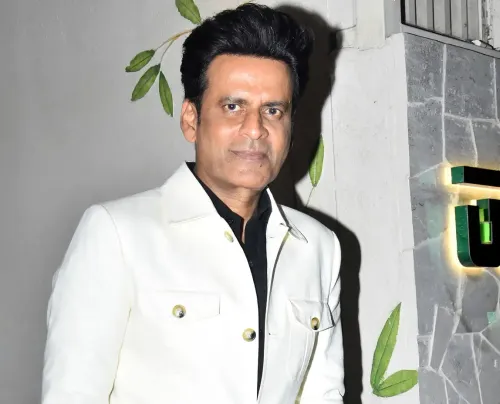
Actor Manoj Bajpayee responded to the concerns regarding the film's title, clarifying that the movie is not intended as a commentary on any specific community.
Point of View
It's crucial to recognize the delicate balance between creative freedom and communal sensitivities. The Delhi High Court's decision reflects a growing awareness of the responsibilities that come with content creation, particularly in a diverse nation like India. While freedom of expression is paramount, it must be exercised with an understanding of its potential consequences on societal harmony.
NationPress
5 Oct 2026
Frequently Asked Questions
What was the main issue in the plea against 'Ghooskhor Pandat'?
The plea contested the film's title, claiming it was defamatory and offensive to the Brahmin community, associating the term 'Pandat' with corruption.
Why did the Delhi High Court dismiss the plea?
The court dismissed the plea after Netflix confirmed it would change the title and had already removed promotional materials related to it.
What legal articles were cited in the petition?
The petition referenced Articles 14, 21, and 25 of the Constitution, arguing that the title violated these rights.
How did Manoj Bajpayee respond to the controversy?
Manoj Bajpayee clarified that the film is not intended to target any specific community.
What does this case indicate about media representation?
This case highlights the ongoing tension between creative expression and the need for responsible media representation in a diverse society.