El Niño impact 'very severe' in Telangana, peak expected by February 2027
Synopsis
Telangana's Chief Secretary has declared El Niño's impact on the state 'very severe' — with the worst still to come by February 2027. Reservoir levels at Singur and Manjira are falling, groundwater is declining, and the next 15-20 days are being flagged as critical for standing crops. A cabinet meeting Thursday evening signals the government is treating this as a state-level emergency.
Key Takeaways
Telangana Chief Secretary Sanjay Jaju described El Niño's impact as 'very severe' on 15 October 2026 , with peak conditions expected by February 2027 .
Temperatures have risen by 2 to 3 degrees Celsius and monsoon performance has been significantly affected.
Water levels at Singur and Manjira reservoirs are declining, threatening drinking water supply to Hyderabad and four districts.
Nodal officers are being deployed to every district; Agriculture, Electricity, and Irrigation departments directed to coordinate on the ground.
The next 15 to 20 days have been flagged as critical for standing crops, with the issue set for discussion at a cabinet meeting Thursday evening .
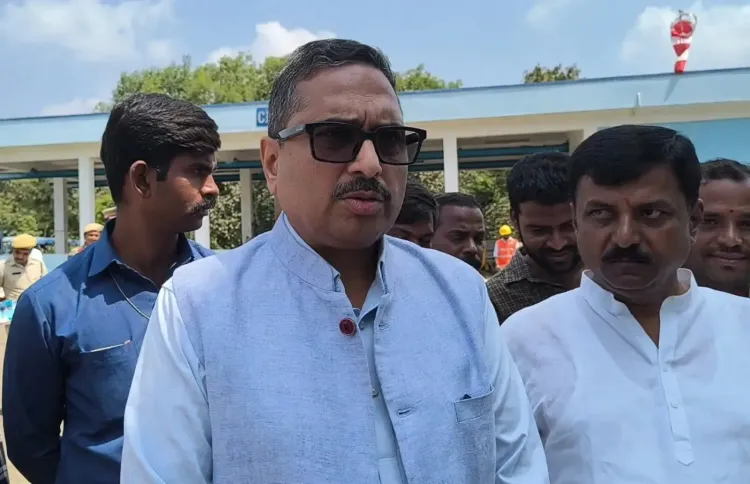
Telangana Chief Secretary Sanjay Jaju on Thursday, 15 October 2026, described the impact of El Niño on the state as 'very severe', warning that conditions are expected to worsen and reach their peak by February 2027. The assessment came after Jaju undertook a field visit to Sangareddy district to personally inspect the effect of shifting weather patterns on water availability and standing crops.
What the Chief Secretary Found on the Ground
During his field visit, Jaju inspected water levels at the Singur and Manjira reservoirs, both of which are reporting declining storage. He noted that the monsoon has been significantly disrupted by El Niño, with temperatures rising by 2 to 3 degrees Celsius above normal levels. Groundwater levels across the state have also fallen sharply, raising the risk of water scarcity even in areas with electricity supply for pump-sets.
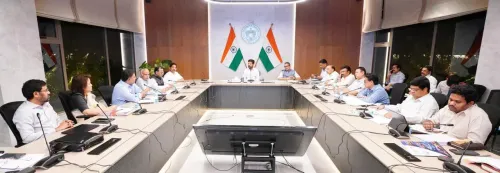
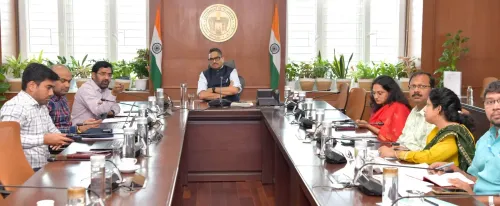
The Chief Secretary held a review meeting with senior officials to evaluate the implementation of the government's contingency plans, particularly for ensuring an uninterrupted drinking water supply to Hyderabad and the districts of Sangareddy, Kamareddy, Nizamabad, and Medak.
Key Directives Issued
Jaju issued a series of operational directives following the inspection. He instructed officials to prioritise drinking water needs over other uses, given the declining groundwater situation, and urged all departments — particularly Agriculture, Electricity, and Irrigation — to work in close coordination. He also directed nodal officers to be deployed to every district, where they will function under the supervision of the respective District Collector.
Noting that the next 15 to 20 days represent a critical window for standing crops, the Chief Secretary urged farmers to remain vigilant and directed Agriculture Department officials to provide ground-level guidance. He further instructed the Electricity Department to ensure uninterrupted power supply to meet agricultural needs.
Cabinet Meeting Called to Address Crisis
Jaju confirmed that the El Niño situation and its cascading effects on water availability and agriculture will be discussed at a cabinet meeting scheduled for Thursday evening. This signals that the Telangana government views the developing climate event as a state-level emergency requiring coordinated policy action, not merely administrative response.
Officials were also instructed to personally engage with farmers and local residents to assess ground-level needs and raise public awareness about the proactive steps being taken by the government.
Broader Context and What Lies Ahead
El Niño events are associated with suppressed rainfall over the Indian subcontinent, driving below-normal monsoon deficits and elevated temperatures. Telangana, heavily dependent on reservoir-fed irrigation and groundwater for both drinking water and agriculture, is acutely vulnerable to such climate shocks. The Singur and Manjira reservoirs are critical sources for Hyderabad's water supply — making any shortfall there a concern not only for farmers but for millions of urban residents.
With peak El Niño conditions reportedly still months away, the next few weeks of crop management and water conservation will be decisive for the state's agricultural and civic water security going into early 2027.
Point of View
Declining groundwater, and a monsoon already disrupted by El Niño is a compounding risk that standard drought protocols may not be designed to handle. The focus on the next 15-20 days for standing crops is telling: if that window closes badly, the downstream impact on farm incomes and the rabi sowing season could be severe. And with peak El Niño still months away, Thursday's directives may be only the first of several escalating interventions.
NationPress
15 Oct 2026
Frequently Asked Questions
What is El Niño and why is it affecting Telangana?
El Niño is a periodic warming of the central and eastern Pacific Ocean that typically suppresses monsoon rainfall over India, leading to below-normal precipitation, higher temperatures, and water stress. Telangana is particularly vulnerable because its agriculture and drinking water supply depend heavily on reservoir storage and groundwater, both of which are declining due to the current El Niño event.
When is El Niño expected to peak in Telangana?
According to Chief Secretary Sanjay Jaju, El Niño is expected to reach its peak by February 2027. He described current conditions as 'very severe', with temperatures already up by 2 to 3 degrees Celsius.
Which areas face a drinking water risk due to the El Niño impact?
The primary concern is Hyderabad and the districts of Sangareddy, Kamareddy, Nizamabad, and Medak, all of which depend significantly on the Singur and Manjira reservoirs. Both reservoirs are reporting declining water storage levels.
What measures is the Telangana government taking?
The government is deploying nodal officers to every district, directing Agriculture, Electricity, and Irrigation departments to coordinate, prioritising drinking water supply, and instructing officials to guide farmers through the critical next 15-20 days. The situation is also being discussed at a cabinet meeting on Thursday evening.
Why are the next 15-20 days considered critical for crops?
Standing crops are at a vulnerable stage, and the combination of heat stress, reduced water availability, and declining groundwater levels could cause significant yield losses if not managed immediately. Chief Secretary Jaju has urged farmers to remain vigilant and directed agriculture officials to provide ground-level support.