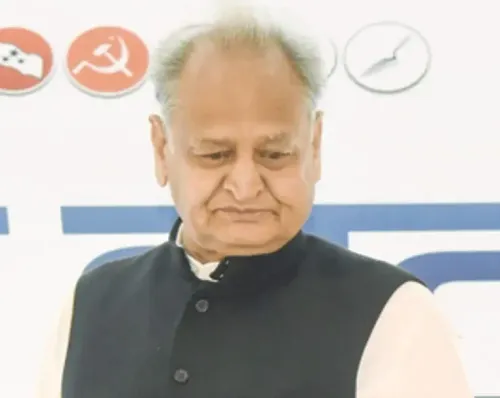
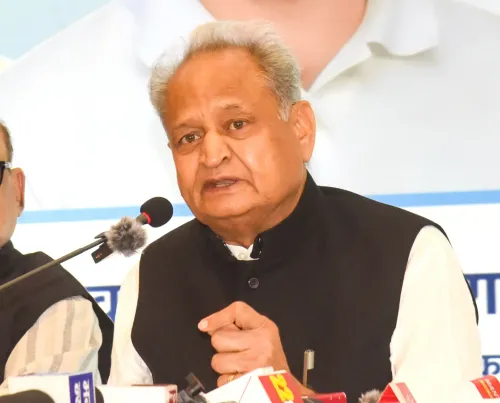
Ashok Gehlot urges Rajasthan CM to revive Udan Scheme on Menstrual Hygiene Day
Synopsis
On Menstrual Hygiene Day, former Rajasthan CM Ashok Gehlot publicly pressured incumbent CM Bhajan Lal Sharma to revive the Congress-era Udan Scheme — a free sanitary napkin programme that once reached millions of women but has remained stalled since the BJP came to power. With the Supreme Court also weighing in on menstrual hygiene, the political and legal pressure on the state government is building simultaneously.
Key Takeaways
Ashok Gehlot wrote to CM Bhajan Lal Sharma on 28 May , demanding revival of the Udan Scheme on Menstrual Hygiene Day .
The 'I Am Shakti Udan Scheme' , launched in 2021 by the Congress government, provided free sanitary napkins monthly to millions of Rajasthan women.
Gehlot warned that disruption of the scheme is forcing rural and low-income women toward unsafe menstrual alternatives, increasing infection risk.
He called on the state government to comply with recent Supreme Court directives on menstrual hygiene and expand scheme coverage.
The BJP -led Rajasthan government is yet to respond to the letter.
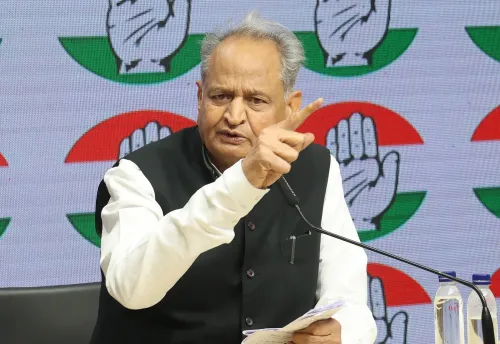
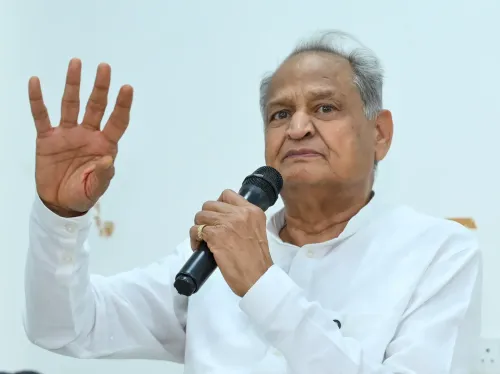
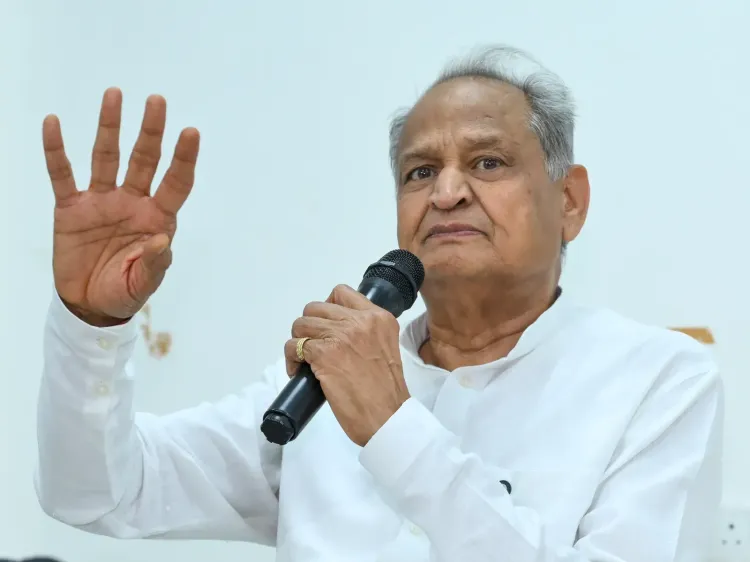
Former Chief Minister Ashok Gehlot on 28 May wrote to Rajasthan Chief Minister Bhajan Lal Sharma, demanding the immediate resumption of the free sanitary napkin distribution programme under the 'I Am Shakti Udan Scheme'. The letter, timed to coincide with Menstrual Hygiene Day, underscores growing concern over the prolonged stalling of a programme that once served millions of women and girls across the state.
What Gehlot Said
In his letter, Gehlot warned that the continued unavailability of free sanitary napkins is pushing adolescent girls and women — particularly in rural and economically weaker sections — toward unsafe alternatives, raising the risk of infections and long-term health complications. He described menstrual hygiene as 'not merely a welfare issue but a matter of women's health, dignity, and equality.'
'No girl or woman should be compelled to compromise her health because of lack of access to basic menstrual hygiene products,' Gehlot said.
Background: The Udan Scheme
The Congress government launched the 'I Am Shakti Udan Scheme' in 2021 with the stated aim of ensuring menstrual hygiene and dignity for women and girls across Rajasthan. At its peak, the initiative provided free sanitary napkins every month to millions of beneficiaries statewide. Gehlot credited the scheme with significantly improving menstrual health awareness and reducing social stigma. 'The scheme launched during our government was designed to empower women and ensure their health and confidence. It is unfortunate that such an important initiative has remained stalled for a long time,' he stated.
Key Demands
The former Chief Minister made three specific demands of the Bhajan Lal Sharma-led state government: restart the Udan Scheme comprehensively; ensure compliance with recent Supreme Court directives on menstrual hygiene; and expand the programme's coverage to all women in Rajasthan. He also called for widespread awareness campaigns in schools, colleges, and rural areas to promote menstrual health education.
Wider Context
This comes amid renewed national attention to menstrual health policy, with the Supreme Court having issued directions on the subject in recent months. Rajasthan's Udan Scheme had been cited as a model state-level intervention before its disruption. Critics argue that allowing such programmes to lapse — even through administrative delays — disproportionately harms girls in low-income households who have no private alternative. 'Menstrual hygiene must be treated as a public health priority. The government should act with urgency and sensitivity so that every woman and girl in Rajasthan has access to safe and hygienic menstrual care,' Gehlot added.
The state government is yet to formally respond to the letter. Whether the Bharatiya Janata Party (BJP)-led administration chooses to revive, redesign, or ignore the Congress-era scheme will be watched closely by health advocates and opposition leaders alike.
Point of View
Precisely because they lack a vocal constituency. The Supreme Court's recent directives give this demand a legal edge that the BJP government cannot easily dismiss. The harder question is whether the Udan Scheme, if revived, will be structurally improved — with supply-chain accountability and last-mile delivery audits — or simply restarted as a headline number.
NationPress
11 Oct 2026
Frequently Asked Questions
What is the Udan Scheme in Rajasthan?
The 'I Am Shakti Udan Scheme' is a Rajasthan government programme launched in 2021 by the then-Congress government to distribute free sanitary napkins to women and girls across the state. At its peak, it served millions of beneficiaries every month, with a focus on rural and economically weaker sections.
Why has Ashok Gehlot written to CM Bhajan Lal Sharma?
Gehlot wrote on 28 May, Menstrual Hygiene Day, urging the BJP-led state government to immediately resume the Udan Scheme, which he says has been stalled since the change of government. He cited health risks — including infections from unsafe alternatives — facing rural women due to the disruption.
What are the health risks linked to the scheme's disruption?
According to Gehlot's letter, the non-availability of free sanitary napkins is compelling adolescent girls and women, particularly in rural and low-income households, to use unsafe alternatives. This increases the risk of reproductive tract infections and long-term health complications.
What has the Supreme Court said about menstrual hygiene?
Gehlot referenced recent Supreme Court directives on menstrual hygiene in his letter, calling on the Rajasthan government to ensure compliance. The specific directives were not detailed in the letter, but their citation adds a legal dimension to the demand for the scheme's revival.
Has the Rajasthan government responded to Gehlot's letter?
As of 28 May, the BJP-led Rajasthan government had not issued a formal response to Gehlot's letter. Whether it will revive, redesign, or decline to restart the Congress-era scheme remains to be seen.