Gujarat's dairy scheme gives ₹162 crore to 29,500 tribal women in 3 years
Synopsis
Gujarat's Integrated Dairy Development Scheme has quietly scaled up into a significant livelihood intervention — disbursing ₹162.28 crore to over 29,500 tribal women in just three years and distributing nearly 1.96 lakh milch animals since 2007-08. With ₹65 crore earmarked for 2026-27 and a loan-repayment incentive unlocking access to a second animal, the state is betting on dairy farming as a sustainable check on tribal migration.
Key Takeaways
Gujarat's Integrated Dairy Development Scheme disbursed ₹162.28 crore to over 29,500 tribal women across three years (2023-24 to 2025-26).
For 2026-27 , the state has allocated ₹65 crore to benefit 11,206 additional women at ₹58,000 per beneficiary .
Each animal unit costs ₹90,000 , funded via a ₹29,000 Central subsidy , ₹29,000 state assistance , a ₹29,000 loan , and a ₹3,000 beneficiary contribution .
Beneficiaries repaying over 60% of their loan become eligible for a second milch animal .
The scheme has distributed more than 1.96 lakh milch animals since its launch in 2007-08 across 14 tribal districts .
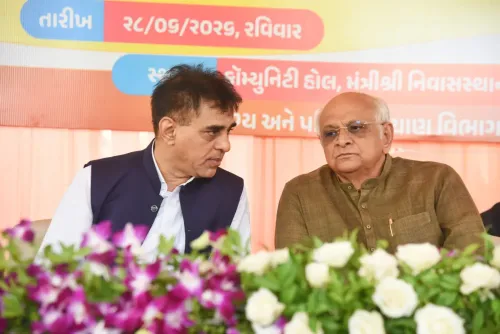
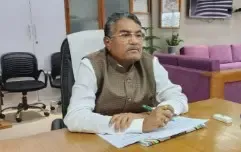
It is implemented under Chief Minister Bhupendra Patel and overseen by Tribal Development Minister Naresh Patel .
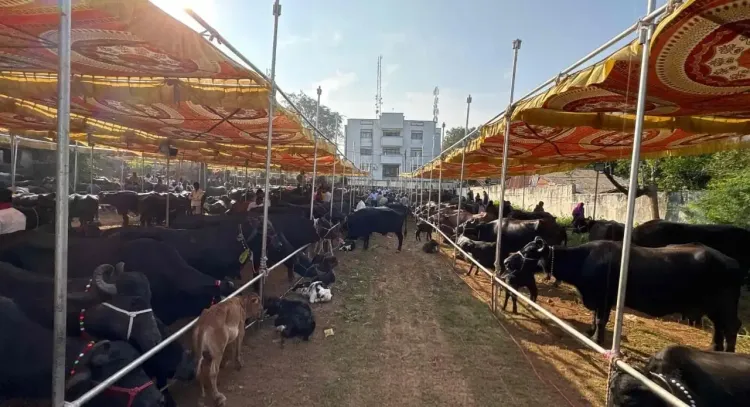
More than 29,500 tribal women across Gujarat have received animal husbandry assistance worth ₹162.28 crore over the past three years under the state government's Integrated Dairy Development Scheme, which provides financial support to help women from below-poverty-line tribal households establish dairy-based livelihoods, according to an official statement released on Tuesday, 27 October 2026. The scheme, active across 14 tribal districts of Gujarat, has distributed more than 1.96 lakh milch animals since its launch in 2007-08.
Year-on-Year Growth in Beneficiaries
The scheme has seen a sharp rise in coverage over recent years. In 2023-24, 6,860 women received assistance worth ₹30.87 crore. That figure more than doubled the following year, with 13,616 beneficiaries receiving ₹78.97 crore in 2024-25. In 2025-26, 9,042 women received support worth ₹52.44 crore. For the current financial year 2026-27, the state has allocated ₹65 crore to extend benefits to 11,206 additional women, with assistance of ₹58,000 per beneficiary, according to the Tribal Development Department.
How the Funding Structure Works
Each animal unit under the scheme is valued at ₹90,000, covering the purchase of a milch animal, insurance, transportation, cattle feed, veterinary treatment, and specialised vocational training. The funding is split across four sources: a loan of ₹29,000, a Central government subsidy of ₹29,000, state government assistance of ₹29,000, and a beneficiary contribution of ₹3,000. Eligible women can apply online through the Tribal Development Office in their respective districts.
Incentive-Linked Access to a Second Animal
The scheme builds in a loan-repayment incentive to expand its impact. A beneficiary who repays more than 60 per cent of her loan in timely instalments — using income earned from the first milch animal — becomes eligible to receive a second animal. This arrangement is designed to progressively increase milk production and household income. Beneficiaries also receive training in scientific animal husbandry and are encouraged to supply milk regularly to local dairy cooperatives.
Broader Goals: Reducing Migration, Supporting Families
The scheme targets tribal women from families with poverty scores ranging from zero to 20. By anchoring dairy farming close to home, the initiative aims to provide more stable household income and reduce dependence on seasonal migration for work — a persistent challenge in tribal belt districts. According to the state government, the programme is intended to help beneficiaries meet household expenses, fund children's education, and manage healthcare costs through dairy income.
Government Oversight
The scheme is being implemented under Chief Minister Bhupendra Patel, with Tribal Development Minister Naresh Patel overseeing the department's initiatives. The programme's steady expansion over three years points to sustained state-level commitment to welfare-linked livelihood schemes in Gujarat's tribal regions. Whether the current-year target of 11,206 beneficiaries is met on schedule will be a key indicator of on-ground delivery capacity.
Point of View
860 in 2023-24 to 13,616 in 2024-25 — is striking, but the dip to 9,042 in 2025-26 raises questions about whether outreach plateaued or disbursement capacity hit a ceiling. The loan-repayment-linked second animal is a structurally sound incentive, but it also means the most marginalised women — those least likely to repay on time — may be locked out of the scheme's full benefit. Gujarat's tribal districts have long struggled with migration; whether dairy income is actually reducing that movement, or merely supplementing it, remains unverified in the official data presented.
NationPress
27 Oct 2026
Frequently Asked Questions
What is Gujarat's Integrated Dairy Development Scheme?
It is a state government programme launched in 2007-08 that provides financial assistance to tribal women from below-poverty-line families to purchase milch animals and establish dairy-based livelihoods. Each animal unit is valued at ₹90,000 and is funded through a combination of Central and state subsidies, a loan, and a small beneficiary contribution.
How much has Gujarat spent on the scheme in the last three years?
The state disbursed ₹162.28 crore to over 29,500 tribal women between 2023-24 and 2025-26. An additional ₹65 crore has been allocated for 2026-27 to cover 11,206 more beneficiaries.
Who is eligible to apply under the scheme?
Tribal women from below-poverty-line families with poverty scores between zero and 20 are eligible. The scheme is implemented across 14 tribal districts of Gujarat, and applications can be submitted online through the local Tribal Development Office.
How can a beneficiary receive a second milch animal?
A beneficiary becomes eligible for a second animal once she repays more than 60 per cent of her initial loan in timely instalments using income earned from her first milch animal. The arrangement is designed to encourage loan repayment and progressively increase dairy output.
What training and support do beneficiaries receive?
Beneficiaries receive training in scientific animal husbandry and animal care, with guidance on regularly supplying milk to local dairy cooperatives. The ₹90,000 unit cost also covers insurance, transportation, cattle feed, and veterinary treatment for the animal.