Gujarat gives ₹14.57 crore free treatment to 14,925 sickle cell patients in 4 years
Synopsis
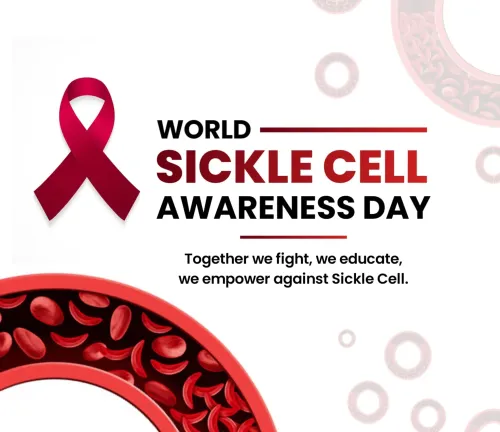
Gujarat has quietly built one of India's more comprehensive state-level responses to sickle cell anaemia — ₹14.57 crore in free treatment for nearly 15,000 patients over four years, backed by mass screening, ASHA-led awareness drives, and strengthened referral chains in tribal areas. The effort runs in tandem with the Centre's 2047 elimination mission, and its execution model could set the benchmark for other high-burden states.
Key Takeaways
The Gujarat government provided ₹14.57 crore in free medical assistance to over 14,925 sickle cell anaemia patients between 2023-24 and 2026-27 .
Support is delivered under the state's Free Medical Assistance Scheme , administered by the Tribal Development Department .
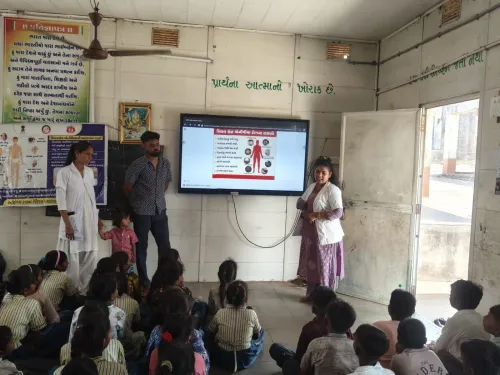
Large-scale screening campaigns are active across tribal regions, with ASHA workers and local officials conducting rural awareness drives.
Referral mechanisms and higher-level treatment facilities have been strengthened for patients needing advanced care.
The programme runs in coordination with the Central government's national mission to eliminate sickle cell anaemia by 2047 .
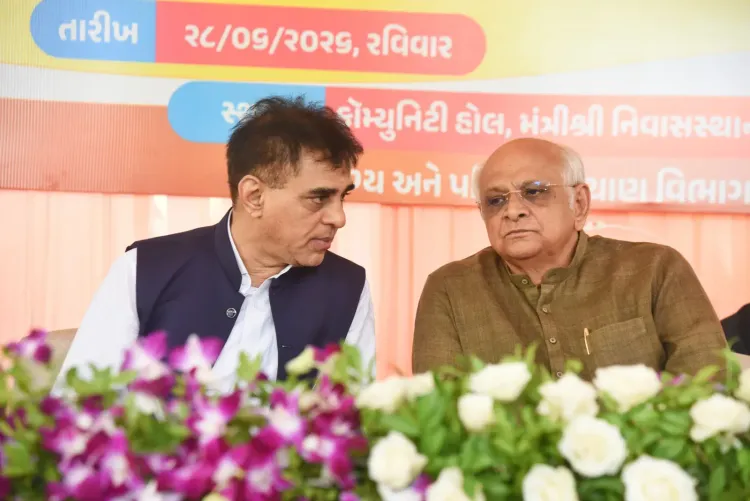
The Gujarat government has extended more than ₹14.57 crore in free medical assistance to over 14,925 sickle cell anaemia patients across four financial years — from 2023-24 to 2026-27 — under its Free Medical Assistance Scheme, with a sharp focus on tribal communities where the inherited blood disorder is most prevalent. The data was released by the state's Tribal Development Department on 7 August.
Scale of the Programme
The financial support is channelled through a dedicated scheme designed to reduce the out-of-pocket burden on patients managing a chronic, lifelong condition. Over the four-year period, the average assistance works out to roughly ₹97,600 per patient, covering medicines, specialist consultations, and referral costs.
Beyond direct cash support, the state has embedded sickle cell care within a broader public health framework. Diagnosed patients receive regular medication, continuous follow-up care, and access to specialist guidance — a protocol intended to prevent the acute crises that make sickle cell anaemia particularly debilitating.
Screening and Awareness in Tribal Regions
Large-scale screening campaigns are being conducted across tribal regions of Gujarat to enable early detection, which is critical for managing the disease before complications develop. ASHA workers, healthcare personnel, and local administrative authorities are jointly conducting awareness drives in rural and remote areas to encourage timely diagnosis and treatment.
'Awareness campaigns are also being carried out in rural and remote areas through coordinated efforts involving ASHA workers, healthcare personnel and local administrative authorities. These campaigns are intended to improve public awareness of the disease and encourage timely diagnosis and treatment,' an official said.
Strengthened Referral Infrastructure
For patients requiring advanced intervention, the government has reportedly strengthened referral mechanisms and higher-level treatment facilities to ensure timely access to quality healthcare. This addresses a longstanding gap in tribal health infrastructure, where distance from tertiary hospitals has historically delayed critical care.
Alignment with the National Mission
Gujarat's state-level efforts are being undertaken in coordination with the Central government's national mission for the elimination of sickle cell anaemia, which was formally launched in 2023 with a target of eliminating the disease by 2047. The Health Department and the Tribal Development Department are jointly executing the programme, with the state committing to intensify and expand these efforts in coming years.
Sickle cell anaemia disproportionately affects tribal populations across India, and Gujarat's tribal belt has historically recorded high prevalence. With screening, early diagnosis, and sustained treatment now running in parallel, the state's integrated approach is being watched as a potential model for other high-burden states.
Point of View
But the more important signal is structural: Gujarat is attempting to integrate financial assistance, community screening, and referral infrastructure into a single pipeline — something most state health programmes do not manage. The real test is coverage depth: with sickle cell prevalence in some Gujarat tribal districts running well above the national average, 14,925 patients over four years may still represent a fraction of the undiagnosed burden. The coordination with the Centre's 2047 elimination mission adds political momentum, but elimination targets without verifiable prevalence data and outcome tracking risk becoming aspirational rather than operational.
NationPress
22 Sept 2026
Frequently Asked Questions
How much has Gujarat spent on free sickle cell anaemia treatment?
The Gujarat government has provided more than ₹14.57 crore in free medical assistance to over 14,925 sickle cell anaemia patients across four financial years from 2023-24 to 2026-27. The support covers medicines, specialist consultations, and referral costs under the state's Free Medical Assistance Scheme.
Who benefits from Gujarat's sickle cell free treatment scheme?
The scheme primarily targets tribal communities in Gujarat, where sickle cell anaemia is disproportionately prevalent. Patients receive regular medication, follow-up care, and access to specialist guidance, with a focus on early diagnosis through large-scale screening campaigns in tribal regions.
How is Gujarat conducting sickle cell awareness in rural areas?
The state is running coordinated awareness campaigns in rural and remote areas involving ASHA workers, healthcare personnel, and local administrative authorities. These drives aim to improve public awareness and encourage timely diagnosis and treatment of the disease.
Is Gujarat's programme linked to the national sickle cell elimination mission?
Yes. Gujarat's state-level efforts are being carried out in coordination with the Central government's national mission for the elimination of sickle cell anaemia, which targets elimination by 2047. The state's Health Department and Tribal Development Department are jointly executing the programme.
What happens when sickle cell patients in Gujarat need advanced treatment?
The state has strengthened referral mechanisms and higher-level treatment facilities to ensure patients requiring advanced medical intervention receive timely access to quality healthcare. This addresses the gap in tertiary care access historically faced by tribal communities.