Gurugram electric buses: CM Saini flags off 100 e-buses, fleet hits 250
Synopsis
Gurugram's city bus network started in 2018 with just 25 buses. With 100 new e-buses flagged off by CM Nayab Singh Saini, it now has 250. A ₹17 crore Sector 48 depot and plans for 450 mini-buses across seven cities signal Haryana's push towards electric public transport.
Key Takeaways
Haryana CM Nayab Singh Saini flagged off 100 electric buses in Gurugram on 28 November 2026 , to run on 20 routes .
The GMCBL fleet rises from 150 CNG buses to 250 in total.
A new ₹17 crore e-bus depot in Sector 48 is Haryana's third electric bus depot.
Haryana has 160 e-buses in 10 cities and aims for 375 by year-end.
450 mini-buses are planned for seven cities under the PM-eBus Sewa Scheme , which targets 10,000 e-buses nationwide.
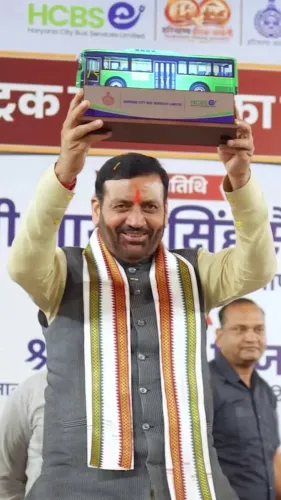
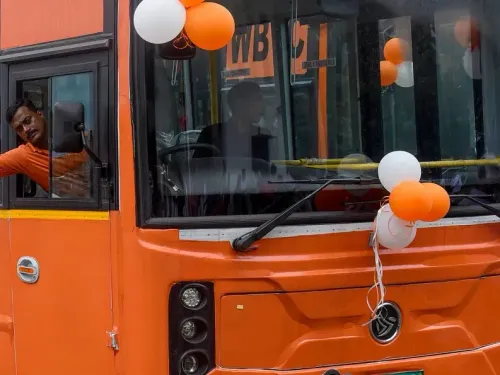
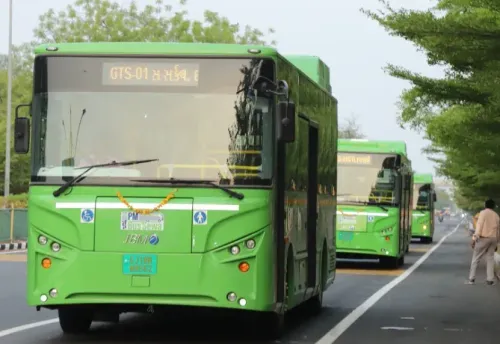
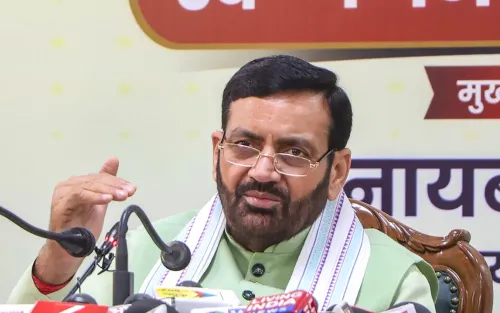
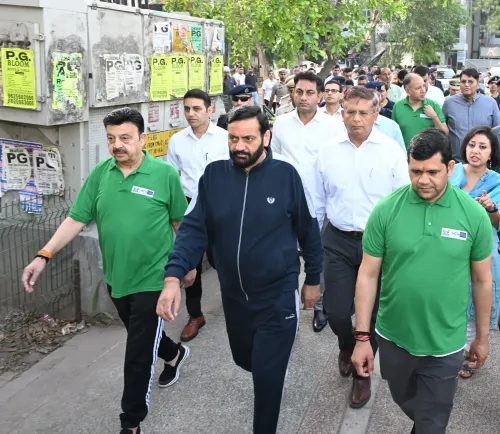
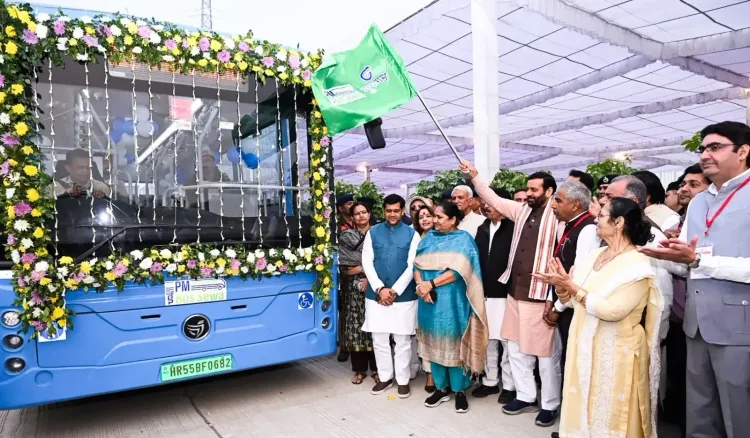
Haryana Chief Minister Nayab Singh Saini on Saturday, 28 November 2026, flagged off 100 electric buses in Gurugram. The buses will run on 20 routes across the district under the Centre's PM-eBus Sewa Scheme. They join the fleet of Gurugram Metropolitan City Bus Limited (GMCBL), raising its strength to 250 buses and marking a significant expansion of public transport in the millennium city.
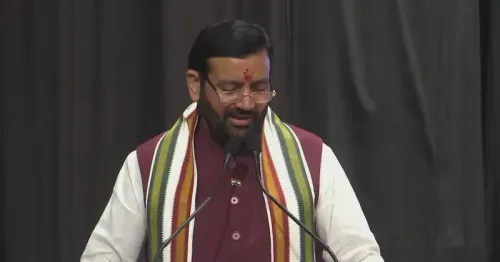
Saini also inaugurated a new GMCBL e-bus depot in Sector 48, built at a cost of ₹17 crore. He described the bus launch and the depot opening as a new chapter in Gurugram's public transport development.
Key Developments
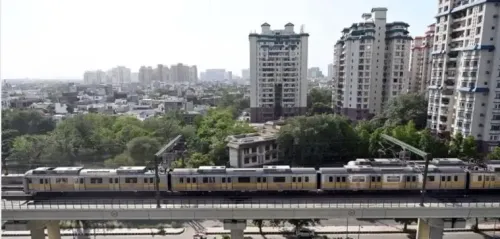
The new e-buses are intended to improve connectivity across the district, reduce dependence on conventional fuels and help curb air pollution. Until now, GMCBL ran 150 CNG buses. The electric additions take the total fleet to 250.
The Sector 48 facility is Haryana's third electric bus depot, according to the Chief Minister. It is expected to support charging and maintenance for the expanded electric fleet.
Notably, Gurugram's city bus network is relatively young. It began in 2018 with just 25 buses, and the fleet has grown tenfold in about eight years.
What the Chief Minister Said
Saini described Gurugram as a major economic hub. He said the city is home to national and international companies, industries, IT establishments and service-sector institutions. With millions of people commuting daily for work, education and business, he said the demand for safe, reliable and convenient public transport keeps growing.
He said the new buses and depot would strengthen the city's transport infrastructure and give residents better commuting options. He also urged citizens to choose public transport over private vehicles as a contribution to environmental protection.
Linking the launch to the Viksit Bharat-Viksit Haryana 2047 vision, Saini said clean air, efficient mobility and quality civic amenities are essential for building modern and sustainable cities.
Haryana's Wider E-Bus Rollout
According to the Chief Minister, 160 electric buses currently operate across 10 major cities in Haryana. The state aims to raise that number to 375 by the end of this year.
He also said 450 new mini-buses will soon be introduced under the PM-eBus Sewa Scheme. They will run in Sonipat, Panipat, Rohtak, Karnal, Hisar, Gurugram and Faridabad. These smaller vehicles are meant to improve last-mile connectivity, reduce reliance on auto-rickshaws and make urban travel easier.
The National Context
The PM-eBus Sewa Scheme, backed by Prime Minister Narendra Modi, aims to promote clean and modern public transport. It targets the deployment of 10,000 electric buses across the country.
This comes amid long-running concerns over air quality in the National Capital Region, where vehicle emissions are a recurring contributor to pollution. Gurugram's rapid growth as a corporate and residential centre has also put sustained pressure on its road network and last-mile transport options.
What Happens Next
The state's near-term targets are to reach 375 e-buses by year-end and to roll out 450 mini-buses across seven cities. Whether Gurugram's commuters actually shift away from private vehicles will be the real measure of the launch's success.
Point of View
But it remains thin for a metropolis where millions commute daily. Gurugram has for years been built around the private car, so fleet additions alone will not change commuter habits. The 450 mini-buses for last-mile links may matter more than the headline e-bus number. The state's own target of 375 e-buses by year-end, up from 160, is the near-term benchmark against which this rollout should be judged.
NationPress
28 Nov 2026
Frequently Asked Questions
How many electric buses were flagged off in Gurugram?
Haryana Chief Minister Nayab Singh Saini flagged off 100 electric buses in Gurugram on 28 November 2026. They will operate on 20 routes across the district under GMCBL.
What is the total GMCBL bus fleet now?
The GMCBL fleet now stands at 250 buses. This includes 150 existing CNG buses and the 100 new electric buses.
Where is Gurugram's new e-bus depot?
The new GMCBL e-bus depot is in Sector 48, Gurugram, and was built at a cost of ₹17 crore. It is Haryana's third electric bus depot.
What is the PM-eBus Sewa Scheme?
It is a Centre-backed scheme to promote clean and modern public transport. It targets the deployment of 10,000 electric buses across India.
Which Haryana cities will get new mini-buses?
450 mini-buses will be introduced in Sonipat, Panipat, Rohtak, Karnal, Hisar, Gurugram and Faridabad under the PM-eBus Sewa Scheme. They are meant to improve last-mile connectivity and reduce dependence on auto-rickshaws.