India to open permanent UNESCO World Heritage exhibition in Baku on 18 July
Synopsis
India's Embassy in Baku is going beyond the brochure — a permanent exhibition on all 44 of India's UNESCO World Heritage Sites opens on 18 July, paired with street food, a fashion show featuring Azerbaijani participants in Indian attire, and live music. It is one of the more ambitious soft-power moves by an Indian mission abroad this year.
Key Takeaways
The Indian Embassy in Baku will inaugurate a permanent exhibition on India's UNESCO World Heritage Sites on 18 July at 6 PM .
The event is paired with an Indian Street Food Festival featuring chai, samosa, and chaat from North and South India.
A fashion show with Azerbaijani participants in Indian attire and live music and dance are also planned.
India has 44 UNESCO World Heritage properties — 36 cultural , 7 natural , and 1 mixed .
India's first four UNESCO listings — Agra Fort , Taj Mahal , Ellora Caves , and Ajanta Caves — were all inscribed in 1983 .
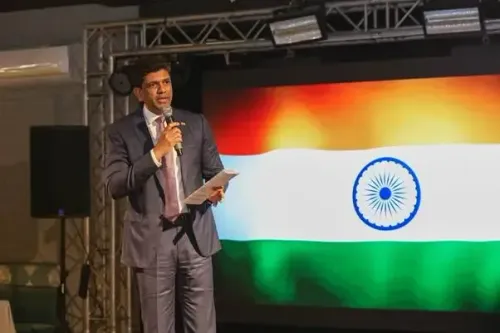
The Indian Embassy in Baku is set to inaugurate a permanent exhibition on India's UNESCO World Heritage Sites in Azerbaijan on 18 July at 6 PM, combining a cultural showcase with an Indian Street Food Festival. The event, announced by India's Ambassador to Azerbaijan, Abhay Kumar, marks a significant step in people-to-people diplomacy between the two countries.
What the Exhibition Features
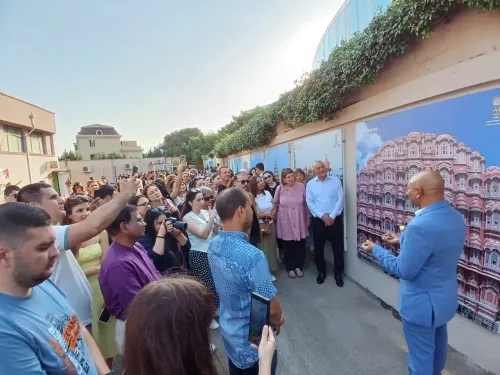
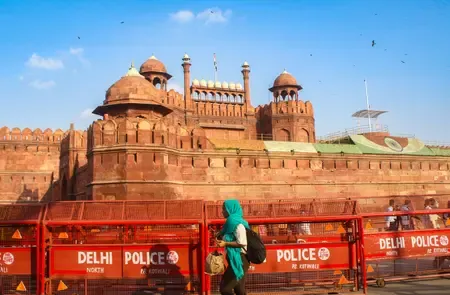
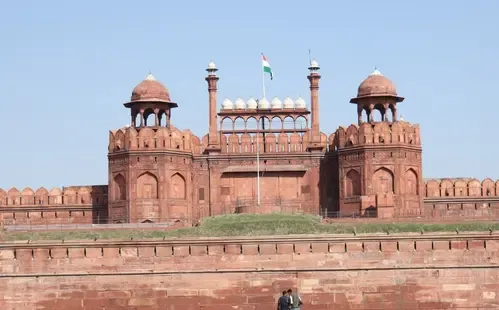
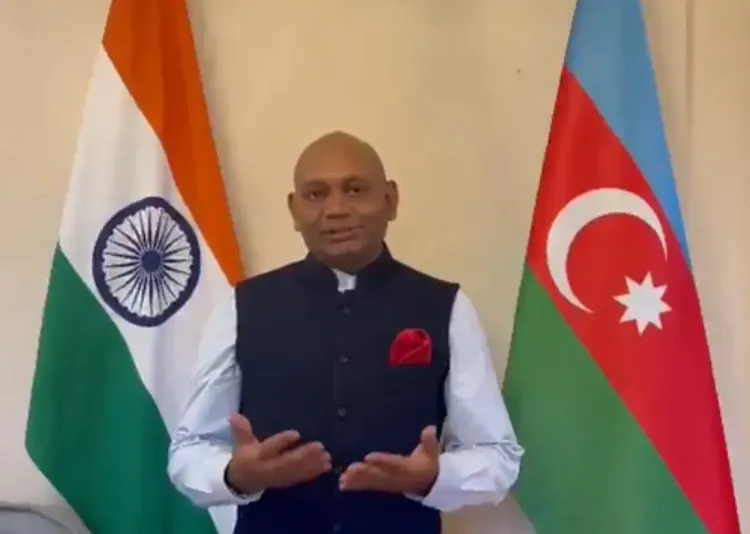
The permanent exhibition will showcase India's celebrated monuments and heritage properties inscribed on the UNESCO World Heritage List. Ambassador Abhay Kumar, in a video message shared by the Embassy, described the event as an opportunity to 'experience India' in the heart of Baku.
'We are delighted to present a permanent exhibition on UNESCO World Heritage Sites of India in Baku this Saturday evening. This exhibition showcases India's great monuments and World Heritage Sites,' Kumar said, adding that the event would also feature authentic Indian street food including chai, samosa, and various chaat preparations drawing from both North and South Indian culinary traditions.
Cultural Programme and Community Participation
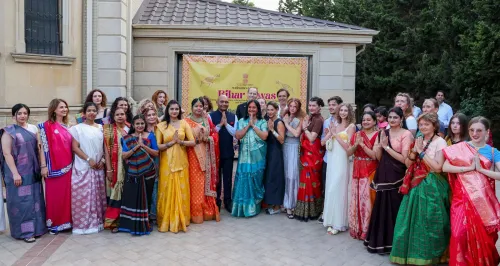
Beyond the exhibition, the evening is set to include live music, Indian dance performances, and a fashion show in which local Azerbaijani participants will be dressed in traditional Indian attire. The multi-format event reflects a deliberate effort by the Embassy to move beyond static displays and engage the local community through immersive cultural experiences.
India's UNESCO World Heritage Footprint
According to UNESCO, India currently has 44 properties inscribed on the World Heritage List — 36 cultural, seven natural, and one mixed heritage site. India's journey on the list began in 1983, when four sites were inscribed simultaneously: Agra Fort, Taj Mahal, Ellora Caves, and Ajanta Caves. The country now holds one of the largest concentrations of World Heritage properties in Asia.
A UNESCO World Heritage Site is defined as a landmark or area of outstanding universal value (OUV) to humanity, protected under an international convention administered by the organisation. Sites qualify on the basis of cultural, historical, scientific, or natural significance.
Diplomatic Context
The exhibition is part of a broader push by Indian diplomatic missions to project India's soft power abroad through cultural and heritage diplomacy. Hosting a permanent — rather than temporary — exhibition signals a longer-term institutional commitment by the Embassy in Baku. The event is open to the public and the Azerbaijani diplomatic community alike.
With 44 inscribed properties and a rich pipeline of sites under nomination, India's cultural heritage portfolio continues to grow — and initiatives like the Baku exhibition aim to ensure that story reaches global audiences.
Point of View
Not a seasonal event. With 44 UNESCO properties, India has one of the world's richest heritage portfolios, yet awareness of that breadth outside South Asia remains limited. The Baku initiative is small in scale but pointed in intent: it places India's civilisational depth in a city that sits at the crossroads of Europe, Central Asia, and the Middle East, a geography where India's cultural presence has historically been thin. Whether the exhibition draws sustained footfall beyond opening night will be the real measure of its diplomatic value.
NationPress
15 Oct 2026
Frequently Asked Questions
What is the permanent exhibition being opened by India in Baku?
The Indian Embassy in Baku is inaugurating a permanent exhibition on India's UNESCO World Heritage Sites on 18 July at 6 PM at the Embassy premises. The exhibition showcases India's 44 inscribed monuments and natural sites, and is being launched alongside an Indian Street Food Festival.
How many UNESCO World Heritage Sites does India have?
India has 44 properties inscribed on the UNESCO World Heritage List, comprising 36 cultural sites, 7 natural sites, and 1 mixed heritage property. The first four — Agra Fort, Taj Mahal, Ellora Caves, and Ajanta Caves — were all listed in 1983.
What cultural events are planned alongside the exhibition?
The opening evening will feature an Indian Street Food Festival with chai, samosa, and chaat, as well as live music, Indian dance performances, and a fashion show in which local Azerbaijani participants will wear traditional Indian attire.
Who announced the exhibition and how?
India's Ambassador to Azerbaijan, Abhay Kumar, announced the event through a video message shared by the Indian Embassy on X. The Embassy invited the public and diplomatic community to attend the 18 July opening.
Why is a permanent exhibition significant compared to a temporary one?
A permanent exhibition signals a long-term institutional commitment by the Indian Embassy in Baku to cultural and heritage diplomacy, rather than a one-time event. It gives residents and visitors an ongoing point of engagement with India's civilisational heritage.