India plans unified intelligence grid to counter multi-front security threats
Synopsis
India is moving toward a unified intelligence grid — a structural overhaul that would link central and state agencies in real time. The trigger is a threat environment that now combines terror modules, solar-powered surveillance cameras at sensitive sites, Pakistan-ISI-linked disinformation campaigns, and daily drone-based narcotics runs into Punjab. The Maoist playbook is the model; the question is whether the institutional will to share intelligence is finally there.
Key Takeaways
India's national security planners are designing a unified intelligence grid to enable real-time coordination between central and state agencies.
Recent threats include the Faridabad terror module and the alleged Shahzad Bhatti surveillance network , which reportedly planted solar-powered CCTV cameras at sensitive locations.
Pakistan-backed elements are allegedly running disinformation campaigns via social media, targeting India's military, according to officials.
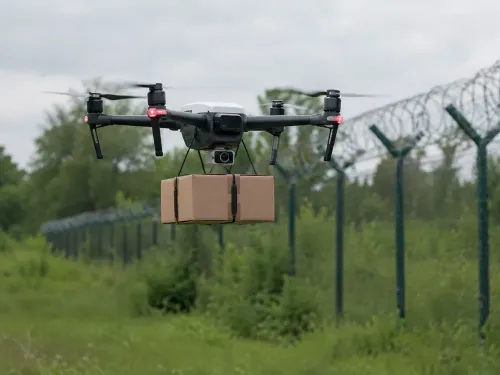
Pakistan-based smugglers are using advanced drones to push narcotics into Punjab daily; the ISI reportedly factors in interceptions and sustains pressure through volume.
The grid will integrate HUMINT with technical and counter-intelligence capabilities — a model drawn from India's success against the Maoist insurgency.
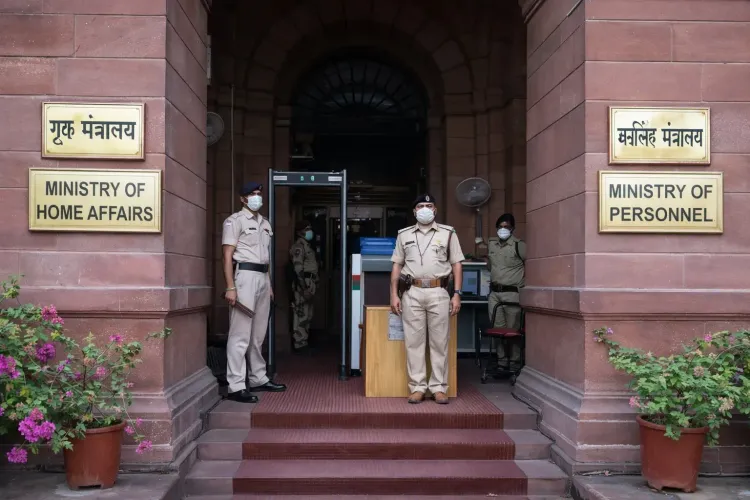
The Ministry of Home Affairs under Amit Shah has increased focus on national security spending, particularly counter-intelligence.
India's national security planners are preparing to establish a unified intelligence grid aimed at enhancing operational capabilities and countering multi-front threats posed by foreign adversaries, senior officials confirmed on 2 September. The move comes as the country faces a rapidly evolving threat landscape that spans home-grown terror modules, surveillance networks, disinformation campaigns, and narcotics smuggling via drones.
Why a Unified Grid Is Being Considered
Officials say the existing intelligence architecture, while capable of pre-emption, is struggling to keep pace with the scale and sophistication of emerging threats. 'The current mechanism is more about pre-emption, and with the threats going up with each passing day, it becomes important to expand operational capabilities,' a senior official said.
Counter-terrorism experts have drawn a direct parallel with India's success against the Maoist insurgency, where coordinated intelligence sharing between central and state agencies was credited as a decisive factor in bringing the movement close to collapse. Security planners are now applying that template to the broader threat environment.
The Threat Landscape: Terror, Surveillance and Disinformation
Recent months have exposed the breadth of the challenge. A terror module uncovered in Faridabad and surveillance activities linked to the alleged Shahzad Bhatti network — which reportedly installed solar-powered CCTV cameras at sensitive and crowded locations — illustrated the granular reach of adversarial intelligence operations.
Officials said Pakistan has substantially increased surveillance and information-gathering activities targeting India. Beyond conventional threats, Pakistan-backed elements are allegedly running disinformation campaigns through individual social media handles and networks associated with groups such as Sikhs for Justice (SFJ), with India's military identified as a primary target.
The borders with Pakistan in Jammu and Kashmir and with Bangladesh remain areas of heightened concern, officials noted, amid continued terror-related activity in both corridors.
Drone-Borne Narcotics: A Mounting Pressure on Security Forces
A particularly acute challenge is the use of technologically advanced drones by Pakistan-based smugglers to push narcotics into Punjab. Officials said multiple attempts are being reported every day, and while many drones are intercepted, the sheer volume of attempts strains the security apparatus.
'The ISI is aware that several drones will be intercepted, but the repeated attempts put considerable pressure on the security apparatus. Some drones eventually manage to cross into India with their consignments,' officials said.
What the Unified Grid Will Do
The proposed grid is designed to facilitate faster, seamless information sharing between central and state intelligence agencies, making operations more proactive and improving response times to emerging threats. Officials said the focus will extend beyond counter-intelligence and technical intelligence, with significantly greater emphasis being placed on HUMINT — human intelligence.
Combining HUMINT with technical and counter-intelligence capabilities is expected to strengthen India's overall intelligence architecture and improve its ability to identify, disrupt, and neutralise threats. The Ministry of Home Affairs, under Home Minister Amit Shah, has reportedly sharpened its focus on national security spending, with particular attention to counter-intelligence measures.
Government's Stated Commitment
An official noted that the Narendra Modi government has consistently placed national security among its top priorities. 'With continuous threats from adversaries, the need to boost intelligence capabilities becomes very important,' the official said. The deliberations on the unified grid represent the most concrete structural step in that direction to date.
As the grid's design is finalised, the broader question is whether institutional coordination — historically a weak link in India's security architecture — can be durably improved before adversaries exploit the gaps further.
Point of View
But the devil is entirely in the institutional detail. India has announced coordination frameworks before — the Multi-Agency Centre (MAC) post-26/11 being the most prominent — yet turf battles between the Intelligence Bureau, RAW, and state police have historically blunted their effectiveness. The HUMINT push is the right instinct: technical surveillance alone did not stop the Shahzad Bhatti network from planting cameras at sensitive sites. What is missing from the current deliberations, at least as disclosed, is an accountability mechanism — who owns the grid, who arbitrates inter-agency disputes, and how performance is measured. Without that, the grid risks becoming another coordination layer rather than a genuine force multiplier.
NationPress
2 Sept 2026
Frequently Asked Questions
What is India's proposed unified intelligence grid?
It is a planned framework to enable seamless, real-time intelligence sharing between India's central and state security agencies, making operations more proactive. The grid will integrate human intelligence (HUMINT) with technical and counter-intelligence capabilities to identify and disrupt threats from foreign adversaries.
Why is India planning a unified intelligence grid now?
Officials cite a rapidly evolving threat landscape that includes home-grown terror modules, surveillance networks linked to Pakistan, disinformation campaigns targeting India's military, and daily drone-based narcotics smuggling into Punjab. The existing pre-emptive mechanism is seen as insufficient given the scale and complexity of these threats.
What is the Shahzad Bhatti network and why does it matter?
The Shahzad Bhatti network is an alleged Pakistan-linked surveillance operation that, according to officials, managed to install solar-powered CCTV cameras at sensitive and crowded locations inside India. It illustrates the granular reach of adversarial intelligence operations and is cited as a key driver for upgrading India's counter-intelligence capabilities.
How are drones being used to threaten India's security?
Pakistan-based smugglers are using technologically advanced drones to push narcotics into Punjab on a daily basis. Officials said the ISI factors in interception rates and sustains pressure through sheer volume, with some drones successfully crossing into India with their consignments.
What lessons from the Maoist insurgency are being applied to the new grid?
Counter-terrorism experts point to coordinated intelligence and security operations — particularly seamless information sharing between central and state agencies — as the key factor in bringing the Maoist threat close to an end. Security planners are applying that coordination model to the unified intelligence grid to address the current multi-front threat environment.