Is the ISI Attempting to Incite Anti-India Sentiment in Bangladesh?
Synopsis
As tensions escalate in Bangladesh, intelligence reports reveal a shocking ISI plot aimed at provoking India into military action. This article delves into the strategic maneuvers behind this dangerous game and its implications for regional stability.
Key Takeaways
ISI's Provocation: There’s a calculated effort by the ISI to provoke India into military action against Bangladesh.
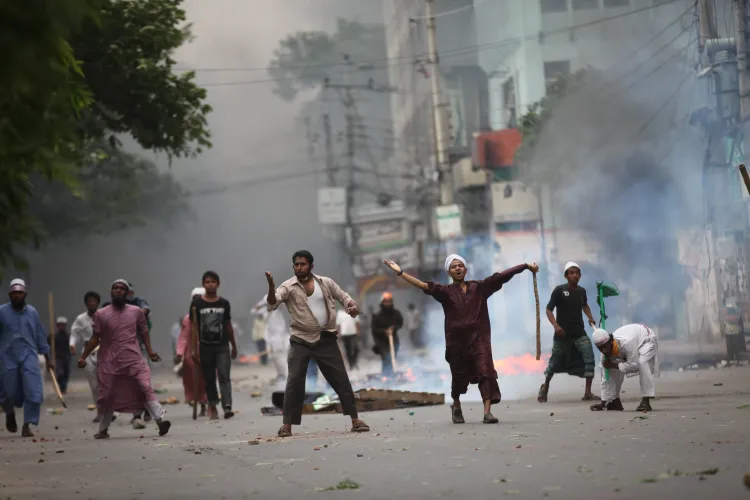
Rising Violence: Bangladesh is experiencing significant unrest, with increasing incidents of violence and persecution of minorities.
Impact on Relations: India's relations with Bangladesh are at a critical juncture, requiring diplomatic finesse.
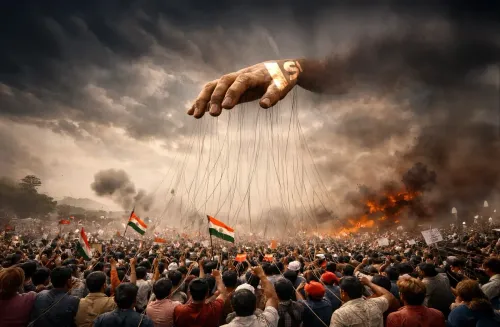
New Delhi, Dec 23 (NationPress) As conditions in Bangladesh deteriorate, intelligence agencies have uncovered a premeditated scheme by the ISI aimed at inciting India. The intent is to entice India into a military confrontation with Bangladesh, thereby drawing global scrutiny to the situation, officials report.
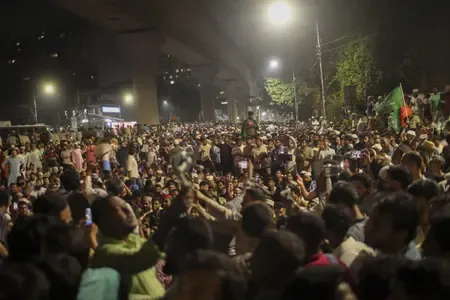
Elements supported by the ISI are stirring unrest by alleging that India is protecting the ousted leader Sheikh Hasina and supporting her party, the Awami League. The unrest from the August 2024 uprising has generated a wave of anti-Hasina sentiment across the nation, which the ISI is exploiting.
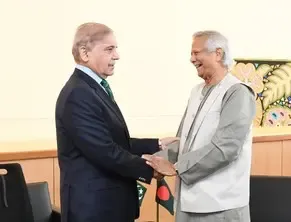
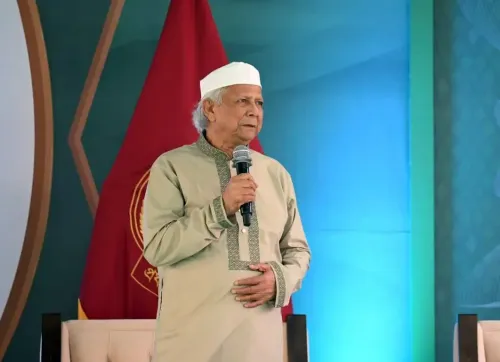
After her ousting, Sheikh Hasina fled to India and has been in New Delhi since. The collapse of her government led to Muhammad Yunus taking over as caretaker, resulting in widespread chaos. Daily street violence and the persecution of minorities have become rampant.
One official noted that the ISI has effectively fostered a significant level of anti-India sentiment over the past year, with the systematic targeting of minorities, particularly Hindus, serving as a provocation towards India. Recently, alarming footage of a Hindu man being lynched has surfaced.
ISI-supported social media accounts are intentionally circulating these videos in India to incite public outrage. The goal is to heighten tensions to the point where the Indian populace pressures its government to respond militarily to Bangladesh. Another aim is to portray India as the aggressor on the global stage, according to an official.
While India does not seek to be the aggressor, it remains committed to safeguarding its sovereignty and integrity. The ISI is aware that any military action could jeopardize the upcoming February 2026 elections, which appears to be part of a broader strategy involving Jamaat-e-Islami to either postpone or cancel the elections. This would enable them to control the country through their proxy, Muhammad Yunus, as indicated by another official.
Apart from the lynching incidents, two student leaders, Osman Hadi and Motaleb Sikder, have been shot within a week, escalating violence further. Bangladesh agencies have accused certain Awami League members of these shootings, using them as a tool against Hasina and her party.
The narrative being propagated is that India is harboring a leader responsible for the deaths of Bangladeshi figures. The ISI is attempting to stoke anger towards India, encouraging violence and fostering deep-seated hatred among the Bangladeshi populace, akin to tactics previously employed in Pakistan, as stated by an Intelligence Bureau official.
Experts highlight that New Delhi faces numerous challenges regarding the situation in Bangladesh. India has consistently expressed its desire for cordial relations with its neighbors. With the Awami League sidelined due to an electoral ban, India has been engaging with the Bangladesh National Party (BNP), which currently has a slight electoral edge over Jamaat and has chosen not to ally with them as it had before.
The ISI and Jamaat are likely to take extensive measures to delay elections, aiming to keep the BNP out of the picture. Their ultimate goal is to isolate the BNP from India, as any pro-India government poses a threat to Pakistan, according to another official.
Point of View
It’s crucial to approach this situation with a balanced perspective. While the ISI's tactics aim to destabilize the region further, India remains committed to fostering peace and stability with its neighbors. The complexity of these political dynamics requires careful navigation to avoid escalating tensions.
NationPress
30 Sept 2026
Frequently Asked Questions
What is the ISI's role in the current Bangladesh situation?
The ISI is allegedly attempting to provoke India into a military response by inciting anti-India sentiment within Bangladesh.
How has the situation in Bangladesh escalated?
The situation has deteriorated due to political unrest following the ousting of Sheikh Hasina and subsequent violence targeting minorities.
What are the implications for India?
India must navigate these tensions carefully to maintain regional stability while protecting its sovereignty.