Is Khalistani Rhetoric Disguised Activism a Blueprint for Terrorism?
Synopsis
In a shocking act, Khalistani extremists stormed the Indian Embassy in Croatia, raising their flag and tearing down the national symbol. This incident reveals a troubling trend of radicalism disguised as activism and raises questions about the implications for international relations.
Key Takeaways
Khalistani extremism poses a threat to international relations.
The incident reflects a growing trend of radicalism.
Diplomatic violations can strain host nation ties.
Exploitation of Western freedoms by extremists undermines societal harmony.
Silence on serious issues reveals hypocrisy among radicals.
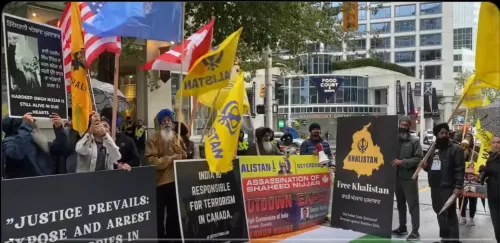
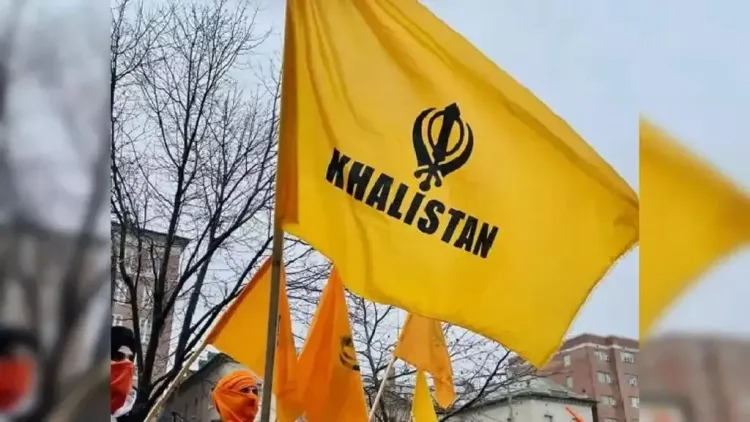
Zagreb, Jan 23 (NationPress) Khalistani extremists allegedly invaded the Indian Embassy in Croatia on Thursday, tearing down the national flag and raising their own Khalistani standard. This act is far from a triumph of self-determination; it is a disgraceful outburst by radical fringe elements who thrive on chaos while dodging the genuine threats faced by their community, as reported on Friday.
“This event, cynically timed just before EU leaders’ attendance at India’s Republic Day celebrations, exhibits desperation, aiming to humiliate India on a global scale. However, let’s be clear: this is nothing more than criminal vandalism that entangles innocent host nations like Croatia in a web of international tension,” stated Khalsa Vox.
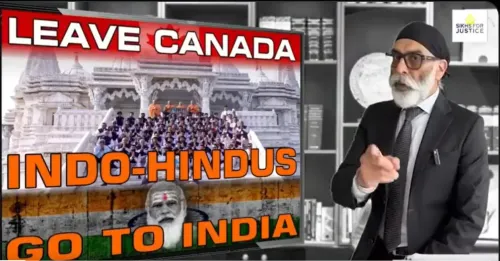
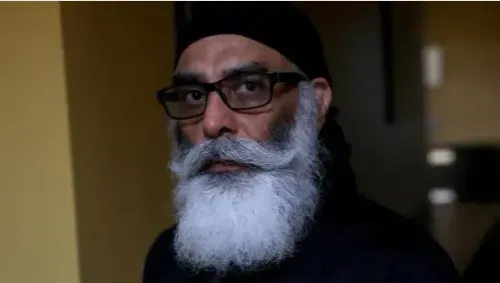
Khalistani terrorist Gurpatwant Singh Pannun expressed his delight over the incident by sharing a video in which he made bold claims that India’s tricolor would be supplanted by the Khalistani flag once Punjab is “freed” from “Indian occupation.”
“Pannun’s rhetoric is not just incendiary; it serves as a dangerous blueprint for terrorism masquerading as activism. This isn’t about advocating for Sikh rights; it’s a direct challenge to India’s sovereignty, supported by nations like Pakistan, reminiscent of violent separatist movements that have taken countless lives. By violating the Vienna Convention regarding diplomatic spaces, these individuals are not asserting 'Sikh self-determination' but are instead inviting backlash from European governments that fear foreign extremists turning their territories into battlegrounds,” the report continued.
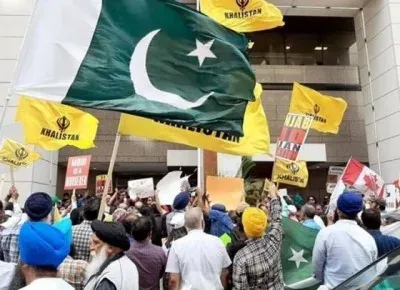
Further, Khalsa Vox highlighted that such actions complicate matters for the host nations. Croatia now faces the need to investigate this violation, which could potentially sour its relations with New Delhi. Incidents of Khalistani vandalism have also been noted in Canada, the UK, and the US, leading to arrests, diplomatic protests, and heightened security around Indian missions.
“These radicals take advantage of Western liberties to spread discord, but when the repercussions come—inevitable as they may be—it’s the local authorities who must deal with the aftermath. Why not direct that passion towards something constructive? After all, destruction is simpler than dialogue. Pannun and his associates propagate a victimhood narrative filled with half-truths and blatant lies,” the report added.
The hypocrisy of these radicals becomes apparent when they choose silence over atrocities that do not align with their anti-India narrative. In December of last year, a 16-year-old Sikh girl in Hounslow, UK, was kidnapped, blackmailed, and gang-raped by a Pakistani-origin grooming gang comprised of men in their 40s targeting young girls. Over 200 Sikhs rallied to rescue her, leading to the apprehension of the primary suspect and his accomplices. This incident is not isolated; UK grooming gangs have long targeted Sikh girls.
“Where was Pannun’s anger? Why no SFJ campaigns against these predators? No protests at Pakistani embassies? Because these issues do not fit their narrative, and they cannot oppose their funders. Khalistani advocates are quick to desecrate Indian symbols but silent when Sikh daughters suffer at the hands of a nation that has historically oppressed Sikhs and continues to do so, as evidenced by the deteriorating conditions of Gurdwaras in Pakistan, forced conversions, and the persecution of minorities,” the Khalsa Vox report concluded.
Point of View
It is imperative to recognize that while individuals have the right to express their views, actions that compromise diplomatic integrity and national sovereignty must be condemned. It is crucial to remain steadfast in our support for democratic values and the rule of law.
NationPress
27 Sept 2026
Frequently Asked Questions
What happened at the Indian Embassy in Croatia?
Khalistani extremists allegedly stormed the embassy, damaging property and raising their flag.
Why is this incident significant?
It highlights a troubling trend of radicalism and the potential for diplomatic tensions between nations.
What does this say about Khalistani activism?
It reveals a dangerous rhetoric that may lead to terrorism under the guise of self-determination.
How are host countries affected?
Host nations may face diplomatic fallout and increased scrutiny regarding the actions of foreign extremists.
What is the response from the Indian government?
The Indian government is likely to address these actions through diplomatic channels and seek protection for its diplomatic missions.