David Malpass urges China to release food, fertiliser stockpiles amid global crisis
Synopsis
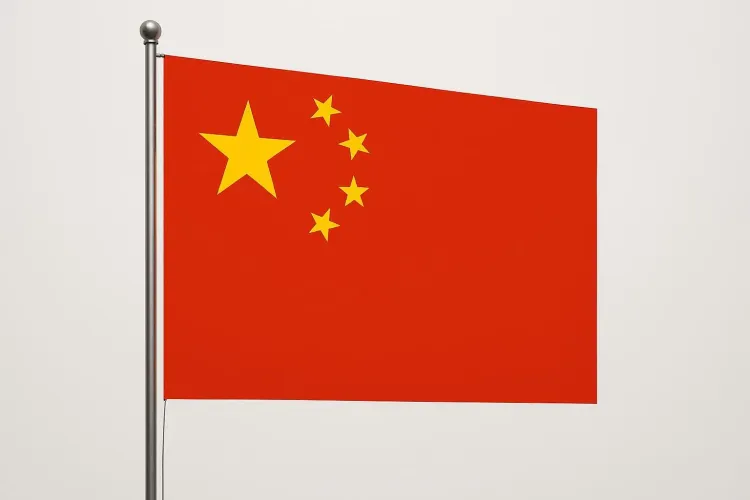
Former World Bank president David Malpass has publicly called out China for hoarding the world's largest food and fertiliser stockpiles even as the US-Iran war shuts the Strait of Hormuz and threatens up to 10 billion meals a week globally. Beijing has pushed back, insisting it bears no blame for current supply chain disruptions.
Key Takeaways
David Malpass , former World Bank president, urged China to stop building food and fertiliser stockpiles on 12 May .
China has halted exports of several fertiliser types since March 2025 , citing domestic supply protection.
China accounted for about 25% of global fertiliser output in 2025 , with exports exceeding $13 billion .
Industry warnings suggest the supply disruption could cost up to 10 billion meals a week globally, hitting the poorest nations hardest.
Yara CEO Svein Tore Holsether warned reduced crop yields could trigger a global bidding war for food.
Chinese embassy spokesperson Liu Pengyu rejected blame, saying China is committed to global food and fertiliser market stability.
Former World Bank president David Malpass has called on China to stop hoarding food and fertiliser stocks to help ease the global supply crisis triggered by the US-Iran war, according to a BBC report published on Tuesday, 12 May. Malpass, who also served as US Treasury Under Secretary for International Affairs under President Donald Trump from 2017 to 2019, argued that Beijing's vast reserves could meaningfully stabilise international markets if released.
What Malpass Said
Point of View
His remarks carry both economic and strategic weight. China's fertiliser export curbs, in place in various forms since 2021, predate the current crisis; the US-Iran war has simply amplified their consequences. The real fault line here is structural: the world's food supply chains have become dangerously dependent on a single country's export decisions, and no multilateral mechanism exists to compel compliance. Beijing's 'developing nation' defence is increasingly difficult to sustain for the world's second-largest economy — but without enforceable international frameworks, Malpass's appeal remains moral pressure, not policy.
NationPress
3 Oct 2026
Frequently Asked Questions
Why is David Malpass urging China to release food and fertiliser stockpiles?
Malpass argues that China holds the world's largest stockpiles of food and fertiliser and could ease the global supply crisis triggered by the US-Iran war and the closure of the Strait of Hormuz by halting further stockpile accumulation. He made the remarks in an interview cited by the BBC on 12 May 2025.
Why has China halted fertiliser exports?
China halted exports of several types of fertilisers from March 2025, citing the need to protect domestic supplies. The country had already been imposing restrictions on fertiliser exports since 2021, well before the current geopolitical crisis.
How significant is China's role in global fertiliser supply?
China accounted for approximately 25% of global fertiliser output in 2025, with exports totalling over $13 billion. Its export curbs have left many countries scrambling to secure supplies ahead of spring planting season.
What is the scale of the potential food crisis?
Industry warnings, including from fertiliser major Yara, suggest the supply disruption could cost up to 10 billion meals a week globally, with the poorest countries expected to be hit hardest. Yara CEO Svein Tore Holsether warned of a potential bidding war for food due to reduced crop yields.
How has China responded to Malpass's criticism?
Chinese embassy spokesperson Liu Pengyu rejected the allegations, stating that China is universally recognised as the largest developing country and is committed to maintaining stability in global food and fertiliser markets. Pengyu said the blame for current disruptions cannot be pinned on China.