Manipur CM hails high-level demographic panel as historic, credits Modi

Synopsis
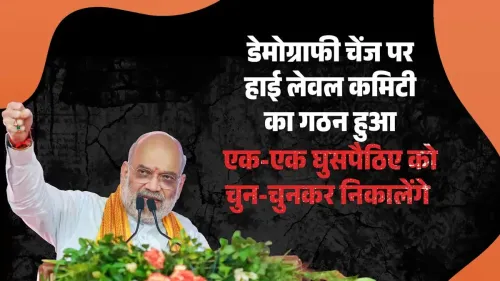
The Centre's newly formed high-level committee on demographic change — chaired by a former Supreme Court judge and backed by a Cabinet nod on 11 September 2025 — has drawn strong praise from Manipur CM Yumnam Khemchand Singh, who called it a historic intervention for border states long exposed to illegal immigration pressures. Home Minister Amit Shah has framed the issue as a direct threat to national sovereignty and tribal society.
Key Takeaways
Manipur CM Yumnam Khemchand Singh on 27 May called the Centre's demographic panel a historic and long-awaited step for border states.
PM Narendra Modi announced the 'High-powered Demography Mission' on 15 August 2025 ; the Union Cabinet approved it on 11 September 2025 .
Former Supreme Court judge Justice Prakash Prabhakar Naolekar will chair the committee; members include retired IAS Durga Shankar Mishra , retired IPS Balaji Srivastava , and economist Dr Shamika Ravi .
The committee will submit its report within one year , with a possible six-month extension by the MHA.
Home Minister Amit Shah linked demographic change to national security, law and order, and the protection of tribal societies.
Manipur Chief Minister Yumnam Khemchand Singh on Wednesday, 27 May described the Centre's decision to constitute a high-level committee to study demographic changes across India as a historic and long-awaited intervention, expressing deep gratitude to Prime Minister Narendra Modi and Home Minister Amit Shah for the initiative. The committee, cleared by the Union Cabinet on 11 September 2025, follows PM Modi's announcement of a 'High-powered Demography Mission' on 15 August 2025.
What the Committee Will Do
The High-Level Committee will conduct a comprehensive assessment of demographic changes occurring across India due to illegal immigration and other abnormal causes. It will analyse patterns of abnormal population shifts at the levels of religious and social communities and present a planned, time-bound solution. The committee is mandated to submit its report within one year, with the Ministry of Home Affairs (MHA) holding the option to extend its tenure by up to six months if required.
Who Will Lead the Panel
Former Supreme Court judge Justice Prakash Prabhakar Naolekar will serve as Chairman of the committee. Its members include the Census Commissioner and three distinguished experts: retired IAS officer Durga Shankar Mishra, retired IPS officer Balaji Srivastava, and economist Dr Shamika Ravi. The Joint Secretary (Foreigners-I) of the Ministry of Home Affairs will serve as Member Secretary.
What the Home Minister Said
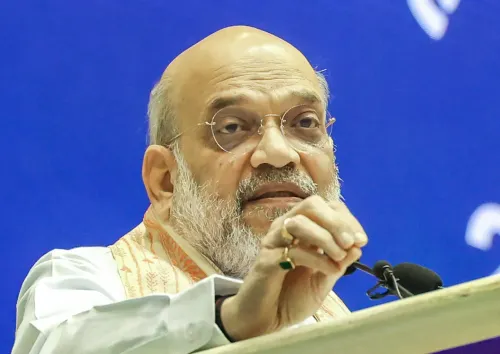
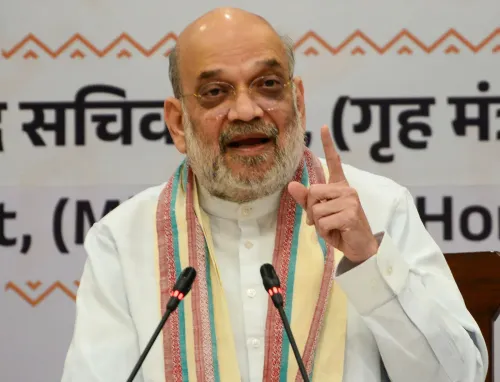
Announcing the panel's formation on Tuesday, Home Minister Amit Shah stated in a post on X: 'Demographic Change is a serious issue linked not only to our sovereignty but also to national security, law and order, profound changes in social structure, and the preservation of tribal society.' Shah further noted that the committee would present a planned and time-bound solution to patterns of abnormal population shifts.
Manipur's Stake in the Decision
Chief Minister Singh underscored that the people of Manipur and other border states have a particular stake in the committee's work, given the state's prolonged vulnerability to cross-border demographic pressures. He assured that the Manipur government will extend full cooperation to the panel. This comes amid Manipur's ongoing struggle with ethnic tensions and border security concerns that have drawn sustained national attention. Notably, the Chief Minister specifically appreciated Shah's framing of demographic change as a threat to tribal societies — a point of acute sensitivity in the Northeast.
What Comes Next
With the committee's composition now finalised, the panel is expected to begin its assessment shortly. Its findings could shape future immigration enforcement policy and border management frameworks, particularly for states sharing international boundaries. The MHA will oversee the committee's functioning and timeline.
Point of View
Demographic shift, and national security. For border states like Manipur — where ethnic conflict and cross-border movement have been flashpoints for decades — this is politically resonant. But the committee's credibility will rest on methodology: how it defines 'abnormal' population change, whether its data sources are independent, and whether its recommendations can survive legal scrutiny. A report that conflates religious demography with security risk without rigorous evidentiary standards could prove more divisive than decisive.
NationPress
11 Oct 2026
Frequently Asked Questions
What is the high-level committee on demographic changes in India?
It is a government-constituted panel announced under PM Modi's 'High-powered Demography Mission' on 15 August 2025 and cleared by the Union Cabinet on 11 September 2025. The committee will assess demographic changes caused by illegal immigration and other abnormal factors and submit a report within one year.
Who will chair the high-level demographic committee?
Former Supreme Court judge Justice Prakash Prabhakar Naolekar will serve as Chairman. The panel also includes the Census Commissioner, retired IAS officer Durga Shankar Mishra, retired IPS officer Balaji Srivastava, and economist Dr Shamika Ravi as members.
Why is Manipur particularly concerned about demographic changes?
Manipur is a border state with longstanding vulnerabilities to cross-border illegal immigration and ethnic tensions. CM Yumnam Khemchand Singh has described the committee as a long-awaited intervention specifically for border states like Manipur.
What did Home Minister Amit Shah say about demographic change?
Shah stated that demographic change is a serious issue linked to India's sovereignty, national security, law and order, profound changes in social structure, and the preservation of tribal society. He made these remarks in a post on X while announcing the committee's formation.
When will the demographic committee submit its report?
The committee is required to submit its report within one year of its constitution. The Ministry of Home Affairs may extend the tenure by up to six months if necessary.