CM Dhami backs Shah's high-level panel on demographic change
Synopsis
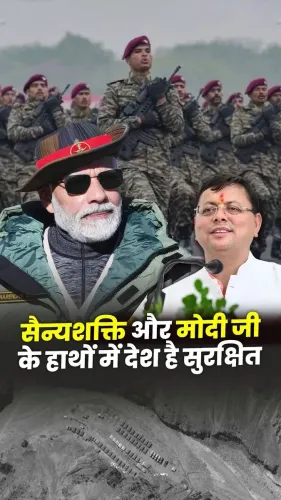
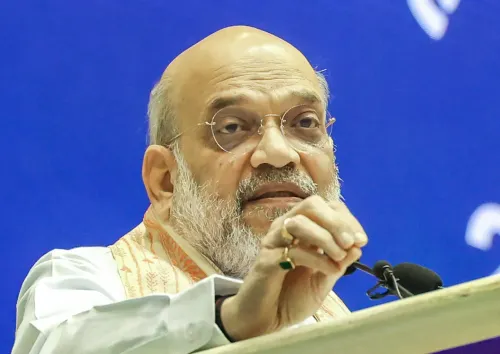
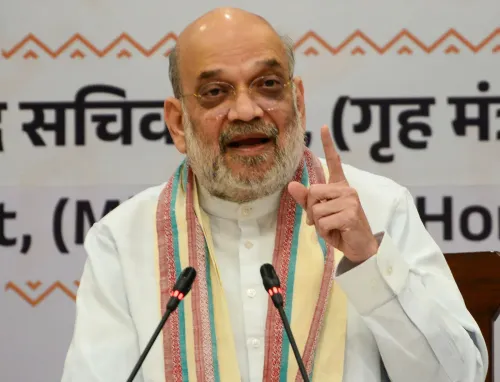
Uttarakhand CM Pushkar Singh Dhami on 26 May 2026 backed Union Home Minister Amit Shah's new high-level committee on demographic change, saying it aligns with PM Modi's vision on internal security, cultural identity, and tribal community protection.
Key Takeaways
CM Pushkar Singh Dhami publicly endorsed the high-level committee on demographic change formed by Union Home Minister Amit Shah .
Dhami credited PM Narendra Modi 's 'visionary thinking' as the guiding framework behind the committee's formation.
The committee is tasked with addressing national security, cultural identity, social stability and tribal community protection .
The move extends a policy lineage that includes the Citizenship Amendment Act (2019) and the National Register of Citizens exercise in Assam.
Residents of border states and tribal communities are identified as primary stakeholders in the committee's work.
The committee's composition, mandate and timeline have not yet been made public.
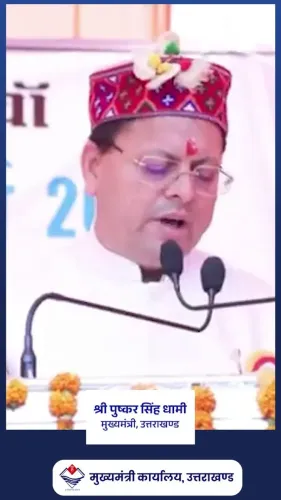
Uttarakhand Chief Minister Pushkar Singh Dhami on Tuesday, 26 May 2026, lauded the formation of a high-level committee on demographic change by Union Home Minister Amit Shah, calling it a far-sighted step in the national interest aligned with Prime Minister Narendra Modi's vision on internal security and social stability.
Context
In his post, CM Dhami wrote that PM Modi's 'visionary thinking and clear vision' on the 'serious subject of demographic change' — keeping in mind the country's internal security, social balance and future challenges — is 'giving the nation a decisive direction today.' He described the Home Minister's committee as an 'extremely important and far-reaching step in the national interest.'
The committee, according to Dhami, will play a key role in ensuring 'effective and time-bound solutions' on issues including national security, cultural identity, social stability and the protection of tribal communities.
Policy Backdrop
The BJP-led central government has consistently framed demographic change as a national-security and cultural-preservation concern, linking it to illegal immigration and differential population growth across regions. The Citizenship Amendment Act of 2019 and the National Register of Citizens exercise in Assam, also completed in 2019, were earlier milestones in this policy arc.
Enhanced border fencing, anti-conversion legislation enacted by several BJP-governed states, and now this high-level committee represent a sustained, multi-pronged approach to what the party frames as protecting India's demographic and cultural fabric. The new committee extends that approach to a coordinated, cabinet-level examination of the issue.
Stakeholders and Impact
Residents of border states — including Uttarakhand, which shares an international boundary with China and Nepal — are among the most directly affected constituencies in any policy discussion on demographic shifts. Tribal communities, explicitly named in Dhami's post as a group requiring protection, are another key stakeholder group.
Civil society groups and opposition parties have historically contested the framing of demographic change as a security threat, arguing such narratives risk marginalising religious and ethnic minorities. The committee's eventual recommendations are therefore likely to generate significant political debate.
What's Next
The immediate focus will be on the committee's formal mandate, composition, and timeline — details that have not yet been made public. CM Dhami's endorsement signals that BJP-governed states are likely to align their own policies with whatever framework the panel recommends.
Any interim or final report from the committee could serve as the basis for fresh legislation or administrative directives, making its proceedings a closely watched development in India's internal-security and social-policy landscape.
Point of View
The post attempts to broaden the political coalition behind the initiative beyond its core base. The committee itself — whose details remain undisclosed — gives the government a structured institutional vehicle to build an evidence-linked policy case, potentially pre-empting legal and political challenges. How the panel defines 'demographic change' in its formal mandate will be the single most consequential variable in determining whether this becomes landmark legislation or a prolonged political flashpoint.
NationPress
9 Oct 2026
Frequently Asked Questions
What is the high-level committee on demographic change formed by Amit Shah?
Union Home Minister Amit Shah has constituted a high-level committee to examine demographic change in India, focusing on national security, cultural identity, social stability and the protection of tribal communities. Its precise composition, mandate and timeline have not yet been officially disclosed.
Why did CM Dhami praise the demographic change committee?
Uttarakhand Chief Minister Pushkar Singh Dhami described the committee as a 'far-reaching step in the national interest,' saying it aligns with PM Modi's vision on internal security and social balance, particularly for border states and tribal communities.
What is the BJP's policy position on demographic change in India?
The BJP has consistently linked demographic change to concerns over illegal immigration, border security and cultural preservation. Key earlier measures include the Citizenship Amendment Act of 2019 and the National Register of Citizens exercise in Assam, also completed in 2019.
How does this committee affect tribal communities in India?
CM Dhami explicitly cited the protection of tribal society as one of the committee's focus areas. Tribal communities in border and northeastern states are considered primary stakeholders in any policy addressing demographic shifts.
What will the high-level demographic change committee do next?
The committee is expected to study internal security, cultural identity and social stability before producing recommendations. Any interim or final report could form the basis for new legislation or state-level policy directives.