MHA and RBI sign MoU to fight digital fraud with AI, Shah pledges cyber-secure Bharat
Synopsis
India's cybercrime fight gets a structural upgrade: the MHA's I4C and the Reserve Bank Innovation Hub have formally partnered to weaponise AI against mule accounts — the hidden pipelines that funnel stolen money through the banking system. With Home Minister Amit Shah personally flagging the initiative on X, the Centre is signalling that cyber security is now a top-tier governance priority.
Key Takeaways
I4C (MHA) and Reserve Bank Innovation Hub (RBIH) signed an MoU on 12 May 2025 in New Delhi.
The agreement enables sharing of mule account intelligence and suspect identifiers from I4C's Suspect Registry with AI-driven bank fraud systems.
RBIH will use the datasets to train and upgrade its AI fraud-risk assessment models .
Home Minister Amit Shah described mule accounts as "a big hurdle in curbing cyber crimes" and confirmed the AI-powered approach in a post on X.
The MoU aims to deliver a next-generation shield for citizens against cyber-enabled financial fraud across the banking and digital payments ecosystem.
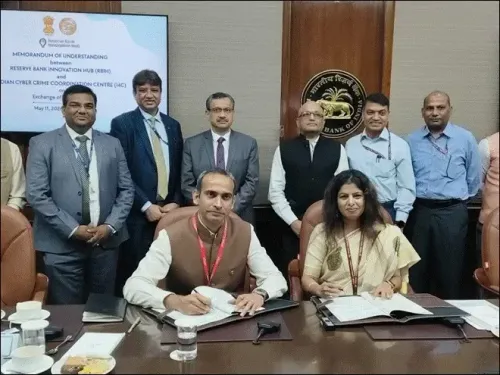
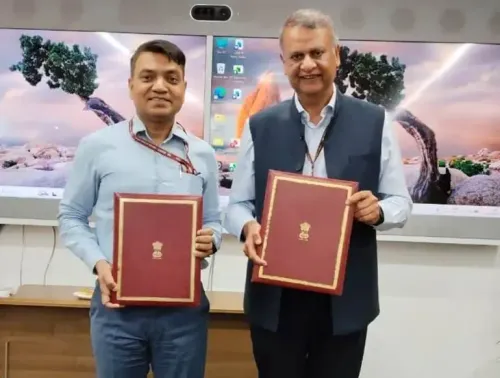
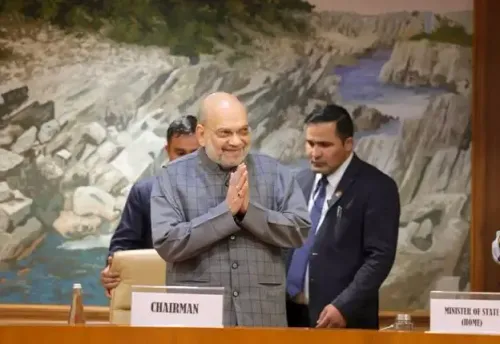
The Indian Cyber Crime Coordination Centre (I4C), under the Ministry of Home Affairs (MHA), and the Reserve Bank Innovation Hub (RBIH) signed a Memorandum of Understanding (MoU) on Tuesday, 12 May in New Delhi, marking a significant institutional step toward combating cyber-enabled financial fraud and dismantling mule account networks across India's banking and digital payments ecosystem.
What the MoU Covers
The agreement establishes an integrated framework for fraud-risk intelligence sharing, analytical support, and operational coordination between the two bodies. Under the arrangement, I4C will feed mule account-related intelligence and suspect identifiers from its Suspect Registry into RBIH's AI-driven fraud detection systems deployed across banks. The RBIH will in turn use these datasets to train and enhance its Artificial Intelligence (AI)-driven fraud-risk assessment models.
What Home Minister Shah Said
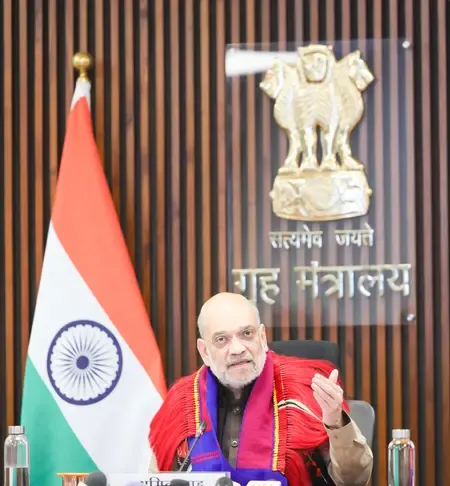
Union Home Minister Amit Shah took to social media platform X to affirm the government's commitment to the initiative.
Point of View
However, lies in data quality and update frequency — a Suspect Registry is only as powerful as its real-time accuracy. India loses tens of thousands of crores annually to cyber fraud, and mule accounts are the circulatory system of that ecosystem. If the AI models can act on live I4C data rather than periodic dumps, the impact could be substantial. What remains unclear is the governance framework around data privacy and false-positive risk for legitimate account holders flagged by the system.
NationPress
26 Sept 2026
Frequently Asked Questions
What is the MoU signed between MHA and RBIH about?
The MoU signed on 12 May 2025 between the Indian Cyber Crime Coordination Centre (I4C) under the Ministry of Home Affairs and the Reserve Bank Innovation Hub (RBIH) establishes a framework for sharing mule account intelligence and deploying AI to detect and block cyber-enabled financial fraud across India's banking system.
What are mule accounts and why do they matter?
Mule accounts are bank accounts used — knowingly or unknowingly — to receive and transfer funds obtained through cybercrime, effectively laundering stolen money. They are considered one of the biggest obstacles in tracing and stopping digital financial fraud in India.
How will AI be used under this MoU?
I4C will supply suspect identifiers and mule account data from its Suspect Registry to RBIH, which will use this information to train and enhance AI-driven fraud-risk assessment models deployed across banks, enabling faster and more accurate detection of suspicious accounts.
What did Home Minister Amit Shah say about the MoU?
Home Minister Amit Shah posted on X that the Modi government is working for a cyber-secure Bharat and that the MoU will unleash the power of AI to swiftly detect and cull hidden mule accounts, serving citizens as their next-generation shield against cybercrime.
Which institutions are covered under this fraud detection framework?
The framework targets the broader banking and digital payments ecosystem in India, with AI-driven fraud detection systems implemented across banks receiving intelligence support from I4C's national Suspect Registry.