World Bank's Ajay Banga Warns: Middle East Conflicts May Alter Global Economic Landscape
Synopsis
The World Bank's Ajay Banga warns that ongoing conflicts, particularly in the Middle East and Ukraine, may significantly impact global economic growth and inflation rates.
Key Takeaways
Geopolitical tensions are reshaping economic forecasts.
Global growth may decline due to ongoing conflicts.
Inflation rates could escalate significantly.
The World Bank plans to offer substantial liquidity support .
Governments must focus on sustainable fiscal measures.
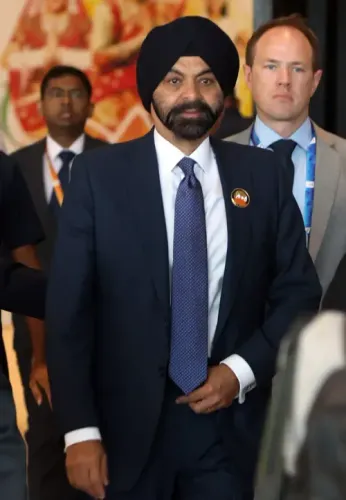
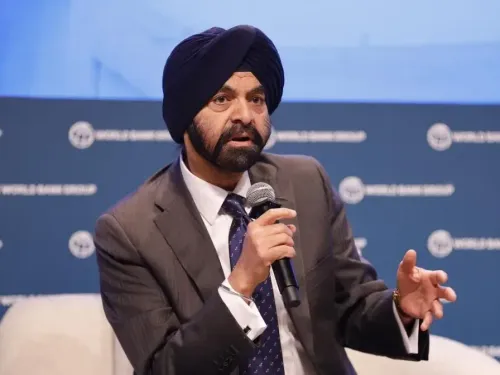
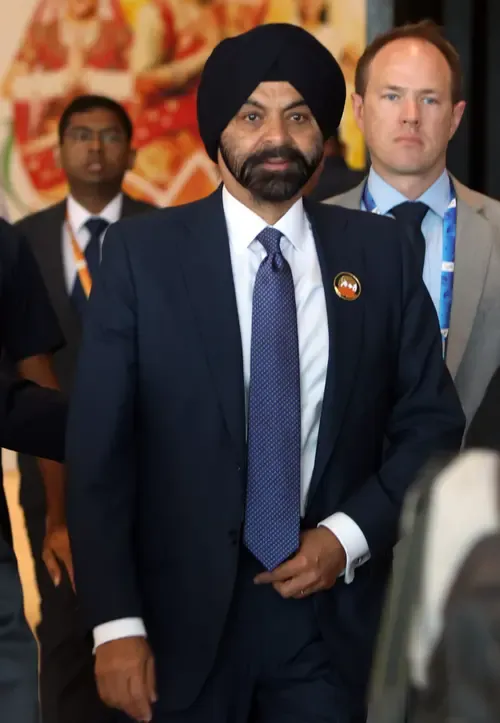
Washington, April 10 (NationPress) The escalating geopolitical conflicts are starting to redefine economic forecasts, as emphasized by World Bank President Ajay Banga, who cautioned that ongoing disputes could hinder growth, escalate inflation, and put pressure on already vulnerable economies.
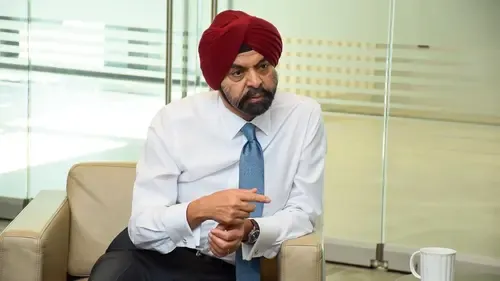
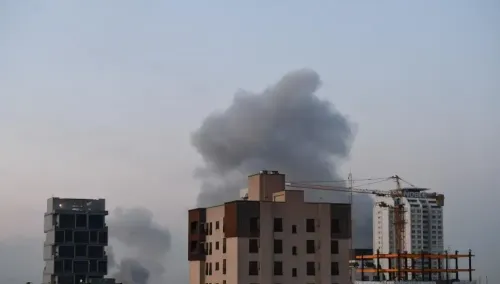
In his remarks at the Atlantic Council, Banga highlighted that the current turmoil in the Middle East, alongside ongoing crises like the conflict in Ukraine, is already straining global economic conditions.
“Emerging markets are under greater stress… as they already face complex fiscal and debt challenges,” he noted, indicating that even developed economies will also experience repercussions.
Banga projected that global growth, which was previously estimated at approximately 2.8 to 3 percent, might decrease by as much as one percentage point in a more dire scenario. He also indicated that inflation is likely to rise, potentially increasing by two percentage points depending on the intensity and duration of the disruptions.
“If you consider the world's projected GDP growth at 2.8 to 3 percent… you could see that reduced by over one percentage point in a more challenging situation,” he elaborated.
He pointed out the cascading effects of conflict on global supply chains, especially in essential sectors like energy and commodities such as fertilizers and chemicals, which are crucial for economies throughout Asia and Africa.
The World Bank is preparing to offer liquidity support to the affected nations, with Banga stating that countries may access between $20 billion and $25 billion shortly, with the possibility of increasing to $60 billion to $70 billion over a six-month timeframe.
“These insights are based on lessons learned during COVID-19,” he said, referring to the emergency financing mechanisms established during the pandemic.
However, he advised governments against adopting unsustainable fiscal measures, urging them to prioritize targeted and temporary support rather than broad subsidies that could exacerbate long-term debt issues.
“You need to tread carefully… to avoid escalating your fiscal challenges,” he cautioned.
Banga also pointed out the broader implications of interconnected crises, stressing that conflicts in various regions contribute to a more unpredictable global atmosphere.
“The crisis isn’t just about what’s happening right now… there’s much more at play globally,” he stated, referencing Ukraine, Gaza, and the ongoing conflict in the Middle East.
Beyond the immediate economic consequences, he indicated that geopolitical instability is underscoring the necessity for nations to reconsider their energy security and resilience strategies.
He suggested that governments should evaluate a diverse mix of energy sources—including gas, nuclear, and renewables—to ensure a stable supply while also meeting long-term sustainability objectives.
Point of View
It's imperative to acknowledge the significant implications that conflicts in the Middle East and Ukraine pose to global economic stability. The warnings from World Bank President Ajay Banga reflect a dire need for strategic planning and international cooperation to mitigate these challenges.
NationPress
20 Oct 2026
Frequently Asked Questions
What is the potential impact of Middle East conflicts on global economy?
Ongoing conflicts could hinder growth, escalate inflation, and strain vulnerable economies worldwide.
How much liquidity support is the World Bank prepared to offer?
The World Bank is set to offer between $20 billion and $25 billion, potentially increasing to $60 billion to $70 billion over six months.
What lessons were learned during COVID-19 regarding economic support?
The World Bank has developed emergency financing tools during the pandemic that can be applied to current crises.
What should governments focus on to avoid fiscal challenges?
Governments should prioritize targeted and temporary support measures rather than broad subsidies that may worsen long-term debt.
Why is energy security a growing concern?
Geopolitical instability is highlighting the need for countries to rethink their energy strategies for resilience and sustainability.