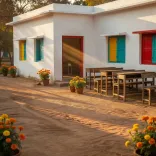
Patangarh village puts Gond art on global map, earns GI tag
Synopsis
A 300-household village in Madhya Pradesh's Dindori district is rewriting the story of tribal art — Patangarh, birthplace of Gond pioneer Jangarh Singh Shyam, now holds a GI tag, counts among PM Modi's diplomatic gifting choices, and is producing award-winning artists like Atmaram Shyam who are actively training the next generation.
Key Takeaways
Patangarh , a 300-household village in Dindori district, Madhya Pradesh , is now an internationally recognised centre of Gond painting .
Gond painting has received a Geographical Indication (GI) tag , bolstering its national and international market identity.
PM Narendra Modi has gifted Gond paintings to foreign dignitaries, raising the art form's global profile.
Jangarh Singh Shyam , the village's most celebrated artist, was first recognised by art critic J.
Swaminathan and remains the tradition's defining figure.
Artist Atmaram Shyam won a Gold Award in 2022 and an international art award in 2021 ; his works were purchased at the BRICS summit in Indore .
Atmaram conducts community art workshops in Dindori to train rural youth in Gond painting and art entrepreneurship.
Patangarh, a village of around 300 households in Madhya Pradesh's Dindori district, has emerged as an internationally recognised centre of Gond painting, with the traditional tribal art form now sustaining multiple families and earning a coveted Geographical Indication (GI) tag. Located in the Karanjia development block of eastern Madhya Pradesh, the village is the birthplace of the late Jangarh Singh Shyam, the pioneering Gond artist whose work first drew the world's attention to this ancient tradition.
The Legacy of Jangarh Singh Shyam
It was renowned art critic and painter J. Swaminathan who first recognised Jangarh Singh Shyam's extraordinary talent, helping give Gond painting a distinct and celebrated identity on the national art circuit. Though Shyam died young, his legacy endures through a generation of artists from Patangarh and surrounding villages who have carried his vision forward. The village, predominantly inhabited by the Gond community and its sub-groups, has since evolved into a thriving hub of practising artists pushing traditional painting beyond regional boundaries.
GI Tag and Global Recognition
Gond painting's newly awarded GI tag has strengthened its identity in both national and international art markets, lending it legal protection and commercial credibility. Prime Minister Narendra Modi has further amplified its global profile by gifting Gond paintings to distinguished personalities and foreign dignitaries, introducing the art form to audiences far beyond Madhya Pradesh. According to a state government statement issued on Thursday, 12 November 2026, this diplomatic visibility has significantly boosted awareness of the tribal community's artistic heritage.
Atmaram Shyam: Carrying the Tradition Forward
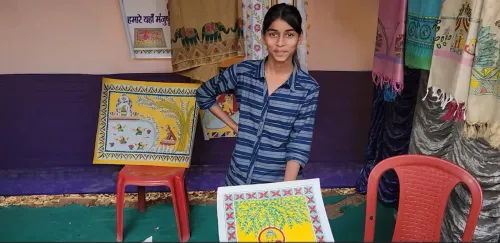
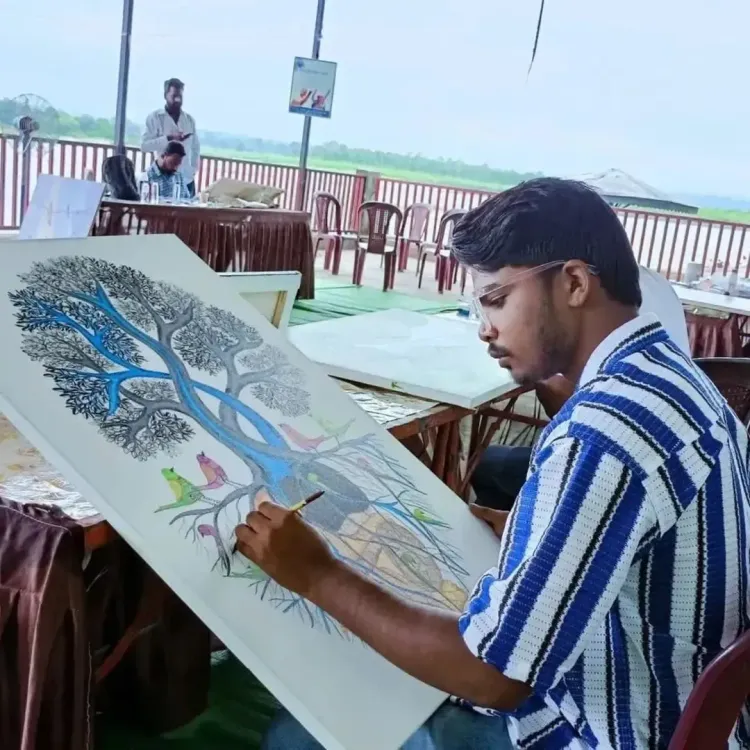
Among the younger artists carrying this tradition is Atmaram Shyam, a Gond painter from Sunpuri village near Patangarh, who has been based in Bhopal for around seven years. A postgraduate in fine arts, Atmaram's works depict the culture, folklore, festivals, wildlife, and natural surroundings of the Gond community. 'Painting is not merely about creating artworks; it is also a way of taking our culture and traditions forward to future generations,' he said.
Atmaram has participated in several national and international exhibitions and received a Gold Award in 2022 and an international art award in 2021. His paintings drew appreciation from foreign delegates — including representatives from the United States — at the BRICS summit in Indore, where some of his works were purchased. One of his paintings was also presented to the Consulate General of India in Australia.
Taking Art Education to Rural Communities
Beyond his own practice, Atmaram has taken up the responsibility of mentoring the next generation. He conducts workshops for college students and recently organised a series of art workshops in Dindori to encourage local children and youth to explore their creative potential. 'Art education should not remain confined to big cities and institutions. It should reach young people in rural and tribal areas so that they can develop their creativity and explore opportunities in art entrepreneurship,' he said.
Government Support and Livelihood Impact
The Madhya Pradesh government has been actively encouraging tribal artists and promoting traditional art forms as a means of both cultural preservation and livelihood creation. Several families in and around Patangarh are now earning their primary income through Gond artwork, demonstrating how a centuries-old art form can be a viable economic engine for rural tribal communities. With the GI tag in place and growing diplomatic exposure, Patangarh's story signals a broader model for sustainable cultural entrepreneurship in India's heartland.
Point of View
Jangarh Singh Shyam, that the state chose to nurture rather than overlook. The GI tag is a meaningful step, but the real test is whether it translates into predictable, fairly priced market access for the village's artists rather than a certificate that benefits exporters more than creators. Atmaram Shyam's model — postgraduate training, international exhibitions, community workshops — shows what structured investment in tribal arts can produce. The question is whether Madhya Pradesh can replicate this systematically across its many art traditions, or whether Patangarh remains a celebrated exception.
NationPress
12 Nov 2026
Frequently Asked Questions
What is Gond painting and where does it originate?
Gond painting is a traditional tribal art form originating from the Gond community of central India, with Patangarh village in Madhya Pradesh's Dindori district considered its heartland. It depicts the community's culture, folklore, wildlife, and natural surroundings using intricate patterns and vivid colours.
What is the significance of the GI tag for Gond painting?
The Geographical Indication (GI) tag legally protects Gond painting's identity, preventing misrepresentation and strengthening its standing in national and international art markets. It also supports the livelihood of authentic tribal artists by certifying the art's geographic and cultural origin.
Who was Jangarh Singh Shyam and why does he matter?
Jangarh Singh Shyam was a pioneering Gond artist from Patangarh whose talent was recognised by art critic and painter J. Swaminathan, bringing international attention to Gond painting. Though he died young, his legacy continues to inspire generations of artists from Patangarh and neighbouring villages.
How has PM Modi contributed to promoting Gond art internationally?
Prime Minister Narendra Modi has gifted Gond paintings to distinguished personalities and foreign dignitaries, introducing the traditional art form to a wider global audience. This diplomatic exposure has significantly raised Gond painting's profile beyond India.
Who is Atmaram Shyam and what is he doing for the art form?
Atmaram Shyam is a postgraduate Gond painter from Sunpuri village near Patangarh, based in Bhopal for around seven years. He has won a Gold Award in 2022 and an international art award in 2021, and actively conducts workshops in Dindori to train rural youth in Gond painting and art entrepreneurship.