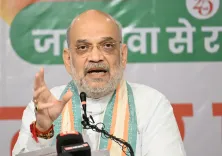
Bihar CM Samrat Choudhary Hails GI Tags for Three State Crafts
Synopsis
Bihar Chief Minister Samrat Choudhary on June 14, 2026 congratulated the state after three traditional crafts — Nalanda's Bawan Buti saree, Gaya's Patharkatti stone craft, and Bhojpur's Pidhia painting — received GI tags, a recognition he said would empower artisans and strengthen Bihar's global cultural identity.
Key Takeaways
Three Bihar crafts received Geographical Indication (GI) tags: Bawan Buti saree and fabric (Nalanda), Patharkatti stone craft (Gaya), and Pidhia painting (Bhojpur).
Bihar CM Samrat Choudhary announced the recognition on June 14, 2026 , extending congratulations to all residents of the state.
GI tags are granted under India's Geographical Indications of Goods Act, 1999 , providing legal protection against imitation and enabling premium market access.
Bihar's Madhubani paintings were among the state's first GI-tagged products, registered in 2007 ; the new tags extend that legacy to three more districts.
Local artisans in Nalanda, Gaya, and Bhojpur are the primary beneficiaries, with potential gains in pricing, market access, and eligibility for government craft-promotion schemes.
Further GI applications from Bihar districts and integration with the One District One Product and Incredible India frameworks are anticipated.
Bihar Chief Minister Samrat Choudhary on Sunday, June 14, 2026, congratulated the people of Bihar after three of the state's traditional crafts received Geographical Indication (GI) tags, calling the recognition a tribute to the state's artisans and cultural heritage. The three newly tagged products are Nalanda's Bawan Buti saree and fabric, Gaya's Patharkatti stone craft, and Bhojpur's Pidhia painting.
Context
Posting in Hindi on X, CM Choudhary extended 'हार्दिक बधाई' (heartfelt congratulations) to all residents of the state, saying the GI tags represent 'respect for the distinctiveness of our art, craft and traditional skills.' He added that the achievement would 'empower Bihar's cultural identity on the global stage' while encouraging local artisans.
The three crafts span three distinct districts — Nalanda, Gaya, and Bhojpur — reflecting the geographic breadth of Bihar's artisanal traditions. Each product carries a centuries-old lineage tied to the region's social and religious fabric.
Policy Backdrop
GI tags in India are granted under the Geographical Indications of Goods (Registration and Protection) Act, 1999, enacted to fulfil India's commitments under the WTO's TRIPS Agreement. The tag grants legal protection to region-specific products, preventing unauthorised use of their names and ensuring that only genuine producers from the designated area can market them under that identity.
Bihar's Madhubani paintings were among the state's earliest GI-registered products, receiving recognition in 2007. The three new additions continue that trajectory, placing Bihar alongside states such as Uttar Pradesh and Rajasthan in actively seeking GI protection for handicrafts and textiles as a tool for rural economic development.
Nationally, India has steadily expanded its GI registry for handicrafts, textiles, and agricultural products, linking cultural preservation with the broader 'Made in India' economic agenda. Frameworks such as the One District One Product scheme have further incentivised state governments to identify and promote district-level specialities.
Stakeholders and Impact
The most direct beneficiaries are the local artisans and weavers in Nalanda, Gaya, and Bhojpur. A GI tag typically provides producers with a legal shield against imitation goods, opens pathways to premium pricing in domestic and export markets, and improves access to government craft-promotion schemes.
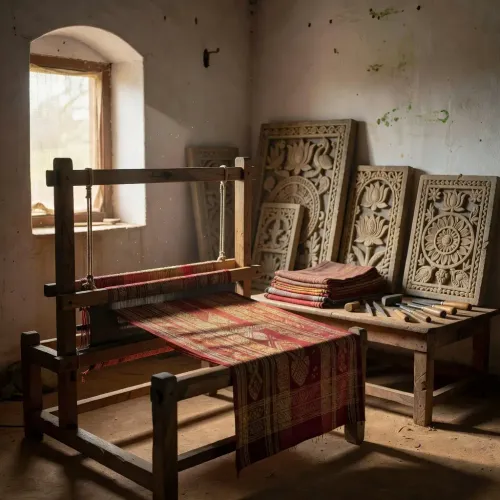
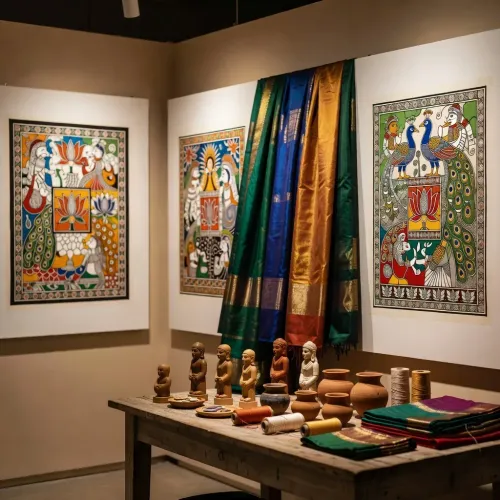
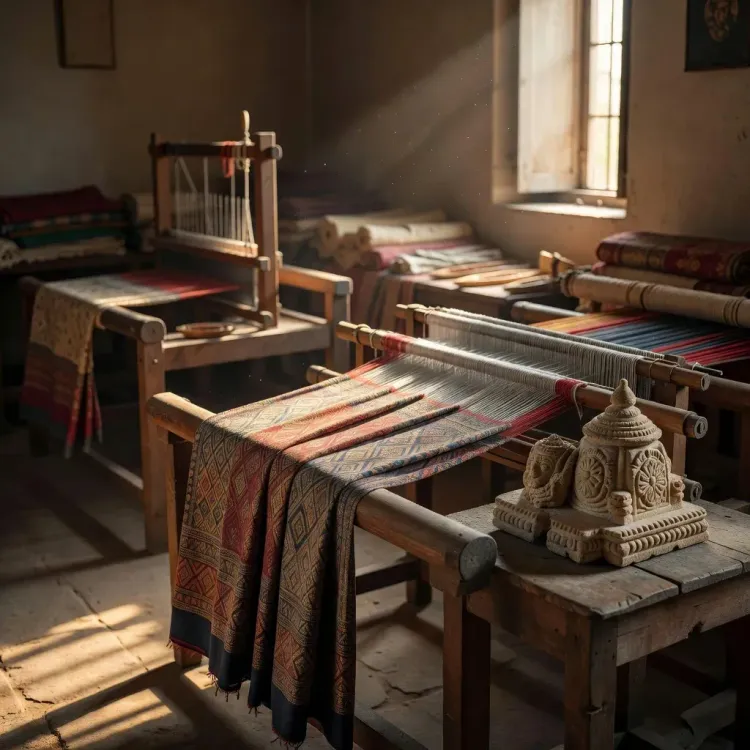
Bawan Buti sarees, named for their distinctive 'bawan' (fifty-two) motifs, are woven in the Nalanda region and have a dedicated base of buyers in Bihar and beyond. Patharkatti stone craft from Gaya — a major Hindu and Buddhist pilgrimage centre — involves intricate carving of local stone into decorative and religious objects. Pidhia painting is a folk art from Bhojpur, traditionally created on wooden pidhias (low stools) and associated with auspicious rituals.
For consumers and buyers, the GI tag serves as a quality and authenticity marker, potentially boosting demand at craft fairs, e-commerce platforms, and export channels.
What's Next
The state government is expected to integrate these newly tagged products into existing marketing and export-promotion channels, including craft exhibitions and the Incredible India tourism brand. Further GI applications from other Bihar districts are likely as the state continues to document and formalise its artisanal heritage.
Sustained impact will depend on post-registration support — including training, financing, and market linkages for artisan clusters — to translate the legal recognition into measurable livelihood gains on the ground.
Point of View
Which frames heritage preservation as both an identity statement and an economic strategy ahead of the state's electoral cycle. By spotlighting three geographically diverse districts — Nalanda, Gaya, and Bhojpur — CM Choudhary signals an inclusive outreach across Bihar's cultural map rather than a single-region focus. The move also aligns with the Centre's push to expand India's GI registry as a soft-power and rural-livelihood tool, giving the state government a policy win it can amplify through craft fairs and export channels. The real test, however, will be whether post-registration support — financing, training, and market linkages — reaches artisan clusters or whether the tag remains a symbolic milestone.
NationPress
14 Sept 2026
Frequently Asked Questions
Which Bihar crafts got GI tags in 2026?
Three Bihar crafts received GI tags: Nalanda's Bawan Buti saree and fabric, Gaya's Patharkatti stone craft, and Bhojpur's Pidhia painting, as announced by Chief Minister Samrat Choudhary on June 14, 2026.
What is a GI tag and why does it matter for artisans?
A Geographical Indication (GI) tag is a legal certification under India's GI Act 1999 that links a product to its region of origin, protecting it from imitation and helping genuine artisans access premium markets and government support schemes.
What is Bawan Buti saree from Nalanda?
The Bawan Buti saree is a traditional handwoven textile from the Nalanda district of Bihar, distinguished by its fifty-two ( bawan ) characteristic motifs woven into the fabric.
What is Patharkatti stone craft from Gaya?
Patharkatti stone craft is a traditional art form from Gaya, Bihar, involving intricate carving of local stone into decorative and religious objects, with deep roots in the district's pilgrimage culture.
How many GI tags does Bihar have?
Bihar's GI-tagged products include Madhubani paintings, registered in 2007, and now three additional crafts — Bawan Buti saree, Patharkatti stone craft, and Pidhia painting — though the complete current count of all Bihar GI tags is subject to ongoing registrations.