Nitish Kumar Hails GI Tags for Three Bihar Crafts
Synopsis
Former Bihar Chief Minister Nitish Kumar has welcomed GI tags for three traditional Bihar products — Nalanda's Bawan Booti saree, Gaya's Patharkatti stone craft, and Bhojpur's Pidhiya painting — saying the recognition will strengthen their authenticity and raise Bihar's cultural profile nationally and globally.
Key Takeaways
Three Bihar products — Nalanda's Bawan Booti saree and fabric, Gaya's Patharkatti stone craft, and Bhojpur's Pidhiya painting — have received Geographical Indication (GI) tags.
Former Chief Minister Nitish Kumar called the development 'a matter of happiness' and congratulated all craftsmen, weavers, artists, and associated institutions.
GI tags under India's Geographical Indications of Goods (Registration and Protection) Act, 1999 provide legal protection and help authenticate regional products in domestic and export markets.
The recognition is expected to strengthen the distinct identity and authenticity of these products and enhance Bihar's cultural prestige nationally and internationally.
Beneficiaries include handloom weavers of Nalanda , stone artisans of Gaya , and folk painters of Bhojpur .
The GI tags may open pathways to premium pricing, craft fair participation, and e-commerce visibility for these artisan communities.
Former Bihar Chief Minister Nitish Kumar on Sunday, 14 June 2026, welcomed the conferral of Geographical Indication (GI) tags on three traditional Bihar products — Nalanda's Bawan Booti saree and fabric, Gaya's Patharkatti stone craft, and Bhojpur's Pidhiya painting — calling it a matter of great joy for the state's artisan communities.
In his post on X, Kumar wrote: 'नालंदा की बावन बूटी साड़ी एवं फैब्रिक, गया के पत्थरकट्टी स्टोन क्राफ्ट तथा भोजपुर की पिढ़िया पेंटिंग को भौगोलिक संकेतक (GI) टैग प्राप्त होना प्रसन्नता का विषय है।' ('It is a matter of happiness that Nalanda's Bawan Booti saree and fabric, Gaya's Patharkatti stone craft, and Bhojpur's Pidhiya painting have received the Geographical Indication tag.')
Context
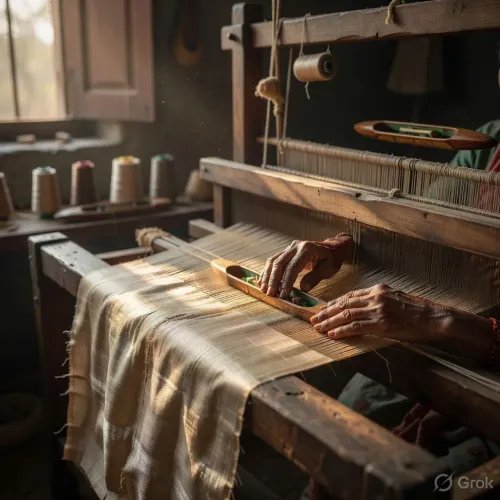
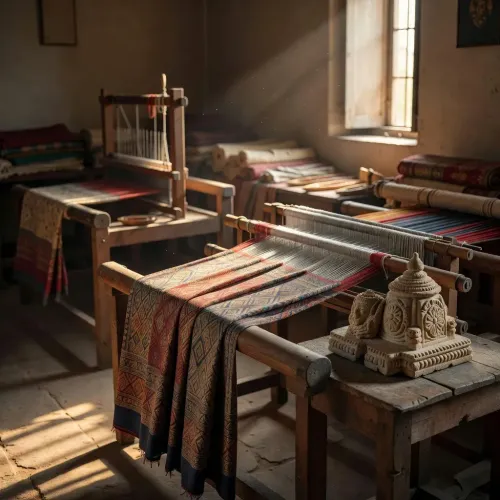
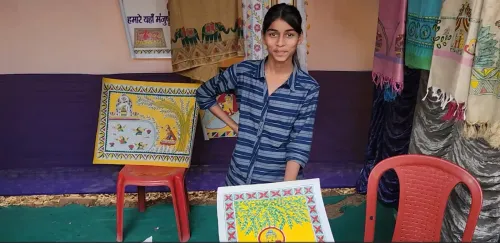
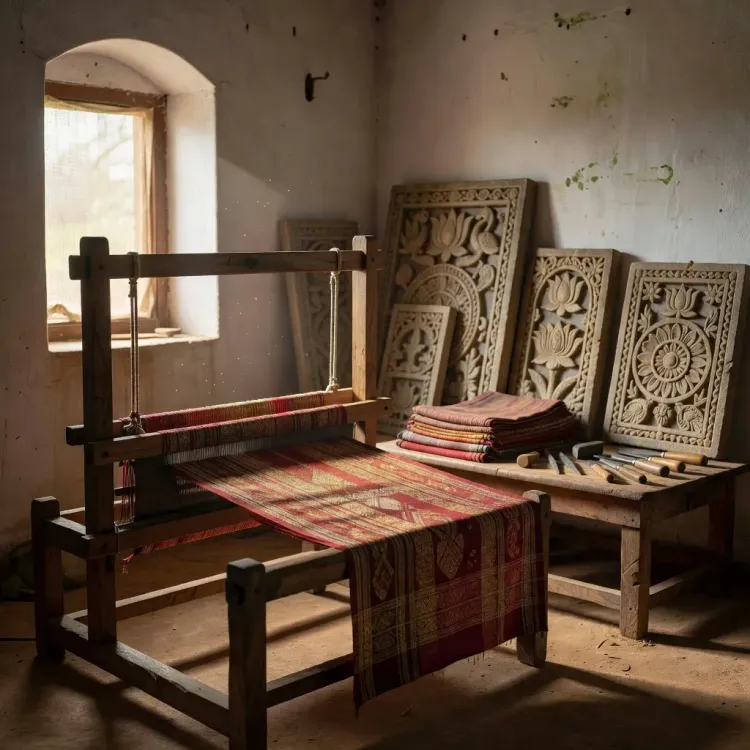
Bawan Booti is a distinctive handloom textile tradition from Nalanda district, characterised by intricate fifty-two-motif weave patterns. Patharkatti stone craft from Gaya represents a centuries-old tradition of stone carving practised by specialised artisan communities in the region. Pidhiya painting from Bhojpur is a folk art form with deep roots in the district's rural cultural life. The GI tag formally recognises each product's link to its place of origin and its community of makers.
Policy Backdrop
India's Geographical Indications of Goods (Registration and Protection) Act, 1999 provides legal protection to products whose quality, reputation, or characteristics are essentially attributable to their geographical origin. A GI tag prevents unauthorised use of the product name and helps distinguish authentic goods in both domestic and export markets. India has steadily expanded GI registrations across textiles, stonework, and folk arts to protect heritage crafts and raise artisan incomes.
Bihar has previously secured GI status for products such as Madhubani painting and Sujni embroidery, and successive state governments have supported craft clusters through documentation and marketing initiatives. The addition of three more GI-tagged products from distinct districts continues this pattern of state-level heritage protection.
Stakeholders and Impact
The immediate beneficiaries are the handloom weavers of Nalanda, stone artisans of Gaya, and folk painters of Bhojpur. GI recognition is expected to strengthen the authenticity and distinct identity of these products, as Kumar noted, and can open pathways to premium pricing, brand recognition, and participation in national and international craft fairs. Kumar extended 'heartfelt congratulations and best wishes' to all craftsmen, weavers, artists, and associated institutions across the state.
Consumers and buyers also benefit: the GI tag functions as a quality assurance signal, reducing the risk of counterfeit or imitation goods being passed off as authentic regional products.
What's Next
GI certification typically precedes state and central government marketing drives, including participation in GI exhibitions, inclusion on e-commerce platforms under dedicated craft categories, and promotion through export councils. Artisan clusters in Nalanda, Gaya, and Bhojpur may see enhanced support for production scale-up and market linkages as awareness of the newly tagged products grows. Bihar's cultural heritage, as Kumar put it, is now positioned to gain 'greater prestige across the country and the world.'
Point of View
Now in a national party role rather than the Chief Minister's chair, publicly welcoming such recognition allows him to remain associated with Bihar's progress without holding executive office. The move also reflects a broader national strategy of leveraging GI status to formalise and monetise India's craft economy, with Bihar seeking to position its artisan clusters alongside better-known GI products from other states. Whether the recognition translates into sustained income gains for weavers and craftspeople will depend on follow-through in marketing, credit access, and supply-chain support.
NationPress
14 Sept 2026
Frequently Asked Questions
What is the Bawan Booti saree and why did it get a GI tag?
The Bawan Booti saree is a traditional handloom textile from Nalanda district in Bihar, distinguished by its intricate pattern of fifty-two motifs woven into the fabric. It received a Geographical Indication tag to formally recognise its link to Nalanda and protect it from imitation.
What is Patharkatti stone craft from Gaya?
Patharkatti stone craft is a centuries-old tradition of stone carving practised by artisan communities in Gaya, Bihar. The GI tag recognises its unique regional character and helps authenticate products made by local craftspeople.
What is Pidhiya painting from Bhojpur?
Pidhiya painting is a folk art form rooted in the rural cultural life of Bhojpur district in Bihar. It has now been granted a Geographical Indication tag, giving it legal protection and a distinct identity in the market.
What does a GI tag mean for Bihar artisans?
A GI tag under India's Geographical Indications of Goods (Registration and Protection) Act, 1999 legally protects a product's name and origin, prevents counterfeiting, and can help artisans access premium markets, craft fairs, and e-commerce platforms with a certified authentic identity.
What did Nitish Kumar say about the GI tags for Bihar crafts?
Nitish Kumar said the conferral of GI tags on the three Bihar products was 'a matter of happiness,' adding that it would strengthen their authenticity and distinct identity and bring greater prestige to Bihar's rich cultural heritage nationally and internationally. He extended congratulations to all craftsmen, weavers, artists, and associated institutions.