CM Bhajan Lal Reviews Rajasthan Power Supply, Pushes Renewables
Synopsis
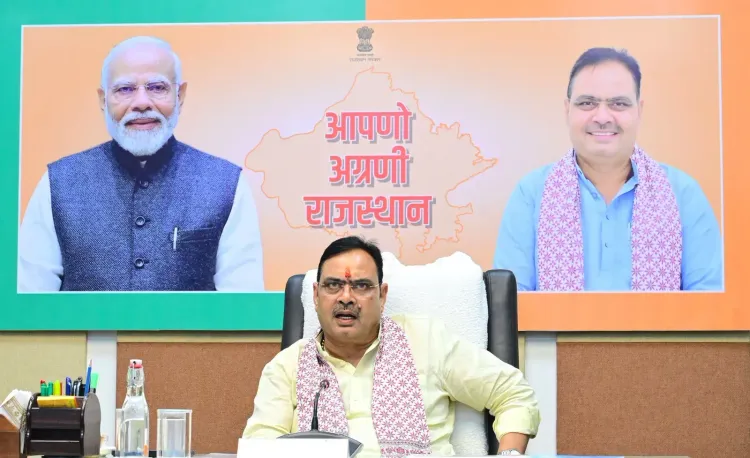
Chief Minister Bhajan Lal Sharma reviewed Rajasthan's power supply and renewable energy projects on 12 November 2026, directing officials to ensure uninterrupted electricity, accelerate solar project timelines, and face strict action for negligence.
Key Takeaways
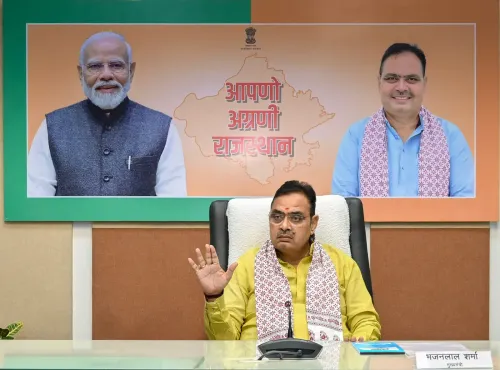
CM Bhajan Lal Sharma chaired a review of Rajasthan's energy department on 12 November 2026 .
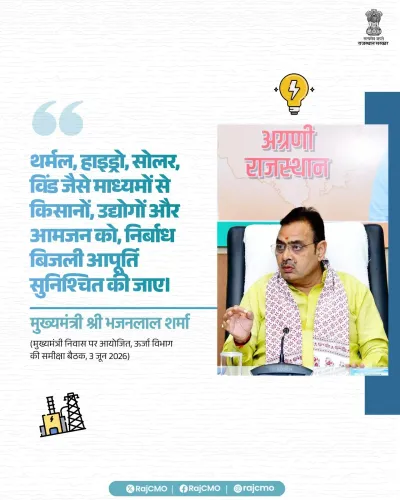
Officials were directed to ensure uninterrupted power supply statewide and swiftly restore damaged grid infrastructure.
Solar and renewable energy projects must meet their predetermined timelines , with regular monitoring mandated.
Negligent officers were warned of strict administrative action .
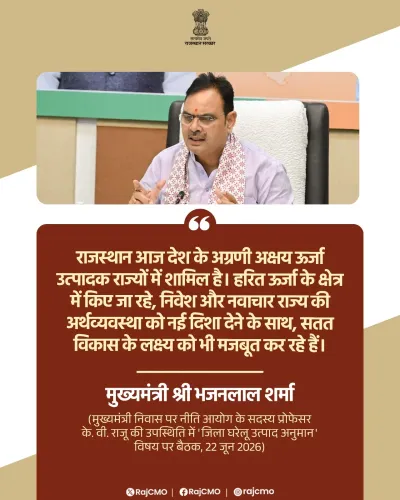
Rajasthan aims to reinforce its position as India's renewable energy leader, aligned with India's 500 GW non-fossil fuel target by 2030 .
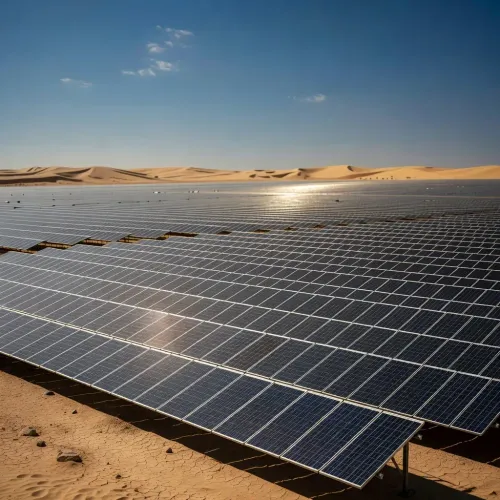
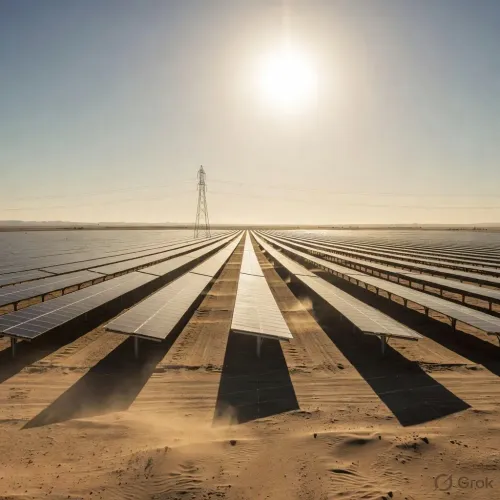
The state is home to the Bhadla Solar Park , one of the world's largest solar installations.
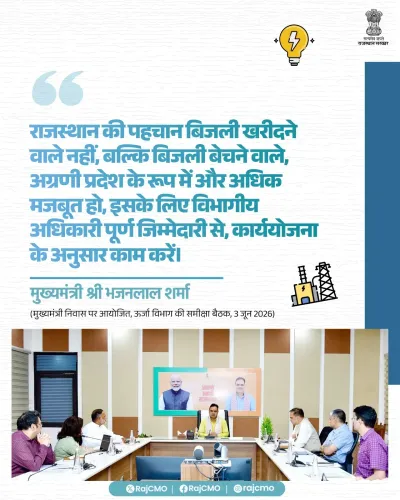
Uninterrupted electricity across every district, faster repair of damaged infrastructure, and solar projects delivered on deadline — Rajasthan Chief Minister Bhajan Lal Sharma set those as non-negotiable benchmarks when he chaired a high-level review of the state's energy department on Thursday, 12 November 2026. Officials who fall short, he warned, will face strict action.
What the CM ordered in the review room
Sharma directed energy department officials to guarantee seamless power supply across Rajasthan, swiftly restore any damaged grid infrastructure, and strengthen the foundational distribution network. The meeting zeroed in on the status of ongoing solar and renewable energy projects, with explicit orders to meet their निर्धारित समयसीमा ('predetermined timelines') without slippage.
Accountability was placed front and centre. The CM mandated नियमित मॉनिटरिंग — regular, structured monitoring of all ongoing works — and made clear that negligent officers would face consequences. The directive signals that the government intends to treat missed deadlines and poor oversight as administrative offences, not procedural inconveniences.
Rajasthan's solar ambition and the Bhadla benchmark
Rajasthan is already home to the Bhadla Solar Park, one of the world's largest solar installations, and successive state governments have positioned the desert state as India's renewable energy frontier. The state's policies are closely aligned with India's national goal of 500 GW of non-fossil fuel power capacity by 2030 — a target that demands relentless project execution rather than just announcement cycles.
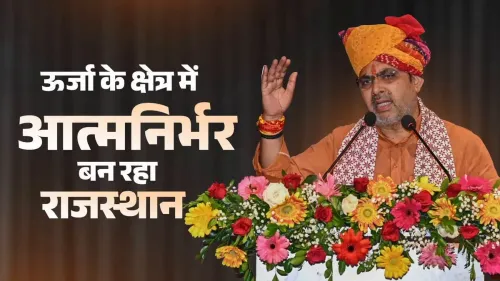
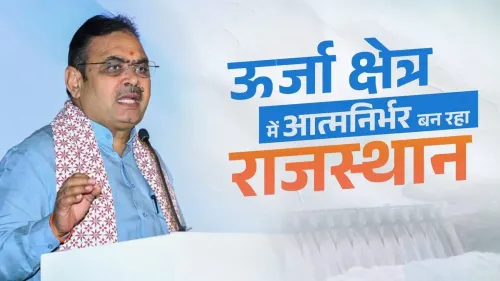
Sharma, who took office in December 2023, has consistently framed energy self-reliance as a pillar of his administration. His post restated that commitment: 'हमारी सरकार ऊर्जा के क्षेत्र में आत्मनिर्भर राजस्थान की उपलब्धियों को और सुदृढ़ करते हुए स्वच्छ एवं नवीकरणीय ऊर्जा के क्षेत्र में प्रदेश की अग्रणी भूमिका को नई ऊंचाइयों तक पहुँचाने के लिए प्रतिबद्ध है' — 'Our government is committed to strengthening Rajasthan's self-reliance in energy and taking the state's leading role in clean and renewable energy to new heights.'
Accountability as governance tool
High-level energy reviews are standard administrative practice in large states, but the explicit threat of action against negligent officials adds an edge that separates intent from routine bureaucratic exercise. Rajasthan's transmission and distribution network — stretched across India's largest state by area — has historically been a bottleneck between generation capacity and actual delivery to consumers.
The push for infrastructure reinforcement alongside renewable expansion reflects a mature reading of the challenge: adding gigawatts at the generation end is meaningless if the grid cannot carry the power to homes and farms. Watch for state-level capacity addition announcements and project completion disclosures in the coming quarter as the real scorecard of these directives.
Point of View
But its value depreciates rapidly if distribution infrastructure cannot deliver that power to end consumers. Issuing strict-action warnings in public, via social media, also serves a political function: it pre-empts blame if shortfalls materialise, by establishing that the CM had personally intervened. The broader arc to watch is whether these directives translate into measurable capacity additions before the state's next budget cycle.
NationPress
12 Nov 2026
Frequently Asked Questions
What did CM Bhajan Lal Sharma say at the energy department review?
CM Sharma directed officials to ensure uninterrupted power supply across Rajasthan, restore damaged grid infrastructure quickly, complete solar and renewable projects on schedule, and face strict action for negligence.
When did Bhajan Lal Sharma become Chief Minister of Rajasthan?
Bhajan Lal Sharma became Chief Minister of Rajasthan in December 2023 after the BJP's victory in the state assembly elections.
What is Rajasthan's role in India's renewable energy sector?
Rajasthan is one of India's leading states in renewable energy, home to the Bhadla Solar Park — among the world's largest solar installations — and its policies are aligned with India's national target of 500 GW non-fossil fuel capacity by 2030.
What is India's national renewable energy target?
India aims to achieve 500 GW of non-fossil fuel power generation capacity by 2030 , and states like Rajasthan are key to meeting that goal through large-scale solar and wind projects.
What action did CM Bhajan Lal Sharma threaten for negligent energy officials?
CM Sharma explicitly warned that officers found negligent in monitoring ongoing energy works or missing project timelines would face strict administrative action .