PoK protests go global Aug 13; AAC declares Pakistan's I-Day a Black Day

Synopsis
The Awami Action Committee is taking the PoK crisis global — calling on a two-million-strong diaspora to rally outside Pakistani embassies on 13 August and declare Pakistan's Independence Day a Black Day. With over 60 deaths alleged, an information blackout in place, and Islamabad's peace-broker image at stake, the next 72 hours could determine whether this becomes an international human-rights crisis Pakistan can no longer contain.
Key Takeaways
The Awami Action Committee (AAC) has called for worldwide rallies on 13 August outside Pakistani embassies and diplomatic missions .
The AAC has declared 14 August — Pakistan's Independence Day — a Black Day .
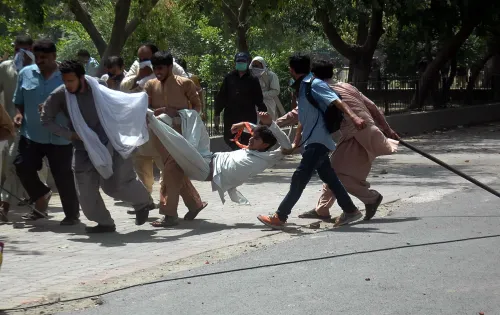
Protesters allege Pakistani security forces have killed more than 60 people and injured over 500 others in more than two months of unrest.
Approximately 2 million people of PoK origin live abroad; the UK alone hosts an estimated 1–1.5 million .
Officials allege reports from the region reflect only 20–30% of actual ground conditions due to a deliberate information blackout by the Pakistani establishment.
Analysts warn the situation is likely to worsen unless sustained international pressure is brought to bear.
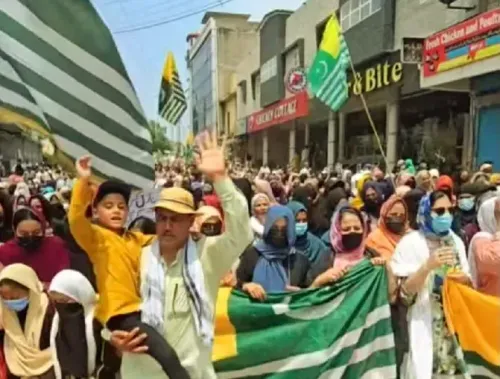
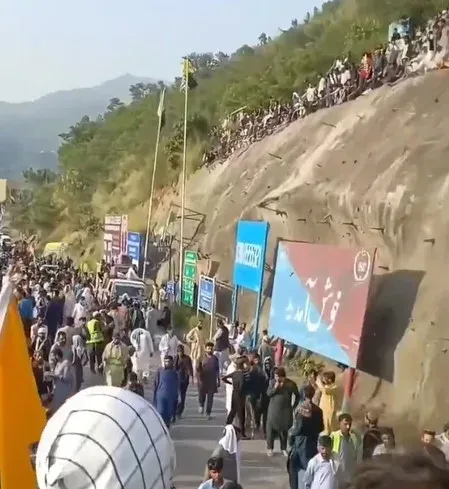
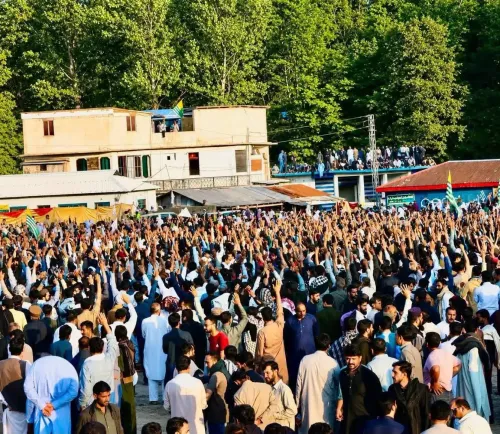
The Awami Action Committee (AAC), the primary organising body behind months-long protests in Pakistan-occupied Kashmir (PoK), has called on Kashmiris worldwide to hold rallies on 13 August and observe 14 August — Pakistan's Independence Day — as a Black Day. The decision, announced on 11 August from New Delhi, marks a significant escalation in a movement that has now lasted more than two months with no negotiated resolution in sight.
Key Developments
The AAC has directed Kashmiris living abroad to stage demonstrations outside Pakistani embassies and diplomatic missions in multiple countries on 13 August. The committee has framed the international campaign as a bid to force the global community to confront what it alleges is systematic state violence against PoK residents.
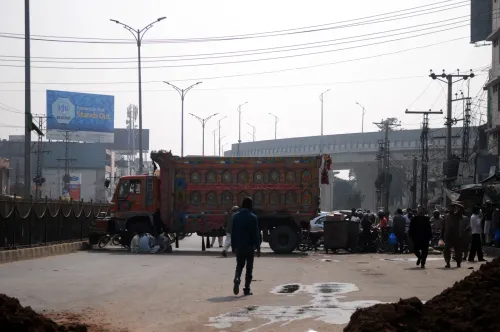
Protesters have alleged that Pakistani security forces have killed more than 60 people and injured over 500 others since the unrest began. Concerns over forced disappearances in the region have also mounted, according to reports emerging from the area. The AAC has characterised these incidents as state-sponsored terror by the Pakistani establishment — a charge Islamabad has not publicly addressed in detail.
The Diaspora Factor
The AAC's global outreach is anchored in the size and geographic spread of the PoK diaspora. According to officials tracking the situation, approximately two million people originally from PoK currently live abroad. The majority trace their roots to the Kotli, Bhimber, and Mirpur districts.
The United Kingdom hosts the largest concentration, with estimates ranging from 1 million to 1.5 million individuals of PoK origin. Significant communities also reside in the Middle East, North America, Canada, and the United States. If mobilised effectively, this diaspora could amplify the AAC's narrative far beyond what ground-level protests alone have achieved.
Information Blackout Allegations
Officials said the Pakistani establishment has actively worked to restrict communication between PoK and the outside world, reportedly to prevent the crisis from gaining international traction. According to these officials, reports emerging from the region may represent only 20 to 30 per cent of what is actually happening on the ground — suggesting that actual figures for deaths, disappearances, and injuries could be significantly higher than those currently documented.
With the AAC now mobilising a global campaign, officials expect the establishment to further tighten restrictions on information flows from the region.
What Officials and Experts Are Saying
An official familiar with the situation said the international push 'could well be a turning point for the people of the region,' adding that the PoK issue has so far failed to gain the international traction it warrants. A second official stressed that sustained global pressure is the only credible deterrent: 'These atrocities will never stop until the global community starts speaking about it. More importantly, it will also expose Pakistan's bluff, as since the start of the protests, the establishment has been trying to pass off the protesters as terrorists,' the official said.
Analysts monitoring the situation warn that with neither side showing signs of backing down, conditions in PoK are likely to deteriorate further. They argue that only a sustained global discourse — involving world leaders — can create the diplomatic pressure needed to halt the violence.
What Happens Next
Pakistan has a strategic interest in keeping the PoK crisis contained. Officials note that Islamabad has positioned itself internationally as a peace broker, making a high-profile human-rights controversy on its own administered territory particularly damaging. The response to the AAC's global call on 13 August will be an early indicator of whether the movement can shift from a regional flashpoint to an issue of sustained international concern.
Point of View
So the committee is now trying to internationalise the cost for Islamabad. Pakistan's vulnerability here is real — its carefully cultivated image as a regional peace broker sits awkwardly alongside allegations of security-force killings in its own administered territory. What mainstream coverage underplays is the information asymmetry: if officials are right that only 20–30% of ground reality is surfacing, the documented toll of 60 dead and 500 injured may be a fraction of the actual human cost. The diaspora card is the AAC's strongest lever, but it is also the hardest to sustain — diaspora mobilisation tends to peak around symbolic dates and fade without institutional backing.
NationPress
25 Sept 2026
Frequently Asked Questions
Why are PoK protests going global from 13 August?
The Awami Action Committee has called on the PoK diaspora worldwide to hold rallies outside Pakistani embassies on 13 August to draw international attention to the alleged use of force by the Pakistani establishment against PoK residents. The move follows more than two months of unrest during which protesters allege over 60 people have been killed and 500 injured, with no resolution reached.
What is the Awami Action Committee (AAC)?
The Awami Action Committee is the primary civil-society body organising the ongoing protests in Pakistan-occupied Kashmir. It has been leading demonstrations against the Pakistani establishment for more than two months and has now escalated its campaign by calling for global rallies and declaring Pakistan's Independence Day a Black Day.
Why has the AAC declared 14 August a Black Day?
The AAC declared 14 August — Pakistan's Independence Day — a Black Day to signal that PoK residents do not consider themselves free under Pakistani administration. The declaration coincides with its call for global rallies, designed to maximise symbolic impact and international media attention.
How large is the PoK diaspora and where do they live?
Approximately two million people of Pakistan-occupied Kashmir origin live abroad, with the largest concentration — estimated at 1 million to 1.5 million — residing in the United Kingdom. Significant communities also exist in the Middle East, North America, Canada, and the United States, primarily originating from the Kotli, Bhimber, and Mirpur districts.
What is Pakistan's position on the PoK protests?
The Pakistani establishment has not publicly detailed its response to the AAC's allegations. According to officials tracking the situation, Islamabad has attempted to characterise protesters as terrorists and has reportedly restricted communication from the region to limit international attention. Officials allege that only 20–30% of ground-level events are being reported externally.