PoK turmoil exposes Pakistan's Kashmir policy contradiction
Synopsis
Pakistan has spent decades positioning itself as the defender of Kashmiri rights — but the violent crackdown on civilian protesters in PoK, the banning of the JAAC under anti-terror law, and diaspora demonstrations outside Pakistani missions in London, Bradford, and Birmingham are forcing a reckoning with that claim. The 'jugular vein' rhetoric has rarely looked more hollow.
Key Takeaways
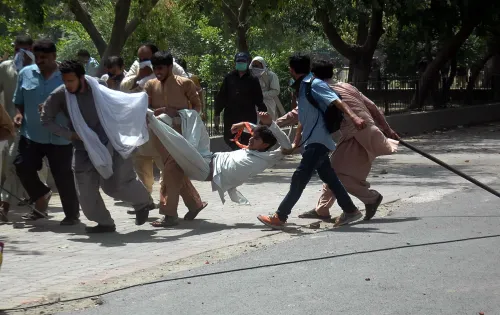
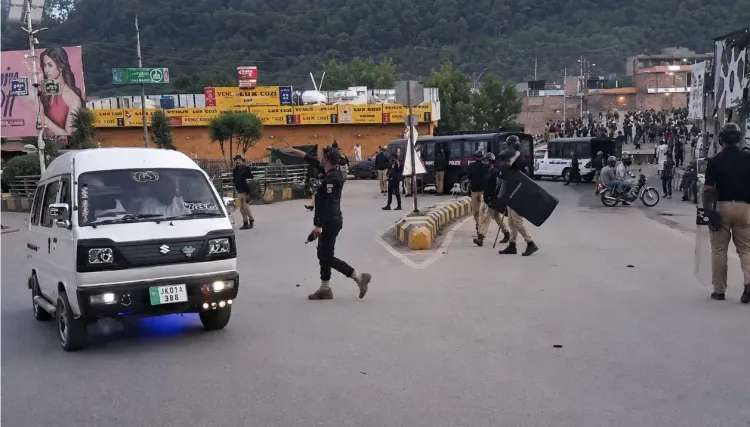
Protests in Pakistan Occupied Kashmir (PoK) have been met with alleged use of force, arbitrary arrests, and communication blackouts, with no verified death toll available.
The Joint Awami Action Committee (JAAC) was banned under Pakistan's anti-terror laws after calling for a march to Muzaffarabad against refugee seat reservations in forthcoming PoK Assembly elections.
More than 50 British lawmakers reportedly wrote to Home Secretary Yvette Cooper urging scrutiny of the crackdown; protests were held outside Pakistani missions in London , Bradford , Birmingham , and Manchester .
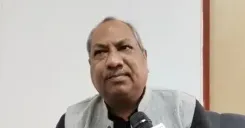
National Conference President Farooq Abdullah called for UN intervention; Mirwaiz Umar Farooq appealed for peaceful resolution — but broader public mobilisation in the Valley has remained limited.
Calls for 'azadi' are reportedly growing in PoK itself, even as militant infrastructure linked to elements of the Pakistani establishment continues to operate in the territory.
There is no verified death toll from the unrest in Pakistan Occupied Kashmir (PoK), and given the Pakistani establishment's long-documented record of restricting information from the region, an accurate count may never emerge. What is unfolding, however, is drawing unprecedented scrutiny to a territory that Islamabad has long kept out of international view.
What Is Happening in PoK
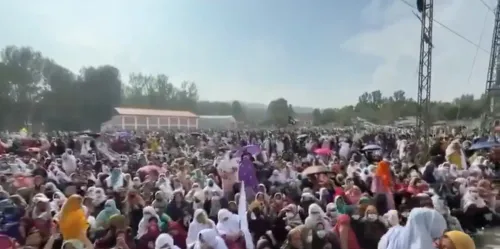
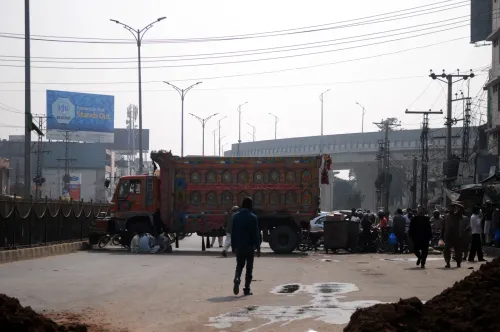
Recent protests in PoK have been met with what demonstrators describe as a heavy-handed crackdown — including the use of force against civilians, arbitrary arrests, and communication blackouts. These allegations are not new; similar incidents have recurred over the years with little international consequence. This time, the response has been markedly different.
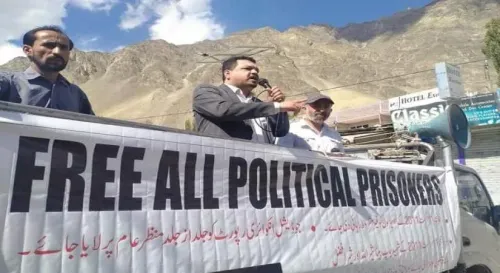
At the centre of the unrest is the Joint Awami Action Committee (JAAC), an umbrella body of civil society activists, traders, students, lawyers, and socio-religious groups. The JAAC had called for a march to Muzaffarabad to protest the reservation of 12 seats for refugees in the forthcoming PoK Assembly elections. The Pakistani government subsequently banned the organisation under the country's anti-terror laws — a move critics argue is designed to suppress legitimate political dissent rather than address any genuine security threat.
The JAAC had originally mobilised around bread-and-butter issues: rising electricity tariffs, inflation, and governance failures. Over time, it evolved into a broader platform for political and economic grievances — making its banning, analysts say, a signal of how threatened the Pakistani establishment feels by organised civic opposition in the territory.
Diaspora Protests and International Attention
The crackdown has triggered protests among sections of the Kashmiri diaspora in the United Kingdom, the United States, and parts of Western Europe. Demonstrators have staged sit-ins outside Pakistani diplomatic missions, accusing Islamabad of suppressing dissent and demanding international scrutiny.
In the United Kingdom, protests were reported outside the Pakistani High Commission in London, the Pakistani Consulate in Bradford, and in Birmingham and Manchester. Reportedly, more than 50 British lawmakers wrote to Home Secretary Yvette Cooper, urging the UK government to examine reports of communication restrictions and the security crackdown in PoK.
Social media has been flooded with images and videos purportedly showing the scale of the unrest — families searching for missing relatives, communities grappling with the aftermath of violence. While the authenticity of individual posts cannot be independently verified, the volume and consistency of accounts has made the situation difficult to dismiss.
The Pakistan Contradiction
For decades, groups backed by the Pakistani establishment organised protests outside Indian embassies, held international conferences, and campaigned against New Delhi on the Kashmir issue. Pakistan's claim that Kashmir is its 'jugular vein' has been a cornerstone of its foreign policy posture. That claim now sits in sharp relief against the treatment that residents of PoK say they are receiving from the same state.
Calls for 'azadi' — long associated with parts of Jammu and Kashmir on the Indian side — are reportedly now being heard from sections of PoK itself, where anti-Pakistan sentiment appears to be growing. The territory, critics note, also continues to host militant infrastructure linked to elements within the Pakistani establishment, presenting a troubling dual reality: alleged political marginalisation of civilians alongside the continued operation of militant networks.
Response From the Kashmir Valley
The reaction from the Kashmir Valley has been relatively muted. National Conference President Farooq Abdullah called for international attention and urged the United Nations to examine the situation. Kashmir's chief cleric, Mirwaiz Umar Farooq, appealed for engagement and a peaceful resolution. Beyond such statements, however, no widespread public mobilisation has materialised against the Pakistani establishment's actions in PoK.
What the Unrest Signals
The developments in PoK are not merely a local disturbance. They represent a direct challenge to a narrative that Islamabad has spent decades constructing before the world — that Pakistan is the natural champion of Kashmiri rights and aspirations. The events of recent weeks suggest that an increasing number of people in PoK itself no longer accept that framing.
For those who advocate renewed dialogue with Pakistan on Kashmir, the situation in PoK raises uncomfortable questions that will be difficult to set aside.
Point of View
The banning of a grassroots civic body under anti-terror law, and the silence of the state on civilian casualties have now made that claim untenable in a way that years of Indian counter-narrative never quite managed. What is striking is not the repression itself — that has a long history — but the international visibility it is acquiring, from diaspora streets in Bradford to letters on Yvette Cooper's desk. The Valley's muted response is equally telling: it reflects either a careful political calculation or a deeper ambivalence about confronting the contradiction that PoK now embodies. Either way, Islamabad's decades-long narrative architecture is under structural stress it has not faced before.
NationPress
15 Sept 2026
Frequently Asked Questions
What is the JAAC and why was it banned in PoK?
The Joint Awami Action Committee (JAAC) is an umbrella organisation of civil society activists, traders, students, lawyers, and socio-religious groups in Pakistan Occupied Kashmir. It was banned by the Pakistani government under anti-terror laws after calling for a march to Muzaffarabad to protest the reservation of 12 seats for refugees in the forthcoming PoK Assembly elections. Critics argue the ban is an attempt to suppress legitimate political dissent.
What protests have taken place outside Pakistan over the PoK crackdown?
Members of the Kashmiri diaspora staged demonstrations outside Pakistani diplomatic missions in the United Kingdom, the United States, and parts of Western Europe. In the UK, protests were reported outside the Pakistani High Commission in London, the Pakistani Consulate in Bradford, and in Birmingham and Manchester. More than 50 British lawmakers reportedly wrote to Home Secretary Yvette Cooper urging scrutiny of the situation.
How have leaders in the Kashmir Valley responded to the PoK unrest?
The response from the Kashmir Valley has been relatively restrained. National Conference President Farooq Abdullah called for international attention and urged the United Nations to examine the situation, while chief cleric Mirwaiz Umar Farooq appealed for engagement and a peaceful resolution. No widespread public mobilisation against the Pakistani establishment has taken place.
Why does the PoK unrest matter for Pakistan's Kashmir policy?
Pakistan has long claimed to be the champion of Kashmiri rights, describing Kashmir as its 'jugular vein.' The crackdown on civilian protesters in PoK, combined with the banning of a grassroots civic body, directly contradicts that posture. The unrest challenges a narrative Islamabad has spent decades promoting internationally and is drawing scrutiny from diaspora communities and foreign governments.
What is the broader significance of anti-Pakistan sentiment growing in PoK?
Calls for 'azadi' — long associated with parts of Jammu and Kashmir on the Indian side — are reportedly now being heard in PoK itself. This is significant because it suggests that residents of a territory Pakistan claims as its own are increasingly expressing political alienation from Islamabad, even as the region reportedly continues to host militant infrastructure linked to elements within the Pakistani establishment.