Virendra Sachdeva Critiques AAP's Claims on Rs 1,000 Crore Loan
Synopsis
Delhi BJP President Virendra Sachdeva fiercely opposes AAP's Saurabh Bharadwaj for unfounded allegations regarding the management of a Rs 1,000 crore loan, highlighting the standard practices of state governance and the implications of financial mismanagement.
Key Takeaways
Virendra Sachdeva's criticism focuses on AAP's financial management.
The AAP government has left a significant debt burden in Delhi.
Standard practices include borrowing for administrative needs.
Political tensions are rising over economic policies .
International factors influence gas prices in India.
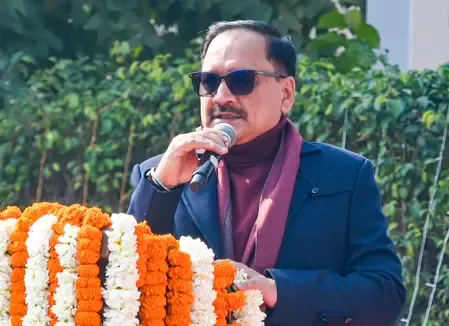
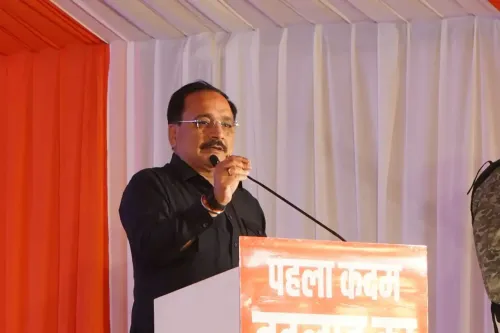
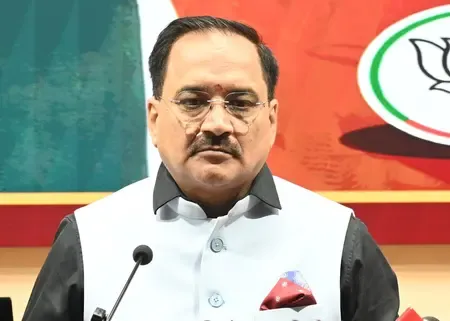
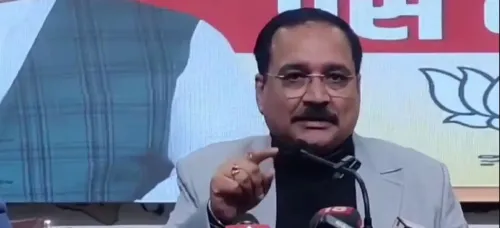
New Delhi, March 7 (NationPress) Delhi BJP President Virendra Sachdeva has harshly criticized Aam Aadmi Party (AAP) city convenor Saurabh Bharadwaj for his “groundless” claims regarding the Delhi government’s handling of a Rs 1,000 crore loan.
Sachdeva asserted that obtaining loans from the Central government, Reserve Bank of India, or financial institutions for both long-term and short-term administrative necessities is a standard practice among state governments.
He pointed out that the Arvind Kejriwal administration itself pursued loans from the Central government in both 2020 and 2022, while the Atishi government had requested a hefty Rs 10,000 crore from the National Small Savings Fund of the Government of India in November 2024 before the elections to fund electoral initiatives.
According to the Delhi government’s own data for 2024–25, after 11 years in governance, the AAP has left a staggering debt of Rs 1,20,000 crore.
Sachdeva emphasized that while the Rekha Gupta administration has only suggested a loan of Rs 1,000 crore in its inaugural year for developmental purposes, the “AAP government” had aimed to take out a Rs 10,000 crore loan just two months prior to the elections for electoral benefits.
He also mentioned that Bharadwaj should reflect on his party's own financial demands, especially considering that the Punjab government, led by his party, accrued loans totaling Rs 50,000 crore in its first year, resulting in Punjab now facing a debt exceeding Rs 4 lakh crore.
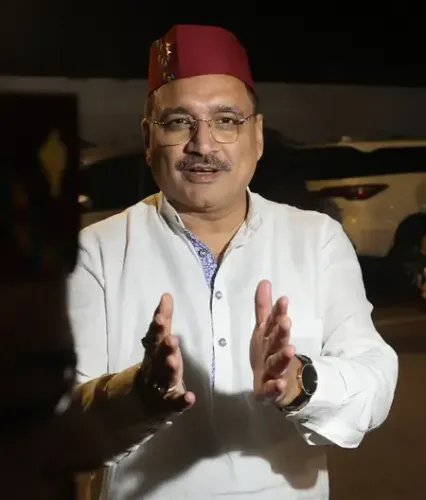
In a separate statement, Delhi BJP Spokesperson Praveen Shankar Kapoor remarked that the comments made by leaders of the Congress and AAP regarding the rise in cooking gas prices are politically driven.
Kapoor noted that these politicians, who indulge in trivial and opportunistic politics, should be aware that approximately three-fourths of India’s gas supply is sourced from Central Asian nations.
He explained that the prices of gas and other fuels in the international market have been fluctuating and rising consistently due to ongoing conflicts in Central Asia, which supplies a major portion of India’s gas. The costs associated with securing gas supply through new routes have risen significantly, and the recent increase in gas prices is merely an adjustment to cover these costs.
Point of View
With each party leveraging financial issues to challenge the other's governance. This situation underscores the complexities of state financing and the responsibilities that come with political leadership.
NationPress
26 Sept 2026
Frequently Asked Questions
What was Virendra Sachdeva's response to AAP's allegations?
He condemned the accusations as baseless and emphasized that taking loans is a normal administrative practice for state governments.
How much debt has the AAP government reportedly left behind?
According to the Delhi government's own figures, the AAP has left a debt of Rs 1,20,000 crore after 11 years in power.
What financial actions did the AAP government take before elections?
The AAP government sought a loan of Rs 10,000 crore from the National Small Savings Fund just before the elections.
What did Praveen Shankar Kapoor say about cooking gas price increases?
He stated that the remarks by Congress and AAP leaders regarding gas price hikes are politically motivated and should consider the international gas supply dynamics.
What is the significance of loans for state governments?
Taking loans is a common practice for state governments to manage financial needs, whether short-term or long-term.