Amit Shah chairs first BIMSTEC Home Ministers' Meet; Delhi Declaration adopted
Synopsis
India hosted the first-ever BIMSTEC Home Ministers' Meeting in New Delhi on 13 October, with Amit Shah chairing a session that produced the historic Delhi Declaration. The meeting finalised agreements on combating human trafficking, drug control, and terror financing — marking a new chapter in Bay of Bengal regional security architecture.
Key Takeaways
Home Minister Amit Shah chaired the first BIMSTEC Home Ministers' Meeting in New Delhi on 13 October 2026 .
The meeting concluded with the adoption of the Delhi Declaration , a framework for regional security and cooperation.
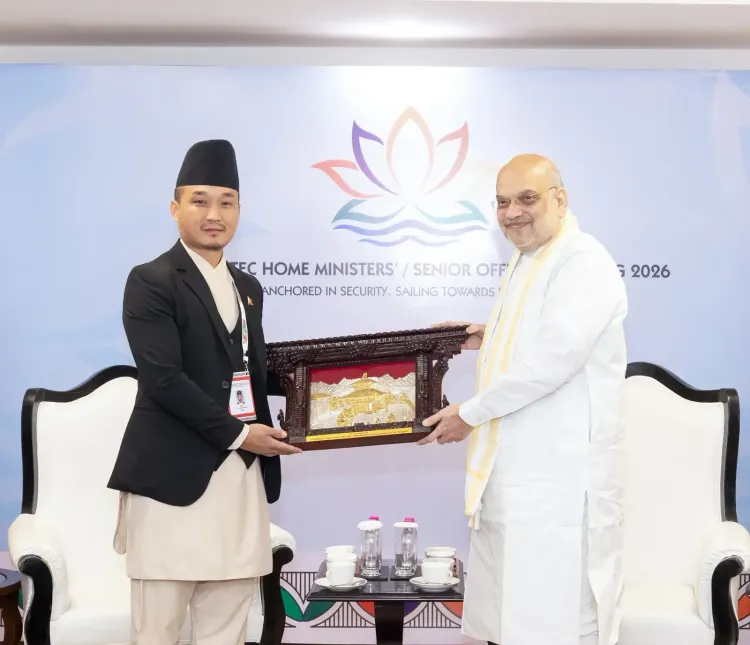
Shah held bilateral meetings with Nepal's Home Minister Sudhan Gurung and Bhutan's Home Minister Lungten Dorji on the sidelines.
Member states finalised the BIMSTEC Convention on Combating Human Trafficking and an Action Plan for Drug Control .
A draft MoU on combating money laundering, illicit financial flows, and terror financing was also advanced.
The meeting addressed five key areas : drug control, counter-terrorism, fugitive repatriation, cybersecurity, and institutional capacity building.
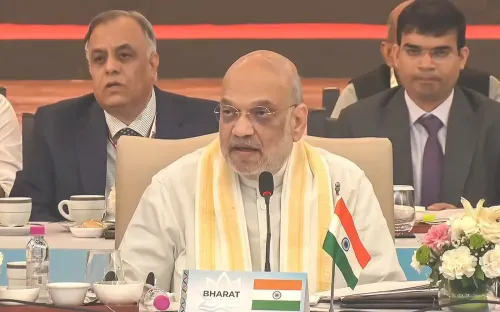
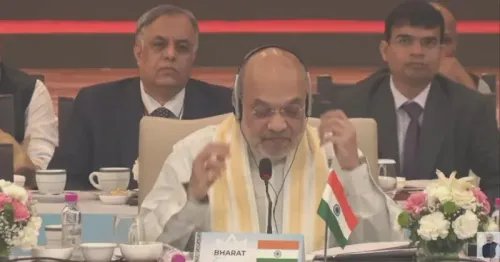
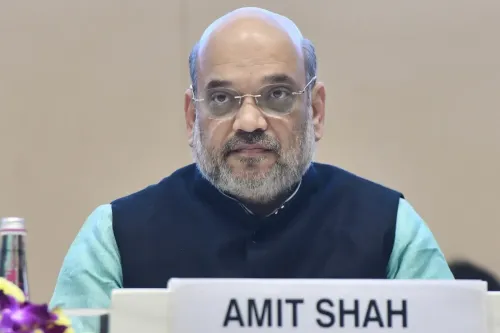
Home Minister Amit Shah on Tuesday, 13 October 2026, met his counterparts from Nepal and Bhutan — Sudhan Gurung and Lungten Dorji respectively — on the sidelines of the first BIMSTEC Home Ministers' Meeting in New Delhi, reaffirming India's commitment to deepening cooperation with both South Asian neighbours. The landmark meeting, chaired by Shah, concluded with the adoption of the Delhi Declaration, marking a significant step in regional security architecture across the Bay of Bengal.
Bilateral Meetings with Nepal and Bhutan
In his meeting with Nepal's Home Minister Sudhan Gurung, Shah underscored the importance of bilateral cooperation for peace, progress, and prosperity in the region. 'We reaffirmed our commitment to deepen bilateral cooperation and further strengthen the close ties between India and Nepal for peace, progress and prosperity in our region,' Shah said in a post on social media platform X.
In a separate meeting with Bhutan's Home Minister Lungten Dorji, Shah reiterated the shared commitment to advancing the bonds of friendship between the two countries. 'Great pleasure meeting Bhutan's Home Minister Lungten Dorji, on the sidelines of the First BIMSTEC Home Ministers' Meeting in New Delhi. We reaffirmed our shared commitment to further strengthen the close bonds of friendship and cooperation between India and Bhutan, advancing our common aspirations for peace, progress and prosperity,' Shah said in another post on X.
Delhi Declaration and Key Outcomes
The first BIMSTEC Home Ministers' Meeting, chaired by Shah, deliberated on a framework for regional cooperation spanning five key areas: drug control; counter-terrorism and legal cooperation; repatriation of fugitives; cybersecurity and cybercrime investigation; and institutional cooperation and capacity building. The session culminated in the adoption of the Delhi Declaration.
Shah described the outcome as 'historic', noting that the meeting 'builds on the vision of PM Narendra Modi at the 6th BIMSTEC Summit' and strengthens regional cooperation for lasting peace, security, and prosperity across the Bay of Bengal.
Agreements on Human Trafficking and Drug Control
Member states made significant progress on two critical instruments: the BIMSTEC Convention on Combating Human Trafficking and an Action Plan for Drug Control, both of which were finalised at the meeting. Additionally, a draft Memorandum of Understanding (MoU) on capacity building to combat money laundering, illicit financial flows, and terror financing was also advanced, according to Shah's statement.
Why This Meeting Matters
The Bay of Bengal Initiative for Multi-Sectoral Technical and Economic Cooperation (BIMSTEC) groups seven nations — India, Bangladesh, Myanmar, Sri Lanka, Thailand, Nepal, and Bhutan — making it a critical platform for sub-regional connectivity and security. This is the first time Home Ministers from member states have convened under its framework, signalling a new phase of institutionalised security dialogue. Notably, the meeting comes at a time when India has been actively deepening its neighbourhood diplomacy, with border security, cross-border crime, and cyberthreats emerging as shared priorities. The Delhi Declaration is expected to serve as the operational roadmap for inter-agency coordination among BIMSTEC members going forward.
Point of View
New Delhi is signalling that BIMSTEC can be a functional anti-crime and counter-terror architecture, not just a connectivity forum. The simultaneous bilateral engagements with Nepal and Bhutan — both of which have complex border and transit dynamics with India — add a layered diplomatic dimension. The real test will be whether the finalised convention on human trafficking and the drug-control action plan translate into verifiable enforcement cooperation, or remain aspirational text.
NationPress
14 Oct 2026
Frequently Asked Questions
What is the BIMSTEC Home Ministers' Meeting and why was it held in New Delhi?
The BIMSTEC Home Ministers' Meeting is the first ministerial-level security conclave under the Bay of Bengal Initiative for Multi-Sectoral Technical and Economic Cooperation, grouping India, Bangladesh, Myanmar, Sri Lanka, Thailand, Nepal, and Bhutan. It was held in New Delhi on 13 October 2026, chaired by Home Minister Amit Shah, to advance regional cooperation on crime, security, and legal frameworks.
What is the Delhi Declaration adopted at the BIMSTEC meeting?
The Delhi Declaration is the joint outcome document adopted by BIMSTEC Home Ministers at their first meeting on 13 October 2026 in New Delhi. It establishes a framework for cooperation across five areas: drug control, counter-terrorism and legal cooperation, repatriation of fugitives, cybersecurity, and institutional capacity building.
Which agreements were finalised at the first BIMSTEC Home Ministers' Meeting?
Member states finalised the BIMSTEC Convention on Combating Human Trafficking and an Action Plan for Drug Control. A draft MoU on capacity building to combat money laundering, illicit financial flows, and terror financing was also advanced at the meeting.
What did Amit Shah discuss with Nepal's Home Minister Sudhan Gurung?
Home Minister Amit Shah and Nepal's Home Minister Sudhan Gurung reaffirmed their commitment to deepening bilateral cooperation and strengthening India-Nepal ties for peace, progress, and regional prosperity, on the sidelines of the BIMSTEC meeting on 13 October 2026.
What was discussed in Amit Shah's meeting with Bhutan's Home Minister Lungten Dorji?
Shah and Bhutan's Home Minister Lungten Dorji reaffirmed their shared commitment to strengthening the bonds of friendship and cooperation between India and Bhutan. Both sides agreed to advance common aspirations for peace, progress, and prosperity in the region.