CM Fadnavis Backs Shah's BIMSTEC Anti-Terror Push
Synopsis
Maharashtra CM Devendra Fadnavis backed Union Home Minister Amit Shah's landmark address at the first BIMSTEC Home Ministers' Meeting in New Delhi, where India reaffirmed zero-tolerance for terrorism and called for collective regional security action across the Bay of Bengal.
Key Takeaways
The First BIMSTEC Home Ministers' Meeting was held in New Delhi — a historic first for the seven-nation Bay of Bengal grouping founded in 1997 .
Union Home Minister Amit Shah called for regional cooperation, mutual trust, and collective denial of safe havens to terrorists.
CM Devendra Fadnavis publicly amplified India's zero-tolerance terrorism stance and credited PM Narendra Modi 's leadership for advancing regional security efforts.
India has advocated counter-terrorism cooperation within BIMSTEC since the organisation's founding, linking security with broader regional integration goals.
Concrete follow-up — intelligence-sharing pacts, extradition protocols, or joint mechanisms — will determine whether the ministerial forum produces operational results.
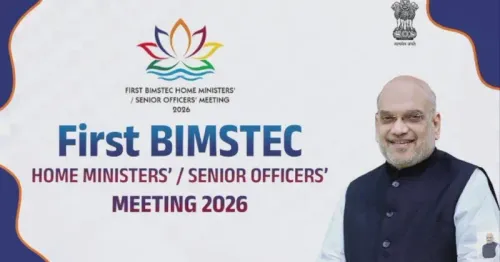
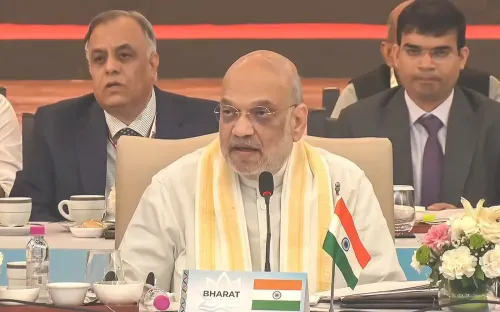
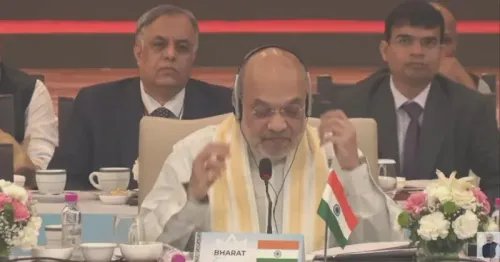
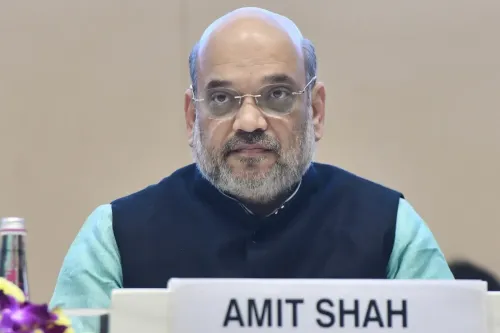
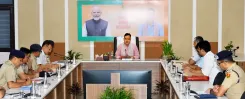
A landmark first — and India used it to send an unambiguous message across the Bay of Bengal. Maharashtra Chief Minister Devendra Fadnavis on Tuesday, 13 October 2026, amplified India's position at the inaugural BIMSTEC Home Ministers' Meeting in New Delhi, where Union Home and Cooperation Minister Amit Shah reaffirmed the country's zero-tolerance policy on terrorism and called for the entire region to deny safe haven to terror networks.
A Historic First for BIMSTEC Security Cooperation
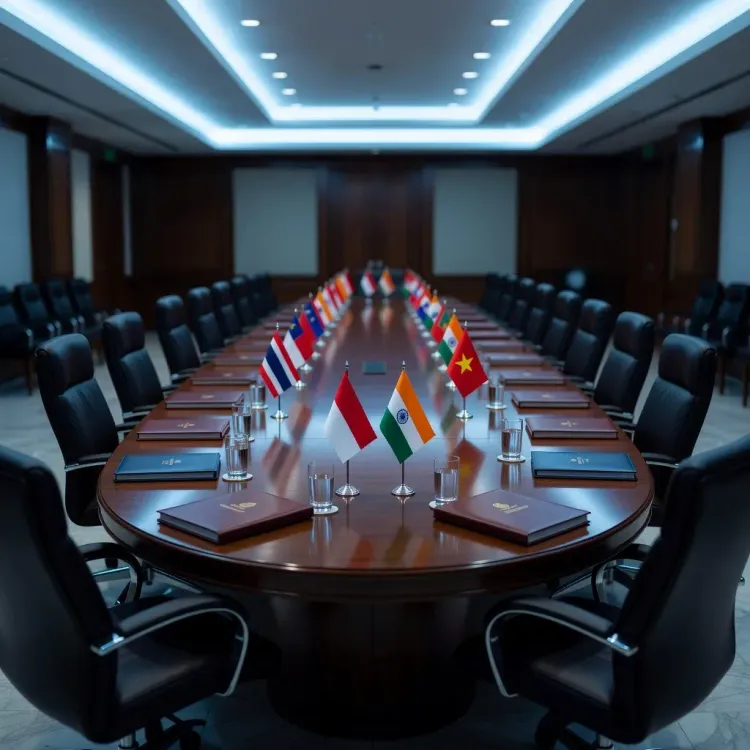
The First BIMSTEC Home Ministers' Meeting marks a significant institutional step for the Bay of Bengal Initiative for Multi-Sectoral Technical and Economic Cooperation — the seven-nation regional body that has existed since 1997 but has long been seen as under-leveraged. Bringing home ministers together for the first time signals that member states are ready to move beyond economic frameworks and confront shared security challenges head-on.
Amit Shah used the platform to press for regional cooperation, mutual trust, and collective action — the three pillars India has consistently championed in multilateral counter-terrorism forums. The core demand: no corner of the BIMSTEC region should be allowed to shelter terrorist infrastructure.
India's Decades-Long Push to Link Security With Regional Integration
India's advocacy for counter-terrorism cooperation within BIMSTEC stretches back to the grouping's founding. Successive governments have used BIMSTEC summits and working groups to push for intelligence sharing and the denial of safe havens — mirroring parallel efforts in forums such as the Shanghai Cooperation Organisation and the SAARC security architecture. The difference now is institutional: a dedicated ministerial forum creates accountability and a mechanism for follow-through.
Prime Minister Narendra Modi's administration has made zero-tolerance for terrorism a consistent foreign-policy signature, threading it through bilateral summits, multilateral addresses, and regional groupings alike. The BIMSTEC Home Ministers' platform extends that doctrine to a neighbourhood that spans South Asia and Southeast Asia — from India, Bangladesh, and Sri Lanka in the west to Myanmar and Thailand in the east.
What the Region Will Watch Next
The real test of the meeting's ambition will be concrete follow-up: formal agreements on intelligence coordination, extradition protocols, or joint task forces. The inaugural nature of the forum means the architecture is still being built. Whether member states translate the ministerial consensus into operational cooperation will determine whether this meeting becomes a turning point — or a well-attended declaration.
Fadnavis's signal-boost, coming from the chief minister of India's most economically significant state, underscores domestic political unity around the counter-terrorism message as India projects regional leadership.
Point of View
New Delhi is effectively pressuring member states to move from aspirational declarations to accountable mechanisms — intelligence sharing, safe-haven denial, and operational coordination. CM Fadnavis amplifying the message domestically signals that the BJP's zero-tolerance doctrine is a pan-party political commitment, not merely a central-government talking point. The durability of this initiative will hinge on whether smaller BIMSTEC members, some of whom have historically been cautious about binding security commitments, sign on to enforceable follow-up agreements.
NationPress
13 Oct 2026
Frequently Asked Questions
What is the BIMSTEC Home Ministers' Meeting?
The First BIMSTEC Home Ministers' Meeting was an inaugural gathering of home ministers from the seven nations of the Bay of Bengal Initiative for Multi-Sectoral Technical and Economic Cooperation, held in New Delhi to discuss regional security, counter-terrorism cooperation, and denial of safe havens to terror groups.
What did Amit Shah say at the BIMSTEC meeting?
Union Home and Cooperation Minister Amit Shah reaffirmed India's zero-tolerance policy on terrorism and called for regional cooperation, mutual trust, and collective action to ensure no part of the BIMSTEC region becomes a safe haven for terrorism.
What is BIMSTEC and which countries are members?
BIMSTEC — the Bay of Bengal Initiative for Multi-Sectoral Technical and Economic Cooperation — is a seven-nation regional body established in 1997. Its members include India, Bangladesh, Sri Lanka, Myanmar, Thailand, Nepal, and Bhutan.
Why did CM Devendra Fadnavis post about the BIMSTEC meeting?
Maharashtra Chief Minister Devendra Fadnavis shared the post to publicly endorse India's counter-terrorism position at the BIMSTEC forum and highlight the Modi government's commitment to regional peace and security.
What could follow from the First BIMSTEC Home Ministers' Meeting?
Analysts will watch for concrete follow-up such as intelligence-coordination agreements, extradition protocols, or the formation of joint counter-terrorism task forces among BIMSTEC member states.