Trump backs Irish unification, sparks UK backlash from Tories and DUP
Synopsis
Trump used a Dublin press conference to endorse Irish unification, calling it inevitable — a remark that immediately united British Conservatives, Ulster Unionists, and Reform UK in rare cross-party opposition. With the Belfast Agreement's consent principle firmly intact and PM Burnham ruling out any referendum, Trump's comments landed as geopolitical noise — but the kind that inflames constitutional sensitivities on all sides.
Key Takeaways
US President Donald Trump said he would 'love to see' Ireland and Northern Ireland unified, speaking in Dublin on 13 September 2026 .
Irish PM Micheal Martin urged calm and noted Trump's view was consistent with his earlier positions.
Conservative leader Kemi Badenoch , DUP leader Gavin Robinson , and Reform UK's Nigel Farage all publicly rejected Trump's remarks on X .
British PM Andy Burnham had already ruled out a unification referendum as 'off the table' in August 2026 .
The 1998 Belfast Agreement stipulates that Northern Ireland can only join a united Ireland through a majority vote of its own people.
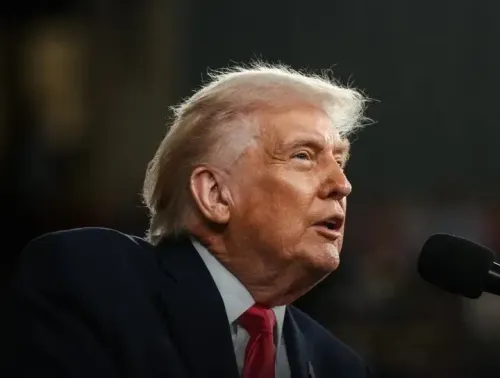
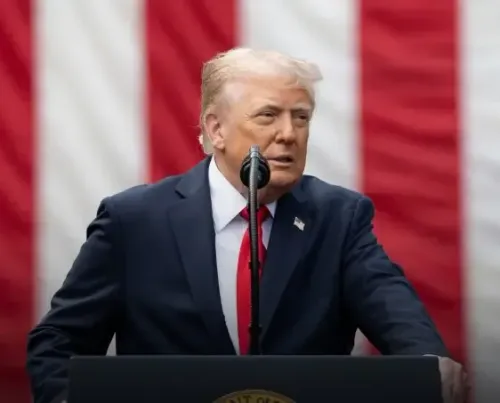
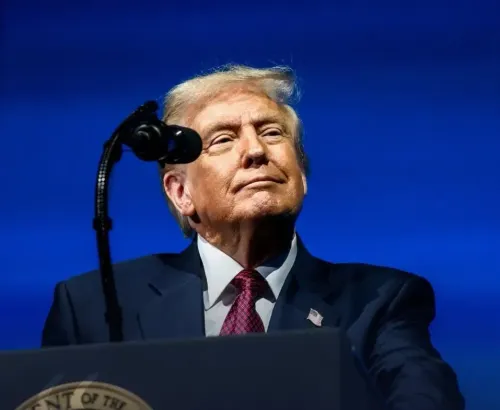
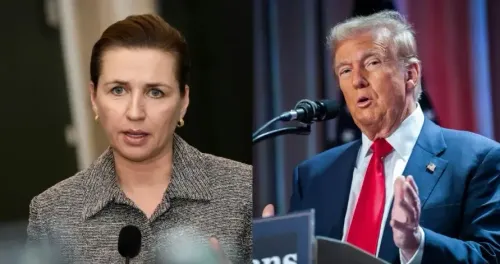
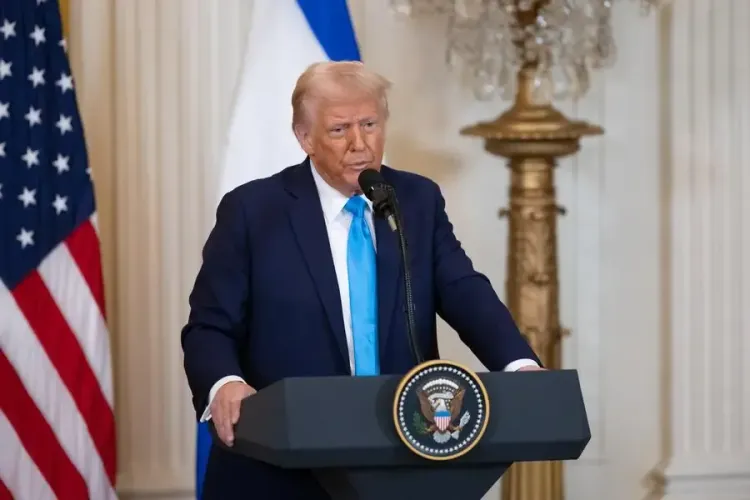
US President Donald Trump triggered sharp political pushback from the United Kingdom on 13 September 2026 after he publicly expressed support for the unification of Ireland and Northern Ireland during a state visit to Dublin. The remarks, made at a joint press conference with Irish Prime Minister Micheal Martin, drew immediate condemnation from British Conservative, Unionist, and Reform UK leaders.
What Trump Said in Dublin
Speaking alongside Prime Minister Martin at a joint press conference, Trump said he would 'love to see' Ireland and Northern Ireland unified. 'I don't want to cause any problems, but I will tell you, I'd love to see it unified,' Trump said, adding that he believed unification would 'happen eventually' and 'may as well happen now.'
Trump later walked back some of the intensity, acknowledging that the issue was controversial and that there was 'no good answer' to the question of Irish unification. Prime Minister Martin urged politicians to 'keep a calm perspective' on the comments, saying no overreaction was warranted and noting that Trump's view was consistent with remarks he had made previously.
UK Political Leaders Push Back Hard
British Conservative Party leader Kemi Badenoch was among the first to respond, writing on X that Trump was 'shooting from the hip as usual, just like he did with Greenland and Canada becoming the 51st state.' The comparison to Trump's earlier territorial remarks was pointed — underscoring a sense in Westminster that the US president's geopolitical commentary was becoming a pattern of destabilising provocation.
Gavin Robinson, leader of the Democratic Unionist Party (DUP), flatly rejected Trump's comments on X, stating: 'Northern Ireland's constitutional future will be decided by the people of Northern Ireland, not by commentary in London, Dublin or Washington.' Robinson added that 'Northern Ireland is part of the United Kingdom because that is the settled democratic will of its people.'
Reform UK leader Nigel Farage — despite his historically warm relationship with Trump — also broke ranks, writing on X that he disagreed with the president and that 'Northern Ireland is a proud and integral part of the United Kingdom.'
Where the UK Government Stands
The British government has maintained that there is currently insufficient support for a referendum on Northern Ireland's constitutional status. British Prime Minister Andy Burnham stated in late August 2026 that a referendum on Irish unification was 'off the table' for now — a position that remains unchanged despite Trump's intervention.
The Legal and Historical Framework
The 1998 Belfast Agreement — also known as the Good Friday Agreement — established the principle of consent as the cornerstone of Northern Ireland's constitutional future. Under the agreement, Northern Ireland can only join a united Ireland if a majority of its people vote in favour of doing so in a border poll. Ireland and Northern Ireland remain separate political entities, governed respectively from Dublin and under the sovereignty of the United Kingdom.
Notably, this is not the first time Trump has waded into sensitive territorial and sovereignty debates during his current term — his earlier remarks about Greenland and Canada drew similar international scrutiny. His latest comments on Irish unification risk straining US-UK relations at a moment when the two governments are navigating a complex post-Brexit trade and security relationship. How London and Dublin manage the diplomatic fallout will be closely watched in the weeks ahead.
Point of View
Spanning Conservatives, the DUP, and even Farage's Reform UK, signals how deeply the unification question cuts. What mainstream coverage may underplay is the timing: these comments land as London and Washington are still calibrating a post-Brexit trade relationship, making any perceived US tilt toward Dublin strategically significant. The Belfast Agreement's consent mechanism is robust, but Trump's repeated willingness to treat constitutional questions as personal opinions risks normalising external pressure on processes that are legally — and historically — internal matters.
NationPress
14 Sept 2026
Frequently Asked Questions
What did Trump say about Irish unification?
During a visit to Dublin on 13 September 2026, Trump said he would 'love to see' Ireland and Northern Ireland unified, adding that he believed unification would 'happen eventually' and 'may as well happen now.' He later acknowledged the issue was controversial and that there was 'no good answer.'
Why did UK politicians oppose Trump's remarks?
Leaders across British political parties — including Conservative leader Kemi Badenoch, DUP leader Gavin Robinson, and Reform UK's Nigel Farage — rejected Trump's comments, arguing that Northern Ireland's constitutional future is a matter for its own people, not external commentary. They reaffirmed that Northern Ireland remains part of the UK by democratic choice.
What is the current UK government's position on a unification referendum?
British Prime Minister Andy Burnham stated in late August 2026 that a referendum on Irish unification is 'off the table' for now, citing insufficient public support. The government's position has not changed following Trump's remarks.
What does the Belfast Agreement say about Northern Ireland's future?
The 1998 Belfast Agreement established the principle of consent, meaning Northern Ireland can only become part of a united Ireland if a majority of its people vote in favour of such a change in a border poll. Ireland and Northern Ireland currently remain separate political entities.
How did Irish PM Micheal Martin respond to Trump's comments?
Martin urged politicians to 'keep a calm perspective' on Trump's remarks, saying there was no need for an overreaction. He noted that Trump's view on Irish unification was consistent with positions the US president had expressed previously.