Trump warns Iran of more strikes, eyes naval blockade after Hormuz attacks
Synopsis
At the NATO summit in Ankara, Trump declared nuclear diplomacy with Iran effectively 'over', warned of imminent new strikes, and raised the prospect of reimposing a naval blockade — all while leaving envoys Witkoff and Kushner technically in play. The trigger: Iran allegedly firing rockets at ships in the Strait of Hormuz hours after the US held fire during Iranian funeral proceedings.
Key Takeaways
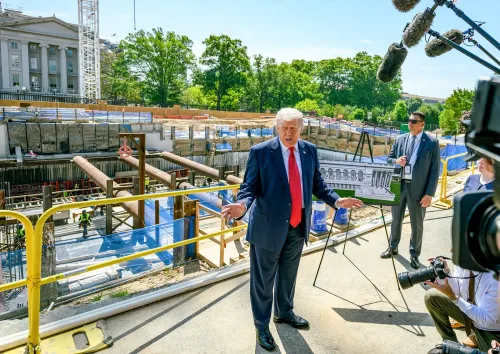
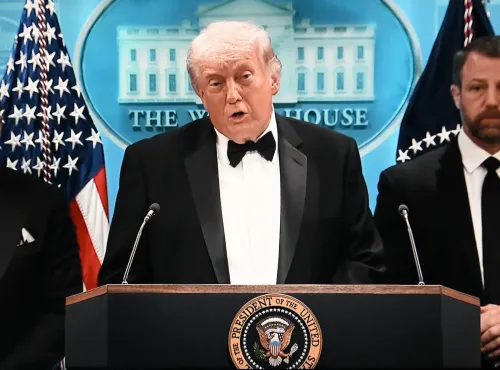
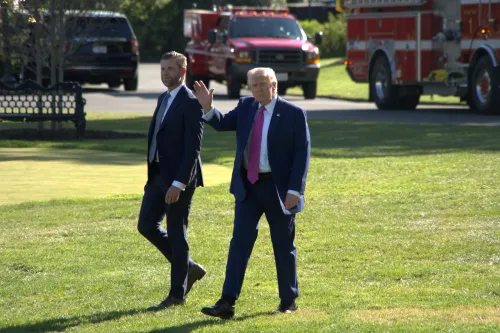
US President Donald Trump warned Iran of further military strikes and a possible naval blockade on 8 July from the NATO summit in Ankara .
Trump said US forces struck Iranian targets ' 20 times tougher ' after Iran allegedly fired rockets at ships in the Strait of Hormuz .
Defence Secretary Pete Hegseth confirmed strikes on small naval craft, drone storage facilities, radar sites, and coastal defence installations.
Trump ordered forces to hit targets on Kharg Island — Iran's main oil export terminal — while sparing oil pipelines.
Trump declared nuclear negotiations ' over ' but stopped short of formally ending diplomacy, allowing envoys Steve Witkoff and Jared Kushner to continue talks.
NATO Secretary General Mark Rutte backed the US strikes as 'absolutely necessary' and called degrading Iran's nuclear capabilities 'crucial for the whole world.'
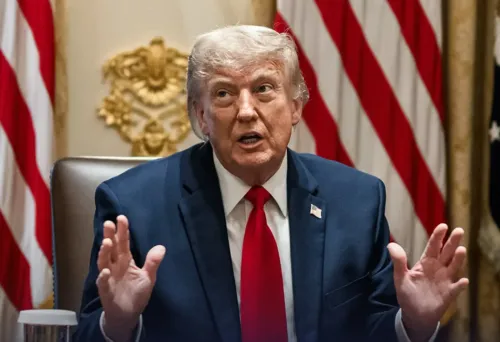
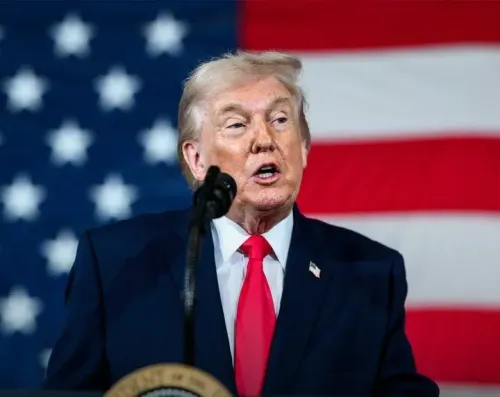
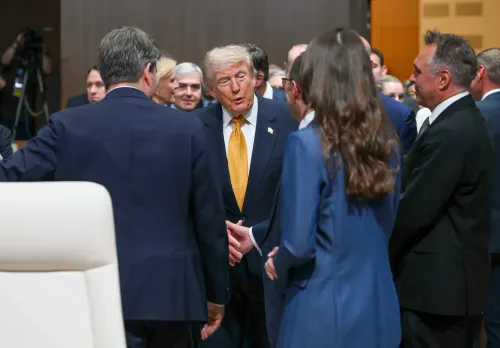
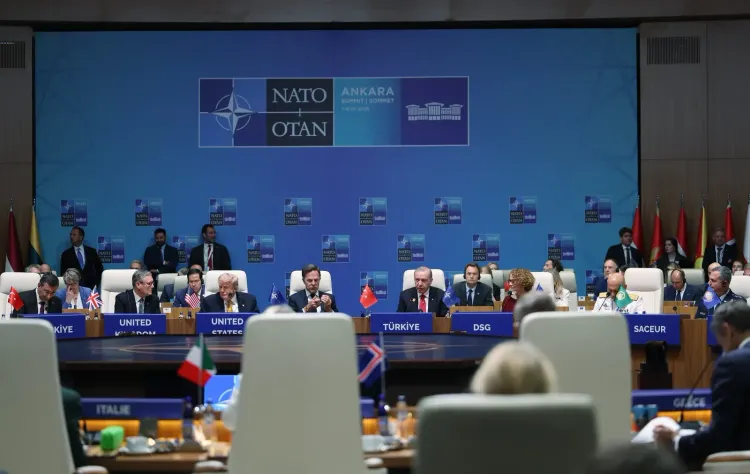
US President Donald Trump on Wednesday, 8 July warned Iran that the United States was prepared to launch additional military strikes and potentially reimpose a naval blockade if Tehran continued attacking commercial shipping, while declaring that he had effectively lost faith in ongoing nuclear negotiations — even as he stopped short of formally ending diplomacy. The warnings came from the sidelines of the NATO summit in Ankara, where Trump appeared alongside NATO Secretary General Mark Rutte and later Ukrainian President Volodymyr Zelensky.
The Trigger: Rockets at Ships in the Strait of Hormuz
Trump said Iran had resumed hostile actions after the US had voluntarily paused military operations out of respect for Iranian funeral proceedings. He accused Tehran of exploiting that pause almost immediately.
'They said to us, please don't kill us during the funeral. I said I won't. We didn't. In fact, we made it safe for them, actually,' Trump said. He then alleged that Iran launched rockets at ships the following day.
'They started shooting rockets at ships yesterday,' he said. 'So we hit them very hard last night, very hard. I would say 20 to one, 20 times tougher. And I told them, every time you hit, we hit.'
Trump also disclosed that he had directed the US military to expand its targeting scope during the latest operation, ordering strikes on Kharg Island — Iran's principal oil export terminal — while instructing forces to spare oil pipelines. 'I told the military to don't hit the pipes but hit everything else,' he said.
What US Forces Targeted
Defence Secretary Pete Hegseth said the overnight strikes focused on Iranian military assets being used to threaten commercial shipping through the Strait of Hormuz. He described the targets as small naval craft, underground drone and missile storage facilities, coastal defence installations, radar sites, and surveillance infrastructure.
'Last night... a lot of small craft that they were trying to harass shipping with, so that was a big part of what we targeted,' Hegseth said. He added that further strikes remained on the table: 'Tonight, if we need to on your order, Mr President, we will hit even more.'
Blockade Back on the Table
Trump suggested the US could reinstate a maritime blockade targeting Iran, a measure that would have sweeping consequences for global energy markets given Iran's role as a major oil exporter. 'We put down the blockade, we may put it back, the blockade, and it'll only be a blockade for Iran,' he said. No formal decision on reimposing the blockade was announced.
Diplomacy 'Over' — But Envoys Can Still Talk
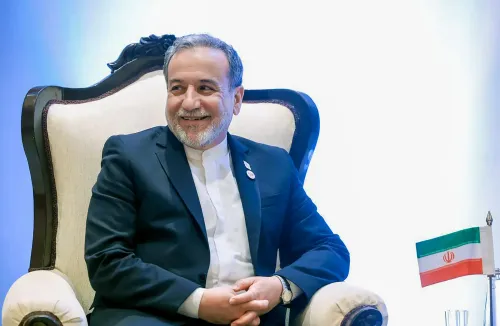
Trump struck a deeply pessimistic tone on the prospect of reviving nuclear negotiations, saying he saw little value in further engagement with Iranian leadership. 'To me, I think it's over. I don't want to deal with them anymore,' he said when asked whether the ceasefire and memorandum of understanding with Iran remained in effect.
He accused Iranian officials of negotiating in bad faith, alleging they publicly denied discussing nuclear terms that had reportedly been agreed upon in private. 'They're liars. We make a deal... Everyone's agreed. No nuclear weapon. We make a deal. They go outside, talk to the press, they say, we never even talked about it,' Trump said.
Despite the rhetoric, Trump declined to formally shut down diplomatic channels, saying his Middle East envoys — Steve Witkoff and Jared Kushner — could continue talks if they chose. 'I'll let our wonderful negotiators keep talking if they want, but I don't see it,' he said.
NATO Backing and the Nuclear Objective
Standing alongside Rutte earlier in the day, Trump described Iran as 'the number one state sponsor of terror' and framed the military campaign as part of a broader objective to prevent Tehran from acquiring nuclear weapons. 'We're gonna de-nuke it. We're not gonna let them, because they're crazy and they can't have a nuclear weapon,' he said.
Rutte offered unambiguous support for the US action. 'I think what you did last night was absolutely necessary. It was a very strong response,' the NATO Secretary General said, adding that degrading Iran's nuclear and ballistic missile capabilities was 'crucial for Israel, the region, for Europe... for the whole world.'
With Trump signalling further strikes are likely and a potential blockade under consideration, the standoff between Washington and Tehran appears to be entering a sharper and more unpredictable phase.
Point of View
Not a clean break. The more consequential signal is the targeting of Kharg Island infrastructure: striking Iran's primary oil export hub, even with pipeline exemptions, edges the conflict toward economic warfare territory that previous administrations carefully avoided. NATO's unequivocal endorsement of the strikes is also notable — it signals a broader Western alignment with the US posture that Tehran cannot easily dismiss as a bilateral dispute.
NationPress
7 Oct 2026
Frequently Asked Questions
Why did the US strike Iran again on 8 July 2025?
The US struck Iranian targets on 8 July after Iran allegedly fired rockets at commercial ships in the Strait of Hormuz, shortly after the US had voluntarily paused military operations during Iranian funeral proceedings. Trump said the response was roughly 20 times more forceful than the Iranian provocation.
What did US forces target in the latest Iran strikes?
According to Defence Secretary Pete Hegseth, US forces targeted small naval craft used to harass shipping, underground drone and missile storage facilities, coastal defence sites, radar installations, and surveillance infrastructure in the Strait of Hormuz region. Trump also directed strikes on Kharg Island, Iran's principal oil export terminal, while ordering pipelines to be spared.
Is the US considering a naval blockade of Iran?
Trump raised the possibility of reimposing a naval blockade targeting Iran, saying 'we may put it back.' No formal decision has been announced, but the statement signals the option remains active if Iranian attacks on shipping continue.
Are US-Iran nuclear negotiations still ongoing?
Trump declared the negotiations effectively 'over,' saying he no longer wanted to engage with Iranian leadership and accusing them of bad faith. However, he stopped short of formally ending diplomacy, stating that envoys Steve Witkoff and Jared Kushner could continue talks if they chose.
What was NATO's position on the US strikes against Iran?
NATO Secretary General Mark Rutte publicly backed the US military action at the Ankara summit, calling it 'absolutely necessary' and a 'very strong response.' Rutte added that degrading Iran's nuclear and ballistic missile capabilities was crucial for Israel, Europe, and the broader international community.