UN rights body condemns Taliban decree legitimising child marriage in Afghanistan
Synopsis
The UN's top child rights body has called out the Taliban's latest decree — one that lets girls be married off at puberty and treats their silence as consent — as a grave violation of international law. It is the sharpest formal rebuke yet, and it connects the marriage law to a broader Taliban campaign that has already locked millions of Afghan girls out of education.
Key Takeaways
The UN Committee on the Rights of the Child (CRC) condemned a Taliban decree on 2 June that legitimises child marriage in Afghanistan .
The 14 May Taliban law permits marriage for girls from puberty and treats a girl's silence as consent.
The CRC — comprising 18 independent experts — called the decree a 'grave and systematic violation of international human rights law.' The Committee linked the marriage law to a broader Taliban pattern of discrimination, including a ban on girls' secondary and higher education.
The CRC has demanded the immediate repeal of the decree and the restoration of girls' rights to education and full societal participation.
The UN Committee on the Rights of the Child (CRC) has strongly condemned a new Taliban decree in Afghanistan that legitimises child marriage and treats a girl's silence after puberty as consent to marriage, calling it a 'grave and systematic violation of international human rights law'. The condemnation, issued on 2 June from Geneva, follows a 14 May law promulgated by Taliban authorities that permits marriage for girls upon reaching puberty.
What the Taliban Decree Says
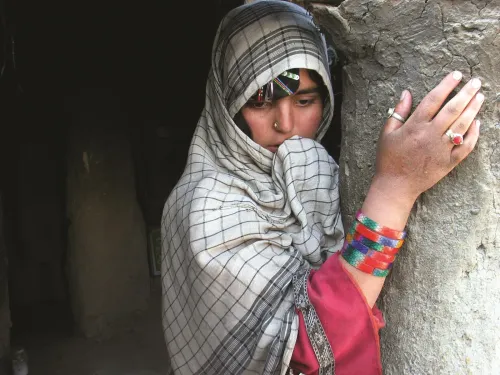
The 14 May Taliban law formally legitimises marriage for girls from the onset of puberty and, critically, treats a girl's silence after puberty as her consent to marriage. The CRC — composed of 18 independent child rights experts — described this provision as wholly incompatible with the UN Convention on the Rights of the Child. 'Puberty cannot be considered a basis for adulthood or legal capacity to marry,' the Committee stated.
The Committee's Core Findings
The CRC was unequivocal in its assessment: 'Child marriage, where at least one party is under 18, constitutes a harmful practice and is a form of forced marriage, given that children inherently lack the capacity to give full, free and informed consent to marriage.' The experts further warned that any legal framework normalising or facilitating child marriage violates children's rights, undermines their 'inherent dignity', and strips them of their 'autonomy and future opportunities'.
The Committee also highlighted the severe consequences for girls, stating that child marriage 'exposes girls to heightened risks of violence, exploitation, early and forced pregnancy, interrupted education, and long-term physical and psychological harm.'
Part of a Broader Pattern of Discrimination
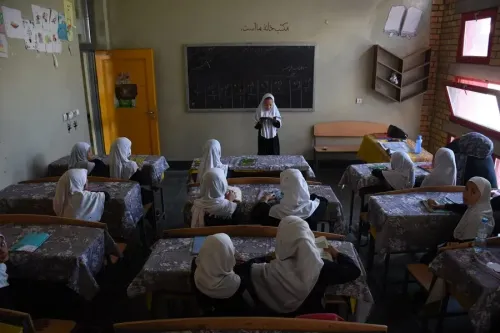
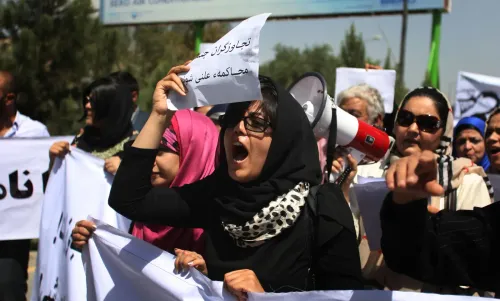
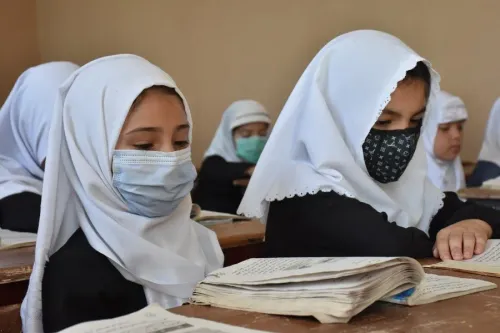
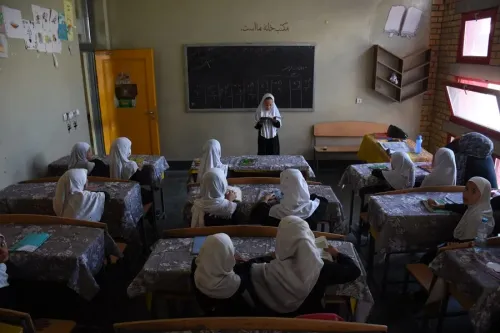
The experts expressed serious concern that the new marriage law is not an isolated measure but part of a wider, systematic pattern of discriminatory Taliban policies. This includes a ban on girls' secondary and higher education across Afghanistan. 'These measures have deprived millions of Afghan girls of their fundamental rights, weakened their future economic and social participation, and deepened poverty and inequality across the country,' the Committee said. Notably, this comes amid mounting global criticism of Taliban governance since the group returned to power in 2021.
What the CRC Is Demanding
The UN Committee on the Rights of the Child has called on Taliban authorities to immediately repeal all measures that violate children's rights and to unequivocally prohibit child marriage. It has also urged the authorities to restore girls' rights to education, protection, equality, and full participation in society — in line with Afghanistan's obligations under international human rights law, the Child Rights Convention, and its Optional Protocols.
With no sign of the Taliban reversing course, international human rights bodies are expected to escalate pressure through multilateral forums in the weeks ahead.
Point of View
While morally significant, carries no enforcement mechanism; the Taliban has shown no inclination to honour international treaty obligations it never chose to uphold. What this moment reveals is the limits of UN soft power: strongly worded statements accumulate while millions of Afghan girls remain locked out of classrooms and, now, at risk of being married off before they reach adulthood. The international community faces a credibility test — whether condemnation without consequence can produce any change at all.
NationPress
20 Sept 2026
Frequently Asked Questions
What does the Taliban's new child marriage decree say?
The Taliban's 14 May law legitimises marriage for girls upon reaching puberty and treats a girl's silence after puberty as her consent to marriage. The UN Committee on the Rights of the Child has described this as wholly incompatible with the UN Convention on the Rights of the Child.
Why has the UN condemned the Taliban's child marriage law?
The UN Committee on the Rights of the Child condemned the decree because children inherently lack the capacity to give full, free, and informed consent to marriage, making any such union a form of forced marriage. The Committee also flagged the severe risks child marriage poses, including violence, forced pregnancy, and interrupted education.
Who issued the condemnation and what authority do they have?
The condemnation was issued by the UN Committee on the Rights of the Child, a body of 18 independent child rights experts that monitors compliance with the UN Convention on the Rights of the Child. While the Committee can issue authoritative findings, it does not have binding enforcement powers over Taliban authorities.
How does this decree fit into the Taliban's broader policies toward women and girls?
According to the CRC, the child marriage law is part of a broader pattern of discriminatory Taliban measures, most notably a ban on girls' secondary and higher education. Together, these policies have reportedly deprived millions of Afghan girls of fundamental rights and deepened poverty and inequality in the country.
What is the UN demanding the Taliban do?
The UN Committee on the Rights of the Child has called on Taliban authorities to immediately repeal all measures violating children's rights, unequivocally prohibit child marriage, and restore girls' rights to education, protection, and equal participation in society under Afghanistan's international human rights obligations.