US diesel export ban could push UK inflation to 5% as pump prices hit record
Synopsis
A potential US diesel export ban could push UK inflation close to 5% — adding to already-forecast energy bill surges in January 2027 and a looming El Niño food inflation risk. With pump prices above 2 pounds a litre for the first time ever and trucking demand inelastic, British consumers face a compounding winter crunch that could force the Bank of England's hand on rates.
Key Takeaways
A potential US diesel export ban could push UK inflation close to 5 per cent , economists have warned.
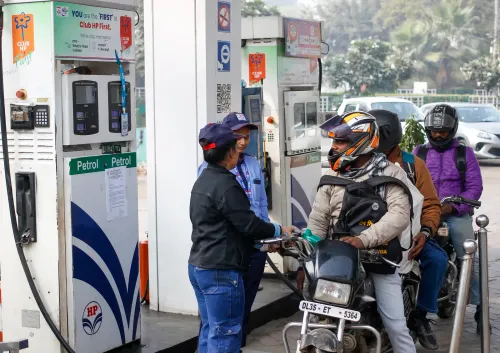
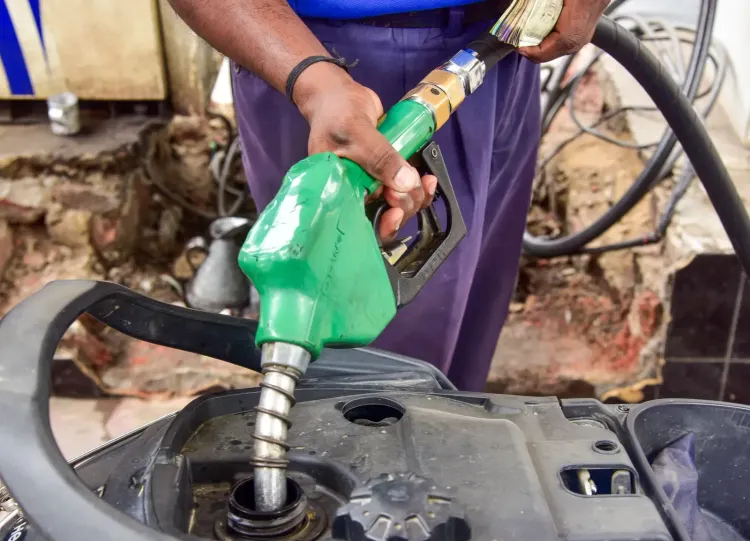
Average UK diesel pump prices have crossed 2 pounds per litre for the first time; a prolonged ban could push them to 3 pounds .
G7 nations plan to release up to 100 million barrels of diesel and oil over the next four months to ease market strains.
RSM UK chief economist Thomas Pugh estimates a prolonged ban would add 0.5 per cent to UK inflation through supply-chain pass-through effects.
UK gas and electricity bills are separately forecast to surge in January 2027 , potentially pushing inflation above 4 per cent before any diesel shock is added.
Bank of England officials also cite El Niño food-inflation risk as an additional pressure on the outlook.
A potential US ban on diesel exports could push United Kingdom inflation close to 5 per cent, economists have warned, after average pump prices crossed 2 pounds per litre (approximately $2.7) for the first time on record. The warning underscores how a geopolitically driven energy disruption could compound an already fragile inflation outlook for British households heading into winter.
The Trigger: US Export Ban Threat
The US administration has signalled it could impose a ban on diesel exports unless European nations release stockpiles to help control surging energy prices. For the UK, which relies heavily on imports to meet domestic diesel demand, such a ban would land with outsized force. Forecasters cited in multiple reports warned that a prolonged ban could push pump prices to as high as 3 pounds per litre and add up to one percentage point to UK inflation — directly strengthening the case for further Bank of England (BOE) interest-rate hikes.
G7 Response and Market Reaction
In a coordinated response, Group of Seven (G7) nations are reportedly planning to release up to 100 million barrels of diesel and oil over the next four months to ease market strains. The announcement sent European diesel and Brent crude futures lower, offering some near-term relief. However, analysts caution that a strategic release of stockpiles is not a structural fix if the export ban is enacted.
What Economists Are Warning
Thomas Pugh, chief economist at RSM UK, said a prolonged US diesel export ban could add 0.5 per cent to UK inflation, factoring in indirect effects as higher fuel costs filter rapidly down supply chains to consumers. Pugh cautioned that the UK would struggle acutely to adjust to losing 20 per cent of diesel supply overnight, noting that 'diesel is used in all industry and trucking,' and that firms could not avoid passing those costs on to customers. The RAC, Britain's leading motoring organisation, confirmed that average diesel prices have now crossed 2 pounds per litre — meaning filling a standard 55-litre tank now costs 32 pounds more than before the Middle East conflict began.
Winter Outlook: A Confluence of Pressures
The diesel risk arrives at a particularly precarious moment for UK consumers. Gas and electricity bills are forecast to surge in January 2027, potentially pushing inflation above 4 per cent on their own. BOE officials are separately monitoring the risk that a supersized El Niño could disrupt global weather patterns and harvests of key crops, triggering a fresh wave of food inflation. Taken together, these pressures point to a difficult winter for both households and policymakers. The demand side offers little buffer: consumption of diesel from trains and trucks is unlikely to fall significantly even if prices climb sharply, meaning supply disruptions translate more directly into inflation than in other sectors.
What Happens Next
Much depends on whether the US administration follows through on the export ban and whether European nations move quickly to release adequate stockpiles. The BOE's rate-setting committee will be watching every inflation print closely, with markets already pricing in additional hikes if the energy shock materialises at the scale that economists fear. A UK inflation rate approaching 5 per cent would mark a significant setback for the central bank's efforts to bring price growth sustainably back to its 2 per cent target.
Point of View
Because it tightens markets and firms up futures prices. What mainstream coverage underplays is the compounding dynamic: diesel shock plus January energy-bill surge plus El Niño food risk is not three separate stories — it is one convergent winter crunch. The Bank of England, having already hiked aggressively, faces the grim prospect of tightening further into a slowing economy, with demand-side tools that are ill-suited to a supply-driven inflation spike.
NationPress
3 Oct 2026
Frequently Asked Questions
Why could a US diesel export ban push UK inflation close to 5%?
The UK relies heavily on diesel imports, so a US export ban would sharply reduce supply and push pump prices higher — potentially to 3 pounds per litre. Economists estimate the direct and indirect effects, including higher transport and logistics costs filtering through supply chains, could add up to one percentage point to UK inflation, taking the rate close to 5 per cent.
What has the G7 announced to counter the diesel supply crunch?
G7 nations are reportedly planning to release up to 100 million barrels of diesel and oil over the next four months to ease market strains. The announcement sent European diesel and Brent crude futures lower, but analysts warn it is not a structural solution if a US export ban is enacted.
How much more are UK drivers paying to fill up their tanks now?
Average UK diesel prices have crossed 2 pounds per litre for the first time, meaning filling a standard 55-litre tank now costs 32 pounds more than before the Middle East conflict began, according to the RAC.
What other inflation pressures is the UK facing this winter?
Beyond diesel, UK gas and electricity bills are forecast to surge in January 2027, which could push inflation above 4 per cent on its own. Bank of England officials are also monitoring the risk of a supersized El Niño disrupting global crop harvests and triggering a fresh wave of food price inflation.
What does the diesel supply shock mean for Bank of England policy?
Forecasters say a prolonged diesel price surge would strengthen the case for further Bank of England interest-rate hikes, as higher fuel costs feed rapidly into broader consumer price inflation. The BOE is already under pressure from multiple inflation sources and would face a difficult trade-off between tightening further and protecting economic growth.