US House passes Sunshine Protection Act to make daylight saving time permanent
Synopsis
The US House has done what the Senate did in 2022 but couldn't finish — passed the Sunshine Protection Act to make daylight saving time permanent. With 19 states already on standby and only 12% of Americans wanting to keep changing clocks, the political momentum is real. The Senate is now the last hurdle before Americans potentially set their clocks for the final time.
Key Takeaways
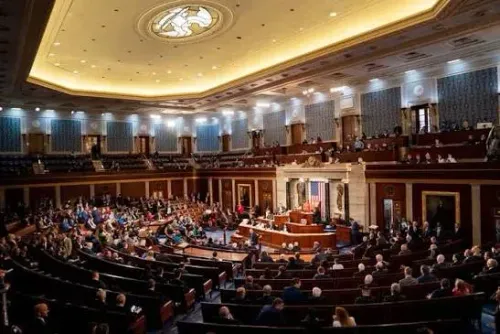
The US House of Representatives passed the Sunshine Protection Act on 15 July , voting to make daylight saving time permanent nationwide.
The bill now goes to the Senate ; if passed, it proceeds to President Donald Trump for signature.
The legislation cleared the House Energy and Commerce Committee by 48-1 before the full House vote.
Arizona and Hawaii , which already observe permanent standard time, may continue to do so under the bill.
19 states have previously voted to adopt permanent daylight saving time, pending a change in federal law.
Only 12 per cent of Americans favour the current twice-yearly clock change, according to data cited by Democratic lawmakers.
The US House of Representatives on 15 July passed the Sunshine Protection Act, bipartisan legislation that would permanently establish daylight saving time across the United States, moving the country a significant step closer to ending the twice-yearly ritual of clock changes. The bill now heads to the Senate for consideration, and if cleared there, will be sent to President Donald Trump for his signature.
What the Legislation Does
The Sunshine Protection Act would lock the United States onto permanent daylight saving time, eliminating the current practice of advancing clocks by one hour each spring and reverting them each autumn. Under existing federal law, daylight saving time begins on the second Sunday in March and ends on the first Sunday in November.
States that have already opted out of observing daylight saving time — namely Arizona and Hawaii — would retain the right to remain on permanent standard time. Crucially, no state may independently adopt permanent daylight saving time without a change in federal law, which is precisely what this bill seeks to provide.
Key Voices in the House Debate
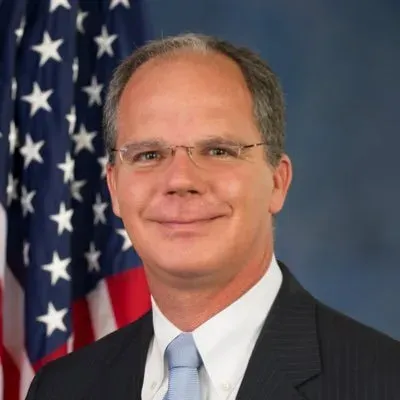
House Energy and Commerce Committee Chairman Brett Guthrie framed the vote as a direct response to constituent pressure. 'Millions of Americans across the country have asked Congress to reevaluate the current system of changing our clocks twice a year,' Guthrie said. He added that 'year-round daylight saving time boosts economic activity and improves public safety.'
Republican Congressman Gus Bilirakis of Florida called the twice-yearly clock change 'outdated and disruptive,' saying that permanent daylight saving time would give Americans 'greater consistency, more usable daylight in the evening, and the certainty that comes with ending the twice-yearly clock changes.' His summary was pointed: 'Americans are ready to ditch the switch.'
The bill also drew strong Democratic backing. Frank Pallone Jr., the ranking Democrat on the Energy and Commerce Committee, cited polling indicating that only 12 per cent of Americans preferred the current system of changing clocks twice a year.
The Public Health and Safety Case
Pallone highlighted research linking clock changes to disrupted sleep — particularly among young children — and to elevated rates of heart attacks and strokes in the days immediately following the spring transition. 'Stopping the twice-yearly time change benefits the health and well-being of all Americans,' he said.
He also referenced findings from the Brookings Institution showing that criminal incidents declined during the additional hour of evening sunlight that follows the springtime change. Notably, 19 states have already voted to adopt permanent daylight saving time contingent on a change in federal law.
Legislative Path and Background
The proposal had previously been incorporated into the Motor Vehicle Modernization Act and cleared the House Energy and Commerce Committee by a decisive vote of 48-1. Supporters argue that permanent evening daylight would encourage outdoor exercise, improve road safety, and benefit local businesses and the tourism sector.
The Senate remains the critical hurdle. A similar measure passed the Senate in 2022 but stalled in the House at the time, making this House passage a reversal of that earlier dynamic. Whether the Senate acts swiftly — or allows the bill to lapse again — will determine whether Americans set their clocks for the last time as early as next year.
Point of View
But the Senate graveyard is where similar bills have died before — most notably in 2022, when the Senate moved first and the House stalled. The political conditions have now flipped, which is progress, but not a guarantee. The deeper tension the bill does not resolve is scientific: sleep researchers and chronobiologists have long argued that permanent standard time — not permanent daylight saving time — is the healthier default, because it better aligns morning light exposure with the body clock. Congress is responding to constituent preference and business lobbying, not necessarily to the weight of the medical evidence. That gap between popular demand and public health science deserves more scrutiny than it has received in this debate.
NationPress
13 Oct 2026
Frequently Asked Questions
What is the Sunshine Protection Act passed by the US House?
The Sunshine Protection Act is bipartisan legislation passed by the US House of Representatives on 15 July that would make daylight saving time permanent across the United States, ending the current practice of changing clocks twice a year. It now requires Senate approval and the President's signature to become law.
What happens to the bill next?
The Sunshine Protection Act moves to the US Senate for consideration. If the Senate passes it, the bill will be sent to President Donald Trump for his signature before it can become federal law.
Which states are exempt from the new rule?
States that already observe permanent standard time — currently Arizona and Hawaii — would be allowed to remain on standard time under the bill. No state can independently adopt permanent daylight saving time without the federal law change this bill would provide.
Why do supporters say permanent daylight saving time is beneficial?
Supporters argue that locking clocks to daylight saving time would provide more usable evening sunlight, improve road safety, reduce criminal incidents, encourage outdoor activity, and boost local businesses and tourism. Democratic lawmakers also cited research linking the twice-yearly clock change to disrupted sleep and higher rates of heart attacks and strokes.
Has a similar bill been attempted before?
Yes. The Senate passed a version of the Sunshine Protection Act in 2022, but it stalled in the House at the time. The current bill reverses that dynamic, with the House acting first and the Senate yet to vote.